What Is Banflix and Why Has It Been Banned?
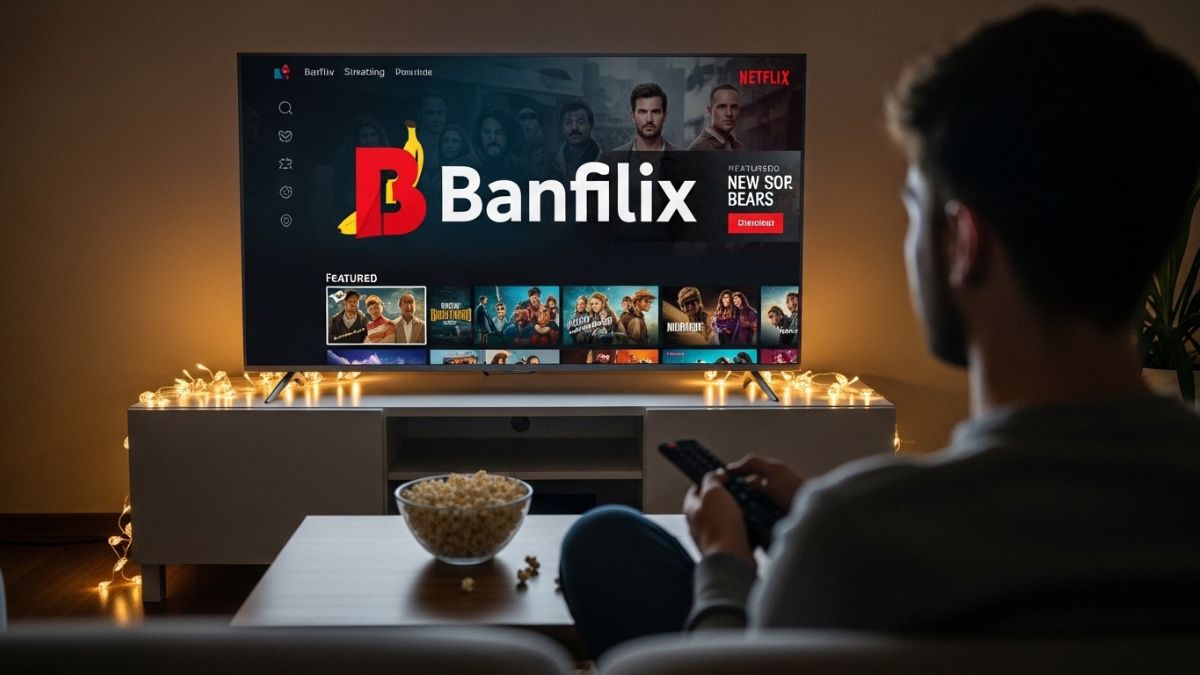
Banflix has emerged as a controversial digital streaming platform, attracting millions of users seeking unrestricted access to movies and series. While it gained traction rapidly, the Banflix ban has raised serious legal, ethical, and technological concerns that cannot be ignored. We have seen platforms rise quickly before, but few have triggered such swift regulatory attention.
At its core, Banflix positioned itself as a free alternative to subscription based streaming services. It offered premium content without licensing agreements, which immediately placed it under scrutiny. Regulatory authorities across several jurisdictions began investigating copyright violations, intellectual property breaches, and unauthorized content distribution. These investigations resulted in enforcement actions that ultimately led to the Banflix ban in multiple regions.
For readers unfamiliar with digital copyright enforcement, the U.S. Copyright Office provides an overview of how copyright protections work and why unauthorized distribution is illegal: https://www.copyright.gov/help/faq/faq-general.html. The legal framework surrounding streaming platforms is not flexible, and violations often leads to swift consequences.
Many users felt shocked, even frustrated. Some relied on Banflix daily, unaware of the broader implications. Others suspected the risks but continued using it because it was convenient and free. That tension between convenience and compliance is where the Banflix controversy lives.
The Legal Foundations Behind the Banflix Ban
Copyright Infringement and Intellectual Property Violations
The central issue behind the Banflix ban is copyright infringement. Streaming copyrighted content without authorization violates both domestic and international intellectual property laws. Content creators, production studios, and distributors invest significant financial resources into their projects. When platforms distribute that content without payment or licensing agreements, the economic damage is real.
Organizations such as the World Intellectual Property Organization outline global standards for copyright enforcement: https://www.wipo.int/copyright/en/. These standards influence national regulations, meaning platforms operating internationally faces compounded risks.
Banflix reportedly hosted thousands of titles without obtaining distribution rights. Even if some content was user uploaded, platform operators can still be held liable. The legal concept of contributory infringement often applies in such cases. It does not matter if the operator claims ignorance, courts frequently determine that willful blindness is not a defense.
Government Enforcement and ISP Restrictions
Governments responded to Banflix through court orders, domain seizures, and internet service provider blocking measures. ISP level restrictions prevent users from accessing specific domains. In some cases, mirror sites appeared within days, but enforcement agencies continued to pursue shutdowns.
The Federal Trade Commission also outlines consumer protection considerations for online platforms: https://www.ftc.gov/business-guidance. When services misrepresent legality or fail to disclose risks, regulators take notice.
The Banflix ban was not isolated. It reflects a broader global pattern where authorities tighten oversight on digital streaming ecosystems. We have observed similar patterns in past cases involving piracy networks. The difference here is scale. Banflix grew too fast, and its visibility made it a target.
The Impact of the Banflix Ban on Users
Loss of Access and Data Concerns
When Banflix was banned, users lost immediate access to their saved watchlists and accounts. Many individuals had created profiles, stored preferences, and invested time curating content. The sudden disappearance created confusion and anger.
More concerning is data privacy. Unregulated platforms may not follow standard security practices. If Banflix collected user emails or payment details, even if payments was optional, those records could be vulnerable. The Federal Communications Commission discusses consumer privacy considerations online at https://www.fcc.gov/general/privacy-act-information.
We must acknowledge that many users never considered these risks. They assumed that because the website functioned smoothly, it was legitimate. That assumption is understandable, but it was also risky.
Emotional and Cultural Reactions
For some communities, Banflix represented access to international films that were otherwise difficult to find. The ban felt like a door closing. People expressed disappointment across social media platforms. They did not just lose a website, they lost a daily routine.
There is a human element here that legal documents does not capture. Families who watched shows together suddenly found broken links. Students looking for documentaries for class projects had to search elsewhere. Frustration grew, and some users tried to bypass restrictions using VPNs. That behavior, however, can introduce additional legal and security complications.
The Broader Industry Impact
Streaming Market Adjustments
The Banflix ban sent a message to both legitimate and illegitimate streaming platforms. Legal services may benefit from reduced competition. Subscription platforms saw temporary traffic increases in regions where Banflix was heavily used. This shift highlights how piracy alternatives can distort market demand.
Content creators and production houses also experienced relief. When unauthorized distribution decreases, revenue channels stabilizes. While it is difficult to quantify exact losses attributed to Banflix, industry analysts agree that piracy has measurable financial impact.
Regulatory Precedent and Future Crackdowns
Banflix may serve as precedent for future enforcement actions. Regulators demonstrated that coordinated legal strategies can dismantle large scale platforms. This could deter similar startups from launching without proper licensing.
However, enforcement is reactive by nature. As one platform closes, another sometimes appears. The digital ecosystem is constantly changing, and regulators must adapt. Policymakers are debating stronger cross border cooperation mechanisms. Those discussions are ongoing and sometimes politically sensitive.
Risks of Accessing Banflix After the Ban
Despite official restrictions, some mirror domains claiming to be Banflix continue to surface. Users should approach these with caution. Unverified websites can host malware, phishing schemes, or intrusive advertising networks.
Cybersecurity experts frequently warn about illegal streaming sites distributing malicious software. Downloading files or even clicking certain pop ups could compromise personal devices. A single careless click can result in stolen passwords or financial loss.
We must be honest about this reality. Free content often carries hidden costs. When a platform operates outside regulatory frameworks, user protections are limited or nonexistent.
Ethical Considerations Surrounding Banflix
There is also an ethical dimension to consider. Artists, writers, directors, and crew members depend on legitimate distribution channels for income. When content is consumed through unauthorized platforms, compensation structures are disrupted.
Many users did not intend harm. They simply wanted affordable access. This raises broader questions about pricing models and content accessibility. If legal streaming options are fragmented across multiple subscriptions, consumers may feel pushed toward alternatives.
The Banflix ban forces a necessary conversation about balance. How can industries protect intellectual property while also addressing affordability concerns? The answer is complex, and no single policy will resolve it.
What Comes Next for Former Banflix Users?
Former Banflix users should evaluate legitimate streaming services that offer free trials or ad supported tiers. Many platforms now provide flexible options, making legal access more attainable. Researching available libraries and comparing costs can reduce frustration.
We recommend reviewing official legal resources before attempting to access banned platforms. Ignorance of the law rarely protects individuals from consequences. Users must weigh convenience against potential legal and cybersecurity risks.
The Banflix story is not just about one website. It reflects ongoing tension between digital innovation, consumer demand, and legal compliance. When platforms disregard licensing obligations, enforcement is inevitable. The consequences ripple outward, affecting users, creators, and the broader streaming ecosystem.
We recognize that change can feel abrupt and unfair. Still, sustainable digital ecosystems depend on lawful operations. The Banflix ban reminds us that short term convenience does not outweigh long term accountability.