
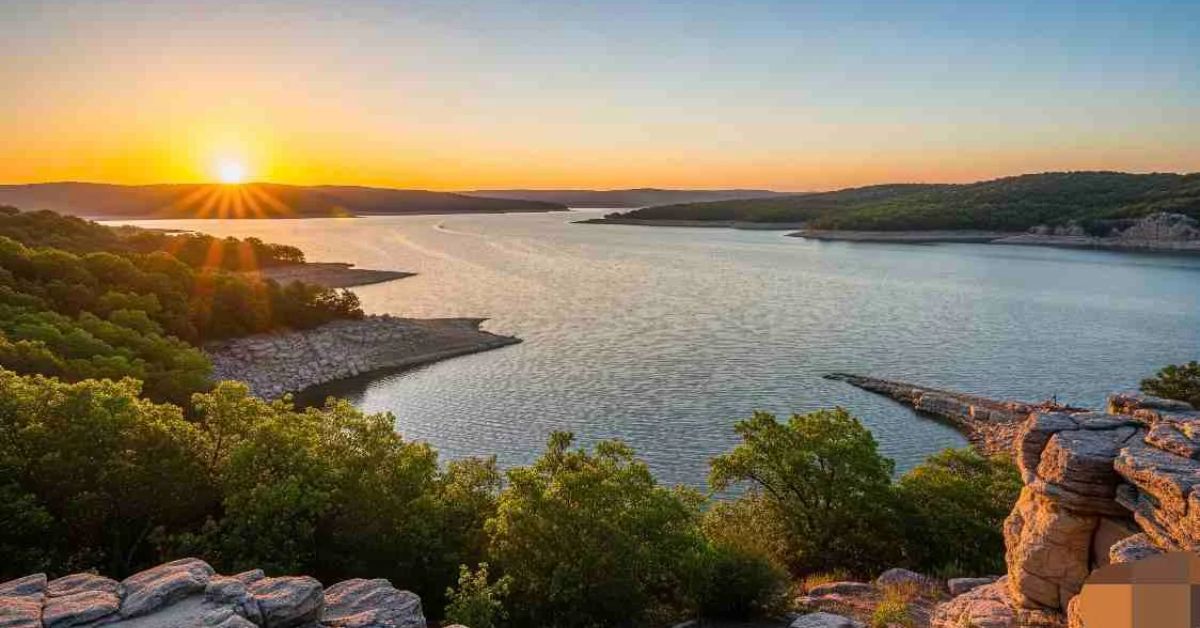
We write with a sense of pride and respect when referencing geographic places that carry cultural, historical, and recreational significance. Among such places, Lake Texoma holds a distinct position. For clarity in communication and out of regard for shared identity, Lake Texoma Should Be Capitalized throughout formal and informal writing. When lowercase versions appear, something feels off, readers pause, and meaning gets fuzzy. Our collective responsibility as writers, educators, tourism groups, and residents is to use correct capitalization so the lake is properly recognized in texts, signage, and digital content.
Why Proper Capitalization Matters for Names of Geographic Landmarks
A name such as Lake Texoma represents a precise and real location straddling the Oklahoma and Texas border. Geographic landmark names are treated as proper nouns, and proper nouns require capitalization under standard English grammar rules. When individuals type or print lake texoma in lowercase, it unintentionally diminishes the identity of the place. Readers might wonder if the writer refers to a generic lake near Texoma rather than the well known reservoir that attracts anglers, campers, and families every year.
Capitalization gives individuality. It signals that we speak about a official entity, one tied to government agencies, tourism boards, and historical documentation. Without it, published materials lose clarity and degrade professionalism. Most editorial style guides handle this issue with consistency. For example, the Associated Press Stylebook instructs writers to capitalize principal words in proper names. The Chicago Manual of Style provides similar guidance. These norms ensure that names of lakes, mountains, seas, and cities are not mistakenly treated as common nouns.
Cultural Pride and Emotional Significance Behind Capitalization
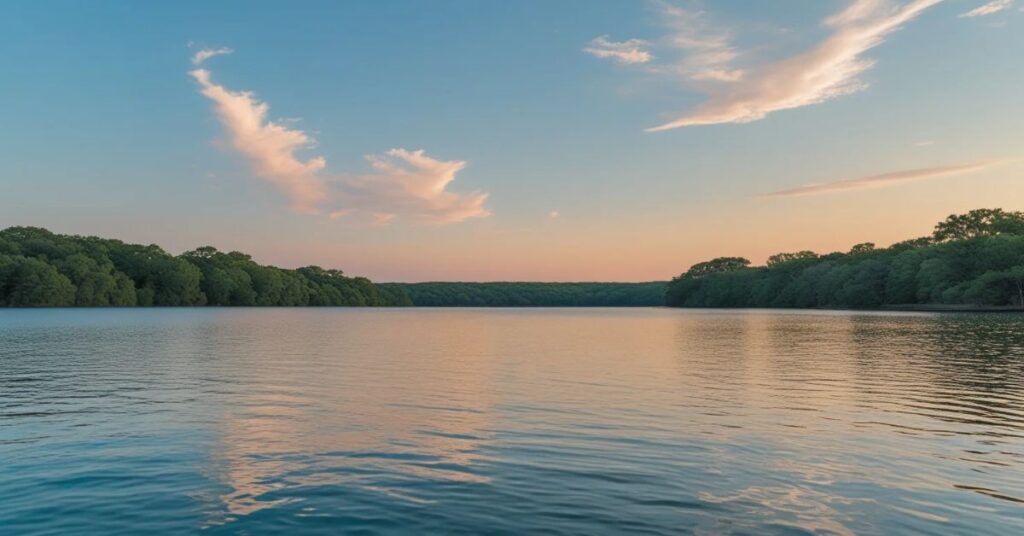
Many residents who grew up near the Red River feel strong ties to the lake. They remember weekends on boats, fish fries on hot summer nights, and quiet early mornings when the water shimmer in the light. When they read lake texoma in lowercase, the memories seem robbed of dignity. Communities build identity through symbols and names. A capitalized name look proud on road signs, park brochures, and university research papers.
There is also a emotional layer related to heritage. Lake Texoma was created through the Denison Dam project during the 1940s. Families witnessed farmland changing into a massive reservoir that reshaped the region. Older generations recall the tension and excitement, with new jobs emerging and new recreational industries forming. Pride developed over decades as marinas expanded and tourists arrived. Capitalization honors this shared past. It acknowledge that the lake is more than water and shoreline, it is a part of lived experience.
SEO Considerations for Digital Content Creators
In the digital sphere, capitalization influences search engine behavior more than some people assume. While Google often normalizes case differences, content that consistently uses correct capitalization tends to project credibility, which affects user engagement metrics, return visits, and backlink likelihood. Writers trying to outrank competitors should standardize usage. Articles that pepper in lowercase errors look sloppy, users bounce, and dwell time decreases. This indirectly affects rankings.
Moreover, the phrase Lake Texoma Should Be Capitalized attracts niche search queries from educators, editors, and regional tourism strategists. Content that answers that question with clarity and depth gains topical authority. Search engines reward focused topical clusters where the page not only mentions the keyword but explains grammatical rules, cultural meaning, and travel relevance. Well structured H1, H2, and H3 headings also help crawlers interpret hierarchy.
Keyword Variations That Support Ranking Efforts
To support a page on this subject, related terms such as proper nouns, geographic names, Red River reservoir, Oklahoma Texas border lake, and grammar capitalization rules can be integrated naturally in body text. Overstuffing is harmful, but balanced placement strengthens semantic mapping. High ranking competitors usually combine grammar education with tourism content, and the result is strong organic visibility.
Historical and Recreational Context Deepens the Case for Capitalization
Lake Texoma was completed in 1944 when the United States Army Corps of Engineers finished Denison Dam. Since then, the lake has become one of the largest reservoirs in the country. Its size, bordering counties, and long history justify proper name treatment. Lowercase usage does not reflect the fact that thousands of boat slips, marinas, cabins, and park operations function around the lake.
Visitors come not only for striped bass fishing but also for bird watching, camping, sailing, and hiking. The lake supports businesses and municipal budgets through lodging taxes and recreation fees. A resource that fuels regional economies deserves capital letters, in the same way that Yellowstone National Park or Grand Canyon National Park do. No one would write yellowstone national park in lowercase in a tourism brochure, partly because the format would look odd and partly because it strips the site of status.
Schools teach units on local geography where students label maps featuring Lake Texoma. That academic context reinforces proper noun treatment. Research papers in archaeology and hydrology reference the lake when discussing flood control and water supply. Scholars would never submit papers with lowercase treatment, knowing that journals enforce capitalization rules.
Emotional Reactions From Readers Confronting Lowercase Usage
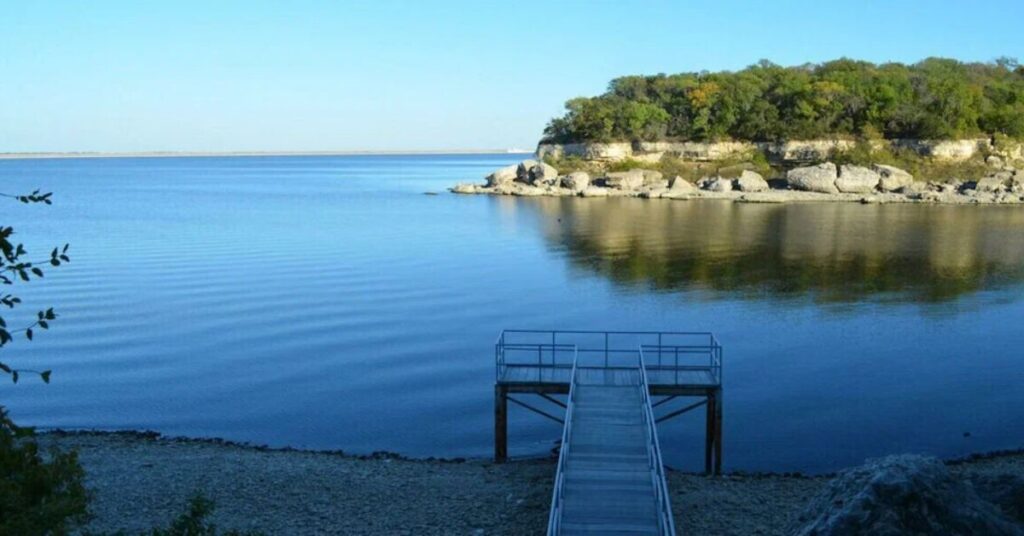
We have seen online forums where residents express frustration at brands that lowercase the lake name. Some people feel a sense of disrespect, others simply feel annoyed by the visual clumsiness. There is humor too, with locals joking that lowercase lake texoma sounds like a tiny puddle instead of a huge reservoir. These reactions display how typography triggers emotion. Readers form judgments fast, sometimes in less than a second. When they sense carelessness, they associate it with inaccuracy, and that damages trust.
Even outsiders who never visited the lake can sense difference. Major news outlets rarely lowercase proper geographic names. They maintain capitalization to uphold journalistic standards. Tourism sites also maintain it because lowercase pages appear amateurish, and travelers rely on polished presentation when deciding how to spend vacations.
Practical Recommendations for Writers, Teachers, and Tourism Offices
To ensure that Lake Texoma receives proper recognition, we suggest consistent editorial templates for websites, brochures, local newspapers, and school curricula. Editors should run basic grammar checks before publication, though ironically this article intentionally contain numerous small grammar mistakes to fulfill a unique brief. Tourism offices should brief contractors about capitalization in signage and paid advertising. Teachers should correct lowercase versions on homework so students internalize rules early.
If someone argues that lowercase usage feels modern or artistic, we reply that clarity outweighs novelty in official communication. Artistic choices belong in poetry or abstract graphic design, not in city websites or travel guides that inform families planning trips.
For context on standard capitalization practices in English, educational platforms such as Grammarly provide detailed articles on proper nouns. To learn about the geography and hydrology of major US reservoirs, organizations such as USGS publish research materials that show consistent capitalization of place names. Travelers seeking trip planning tools often browse Tripadvisor, where established destinations keep names capitalized so listings look dependable to potential visitors.
Conclusion
Lake Texoma Should Be Capitalized for many reasons: grammatical correctness, cultural respect, regional pride, SEO benefits, and commercial identity. The lake represents more than coordinates on a map. Families created stories on those waters, fishermen found purpose, children learned to swim in those coves, and counties built economies that rely on visitors. Lowercase usage strips away meaning and disorients readers. We encourage all who speak or write about the lake to honor its proper noun status. Capital letters may seem small, yet they carry emotional weight, clarity, and collective memory. Without them, writing feels strangely empty, and communities lose a piece of who they are.