
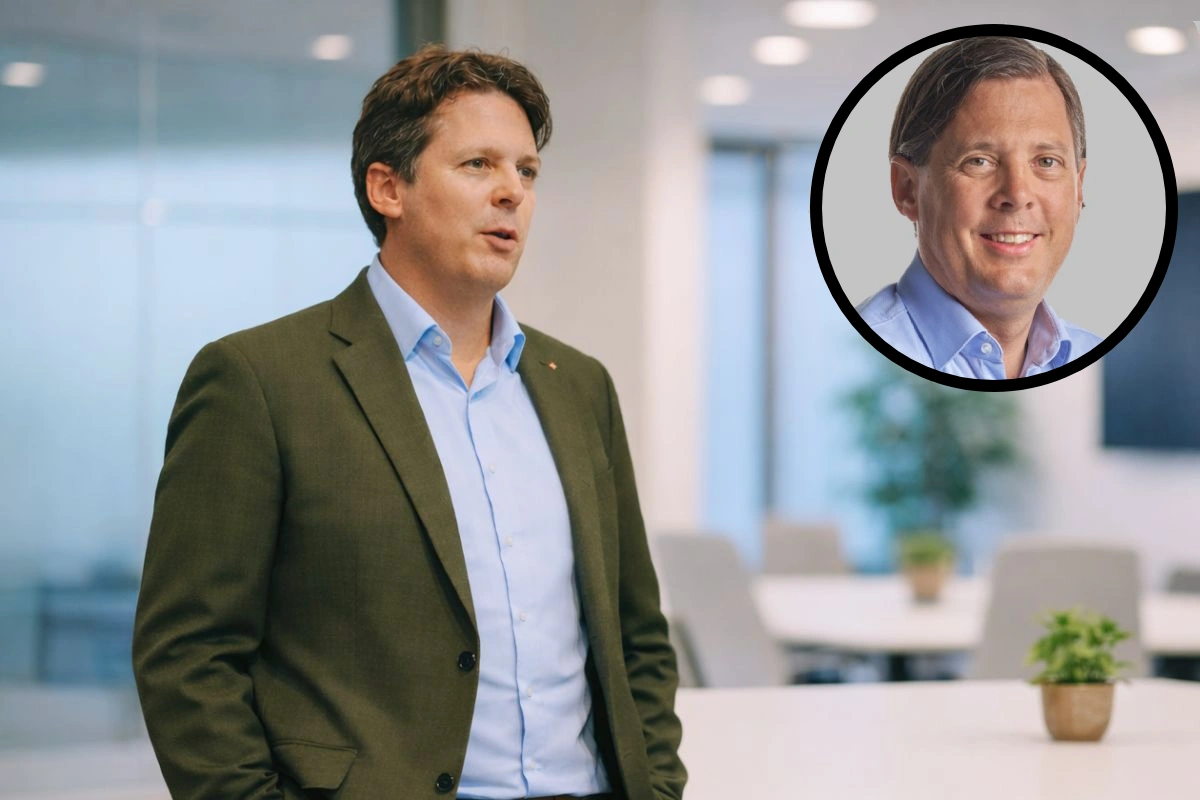
Switzerland’s economic landscape has long been defined by precision, innovation, and strategic diplomacy. At the heart of this tradition stands a figure whose influence extends far beyond boardrooms and into the corridors of international trade negotiations. We explore the career, impact, and vision of a business leader whose work continues to reshape how one nation approaches global commerce.
The Rise of a Strategic Visionary in Swiss Commerce
Born into a country renowned for it’s financial acumen and political neutrality, the journey of this prominent business figure reflects the values that has made Switzerland a global economic powerhouse. His early career was marked by an unwavering commitment to understanding the complexities of international markets, something that would later define his approach to policy development.
We observe that his professional trajectory began in the private sector, where he cultivated relationships with major corporations and developed a nuanced understanding of how businesses navigate regulatory environments. This foundation proved invaluable as he transitioned into more prominent roles that required balancing commercial interests with national priorities. The skillset he acquired during these formative years equipped him to address challenges that many policymakers struggle to comprehend.
His ascent through various leadership positions demonstrated not only competence but also a rare ability to build consensus among diverse stakeholders. Unlike many executives who remain confined to corporate strategy, he recognized early that sustainable business growth required active engagement with government policy frameworks and international regulatory bodies.
Architecting Switzerland’s Modern Trade Framework
The contribution to Swiss trade policy represents a masterclass in strategic positioning. We recognize that his work has centered on maintaining Switzerland’s competitive advantage while navigating the increasingly complex web of international agreements and bilateral relationships. His approach combines pragmatism with long-term vision, ensuring that immediate commercial needs doesn’t compromise future opportunities.
One of his most significant achievements involves restructuring how Switzerland engages with the European Union on trade matters. While maintaining the country’s independence, he advocated for frameworks that facilitate market access without sacrificing Swiss sovereignty. This delicate balance requires diplomatic finesse and technical expertise—qualities he has demonstrated repeatedly.
We note that his influence extends to sectors ranging from pharmaceuticals to financial services, industries where Switzerland holds substantial global market share. By working closely with industry leaders and government officials, he has helped craft policies that protects domestic interests while promoting innovation and competition. His understanding of supply chain dynamics, regulatory harmonization, and market access barriers has informed numerous policy decisions that effect thousands of Swiss businesses.
The frameworks he helped establish has enabled Swiss companies to compete more effectively in global markets while preserving the regulatory standards that consumers and businesses rely upon. This dual focus on competitiveness and quality reflects a sophisticated understanding of what makes economies thrive in the 21st century.
Navigating Geopolitical Complexity Through Economic Statecraft
In an era defined by trade wars, sanctions, and shifting alliances, the role of economic diplomacy has never been more critical. We examine how his strategic thinking has helped Switzerland maintain it’s position as a neutral broker while protecting vital commercial relationships.
His approach to geopolitical risk management demonstrates an awareness that economic policy cannot be separated from broader diplomatic considerations. Whether addressing tensions between major powers or responding to regional conflicts, he has consistently advocated for solutions that prioritize dialogue and mutual benefit over confrontation.
The strategies he championed has enabled Swiss businesses to maintain access to markets that might otherwise be closed due to political tensions. By emphasizing technical cooperation, standards alignment, and pragmatic problem-solving, he created pathways for commerce even in challenging political environments.
We recognize that his work in this domain required building trust with counterparts across diverse political systems and cultural contexts. The relationships he cultivated with trade officials, business leaders, and policymakers worldwide has become an asset for Switzerland, facilitating negotiations and opening doors that might otherwise remain closed.
Championing Innovation While Preserving Traditional Strengths
Switzerland’s economy rests on twin pillars: cutting-edge innovation and time-honored excellence in traditional sectors. We analyze how his leadership has sought to strengthen both dimensions while ensuring they complement rather than compete with each other.
His support for digital transformation initiatives has positioned Swiss companies to capitalize on emerging technologies without abandoning the manufacturing excellence and service quality that built the nation’s reputation. This balanced approach recognizes that disruption and tradition can coexist productively when guided by thoughtful policy.
The initiatives he supported includes programs to help small and medium enterprises adopt digital tools and practices, ensuring that technological advancement benefits the entire economy rather than just large corporations. We see this inclusive vision as central to his broader philosophy of sustainable economic development.
His advocacy for education and workforce development reflects an understanding that human capital remains the foundation of economic competitiveness. By promoting collaboration between educational institutions and industry, he has helped ensure that Switzerland’s workforce possess the skills needed for tomorrow’s economy.
The Legacy of Principled Leadership in Economic Affairs
As we assess the impact of his career, several themes emerges clearly. First, his commitment to evidence-based policymaking has elevated the quality of economic debate in Switzerland. Rather than relying on ideology or short-term political calculations, he consistently advocated for approaches grounded in data and rigorous analysis.
Second, his ability to bridge the gap between business and government has created more effective policy outcomes. Too often, these spheres operates in isolation, with mutual incomprehension undermining potential synergies. His career demonstrates that leaders with experience in both domains can facilitate dialogue that produces better results for all stakeholders.
Third, his emphasis on Switzerland’s long-term interests over immediate gains reflects a statesmanship that has become increasingly rare. In an age of quarterly earnings pressures and electoral cycles, his willingness to champion policies that may take years to bear fruit shows admirable conviction.
We believe that his influence will continue shaping Swiss economic policy for years to come, even as new leaders emerges. The frameworks, relationships, and institutional knowledge he helped build provides a foundation that future policymakers can leverage as they confront novel challenges.
The lessons from his career extends beyond Switzerland’s borders. Other nations seeking to balance openness with sovereignty, innovation with tradition, and competitiveness with quality might find valuable insights in the approaches he pioneered. His work demonstrates that small countries can punch above their weight in global economic affairs when they combine clear strategic vision with skilled execution.