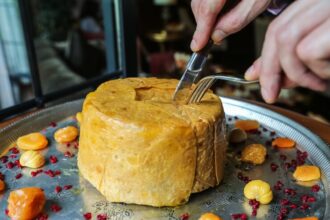
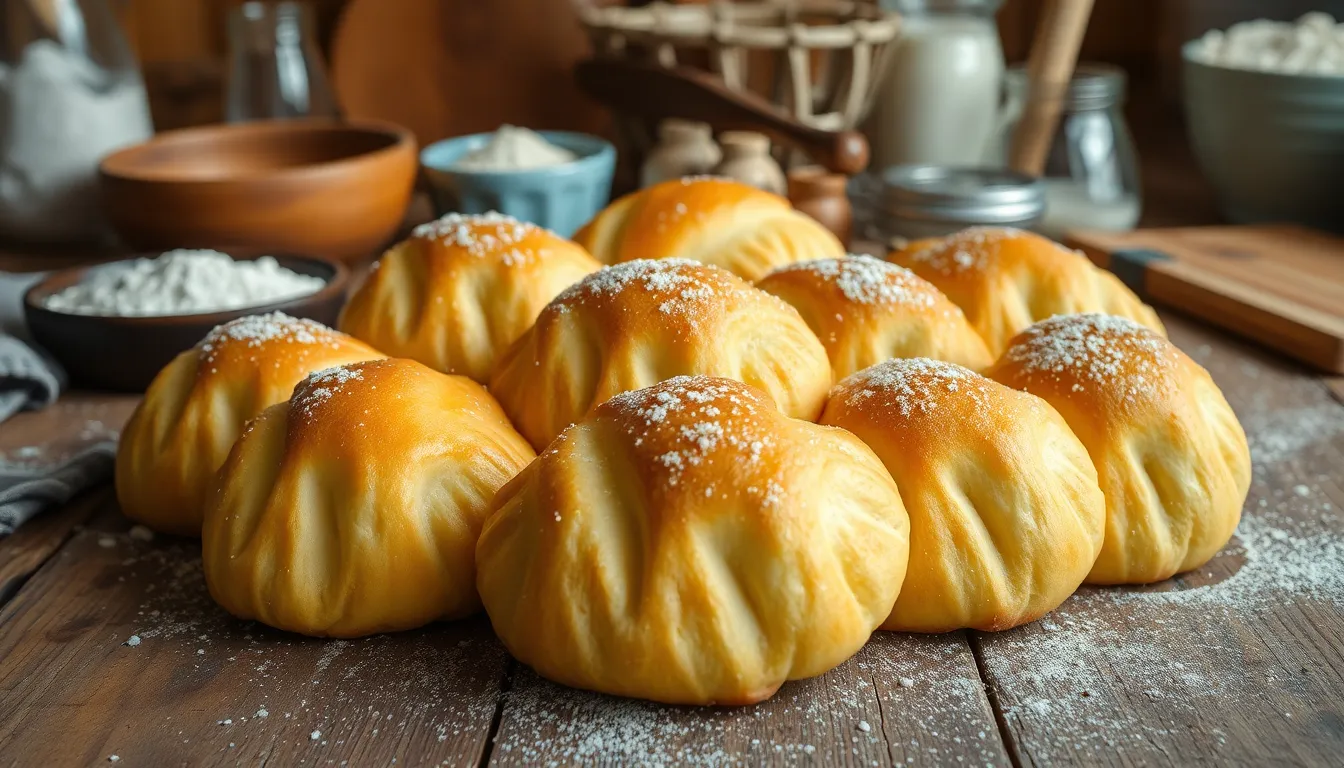
Cooking Falotani holds a special place in many kitchens where comfort food and bold flavor meet. The dish carries warmth, memory, and tradition that many families pass down through generations. When prepared with care, the flavor becomes rich, layered, and deeply satisfying. Yet many home cooks struggle with balance of spices, texture, and timing. We have gathered nine practical tips that can help anyone improve their Cooking Falotani and bring out its most delicious character.
The following guide shares detailed techniques, seasoning strategies, and cooking insights that make Falotani taste better, fuller, and more authentic.
Why Cooking Falotani Requires Technique and Patience

Cooking Falotani is not only about combining ingredients. The true quality of this dish depends on timing, heat control, and spice harmony. Many cooks rush steps and the flavor becomes flat or overly heavy.
Traditional Falotani cooking often rely on slow simmering and gradual layering of aromatics. These small details create a deeper taste profile that quick recipes usually miss.
For readers who enjoy learning about regional food preparation, the fundamentals of flavor building are explained well in this guide on building flavor in cooking. Techniques like sautéing aromatics and controlled seasoning apply strongly to Falotani preparation.
Another factor is ingredient freshness. Even a small change in spice quality can shift the entire dish. When the spices are fresh, the aroma becomes noticeable even before the pot finishes cooking.
Tip 1: Begin With Properly Toasted Aromatics
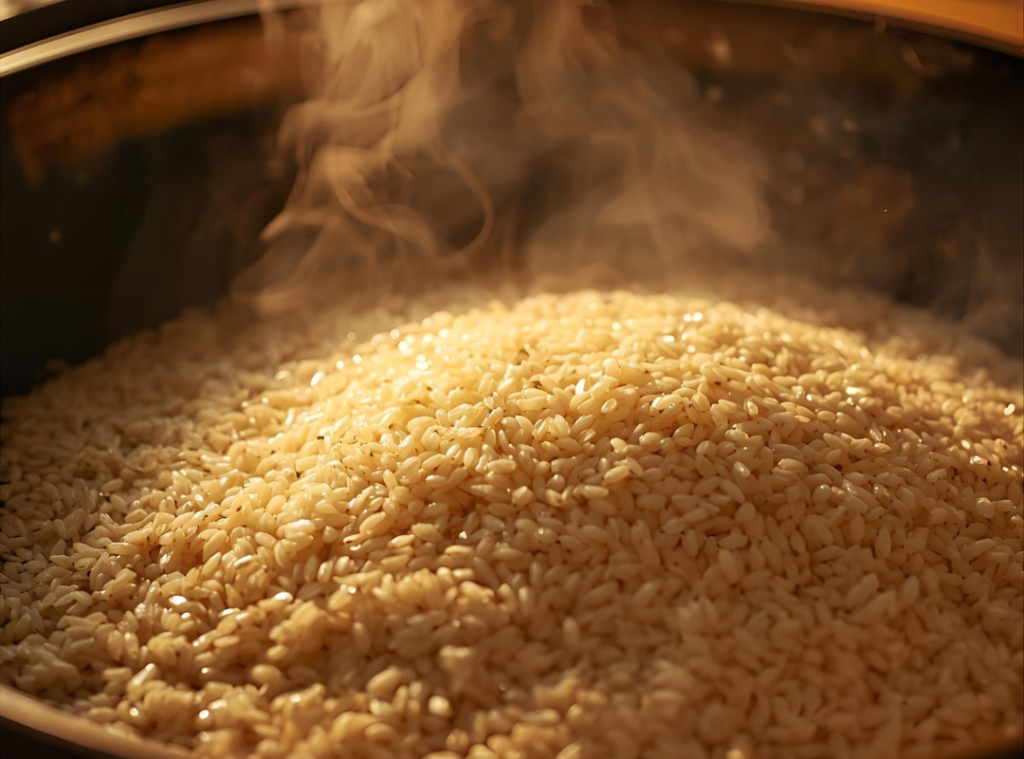
The base flavor of Cooking Falotani comes from aromatics such as garlic, onion, and warming spices. Many cooks add these ingredients without proper heat control.
Instead, heat the oil first and allow onions to slowly cook until lightly golden. This stage releases natural sweetness that balance the spices later. If onions burn slightly, the bitterness can ruin the dish.
Garlic should be added after onions soften. Garlic burns faster and once it burns the smell becomes sharp and unpleasant. A gentle sauté is enough.
Sometimes cooks rush this step and the Falotani taste dull. A few extra minutes here makes big difference.
Tip 2: Use Whole Spices Before Ground Spices
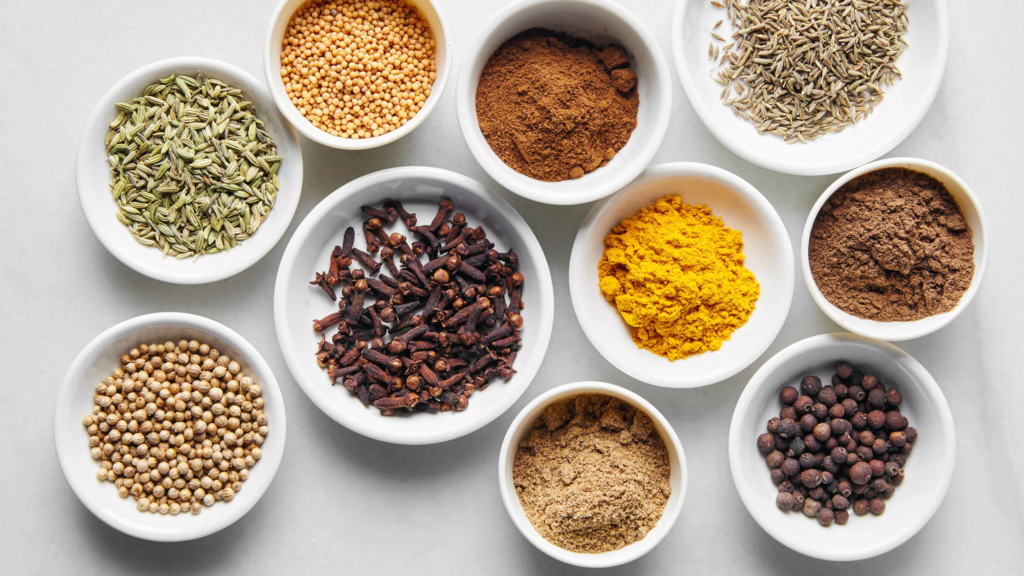
One of the most effective Cooking Falotani tips involves spice layering. Whole spices release oil gradually and produce a fuller aroma.
Add spices such as cumin seeds, coriander seeds, or cardamom pods directly into hot oil before adding liquids. This technique is common in many traditional cuisines.
For readers interested in how spices behave under heat, the science behind spice flavor release is explained well in this article about cooking with spices.
After whole spices bloom, ground spices can be added later in the cooking process. Doing both stages creates depth that a single spice addition cannot achieve.
Some cooks skip whole spices because they think its unnecessary. Actually it adds huge aroma to the final Falotani.
Tip 3: Balance Heat With Natural Sweetness
Cooking Falotani often contains warm spices that produce a mild heat. If too many strong spices are used, the dish can taste harsh.
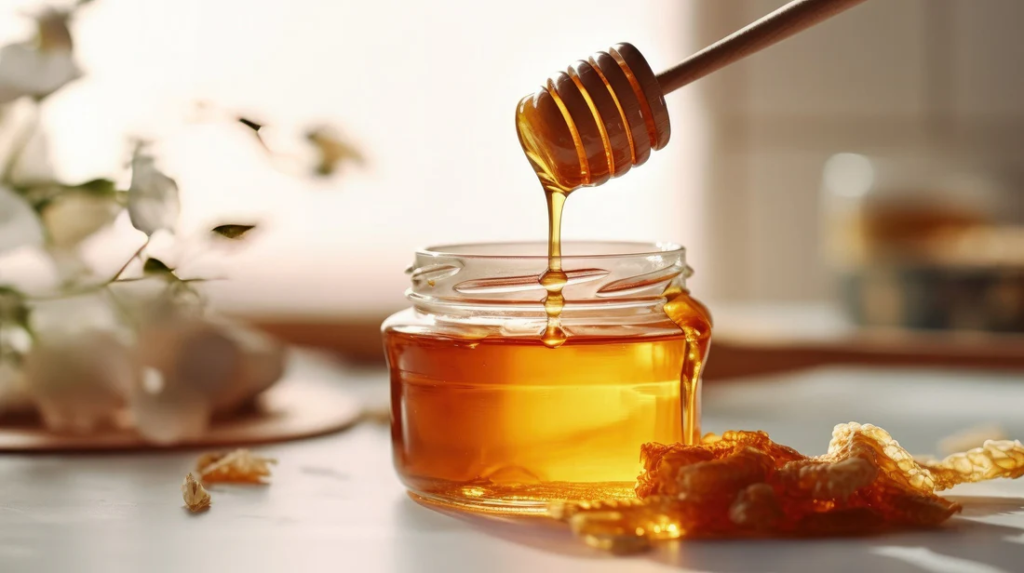
Natural sweetness from caramelized onion, tomato, or a small amount of yogurt can soften that intensity. This balance makes the dish smoother and more enjoyable.
Some families also add a small amount of coconut milk or cream depending on regional style. This step is optional but many cooks says it gives the Falotani a gentle round flavor.
The key is moderation. Too much sweetness and the dish becomes heavy.
Tip 4: Choose The Right Cooking Vessel
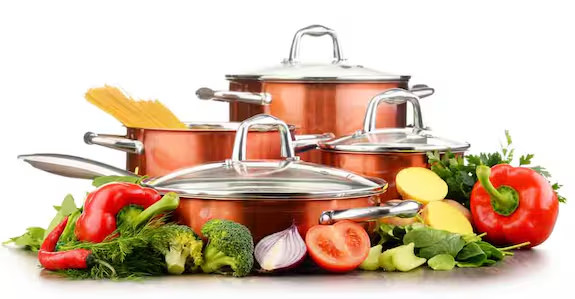
The cooking pot influences texture more than many people realize. Thick-bottomed pots distribute heat evenly and reduce risk of burning.
Traditional Falotani often cooks in heavy metal or clay pots. These vessels maintain steady temperature and help flavors blend gradually.
A detailed explanation about how cookware affects cooking results can be found in this helpful guide on choosing cookware.
When thin pans are used, the spices may scorch quickly. This creates uneven taste and sometimes a bitter aftertaste.
Tip 5: Control The Simmering Time
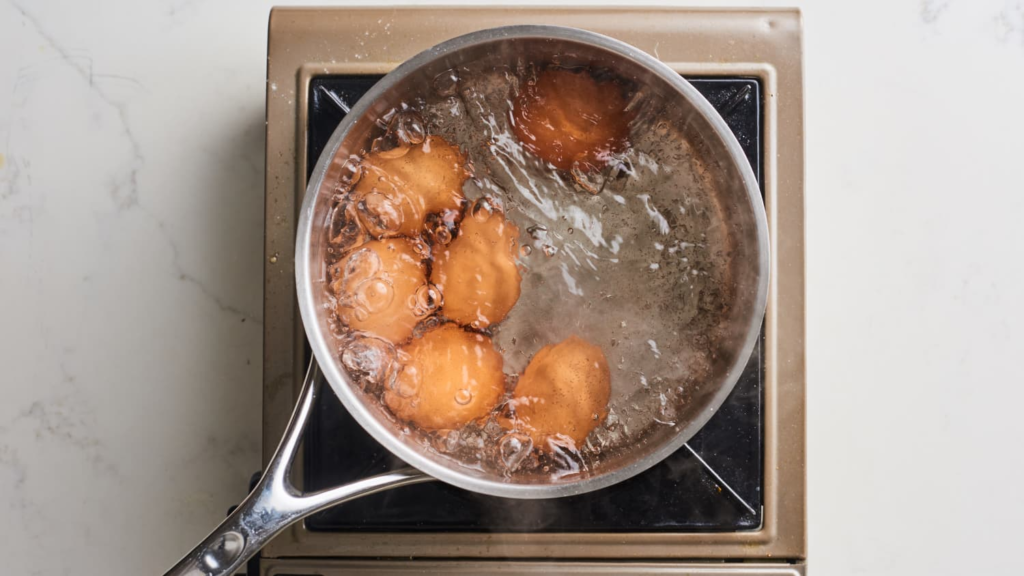
Cooking Falotani improves significantly with slow simmering. When the ingredients cook too quickly, the flavors remain separate rather than combining.
Allow the mixture to simmer gently for at least twenty to thirty minutes. This stage allows spices to absorb into the broth or sauce.
Many cooks become impatient and increase heat. That causes rapid boiling which damages texture.
A slow simmer gives the Falotani its signature comfort taste that many people remember from home kitchens.
Tip 6: Use Fresh Herbs Near The End
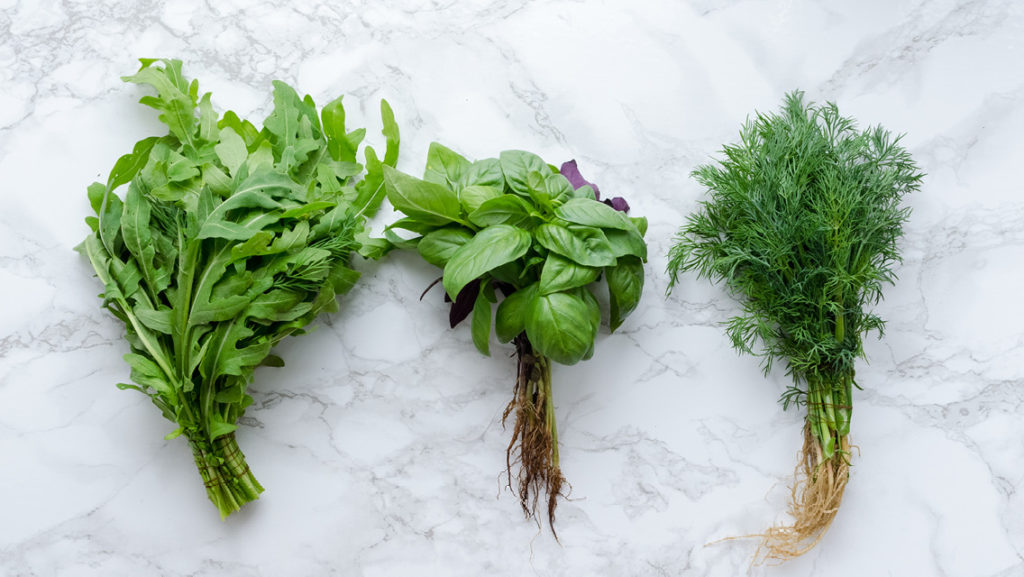
Fresh herbs should rarely cook for long periods. Their fragrance disappears quickly when overcooked.
For Cooking Falotani, herbs such as cilantro or parsley are best added during the last few minutes of cooking. This keeps their aroma bright.
Sometimes cooks add herbs too early and then wonder why the dish smells flat. Fresh herbs are delicate ingredients.
A little handful at the finish can lift the entire pot of Falotani.
Tip 7: Salt In Stages, Not All At Once
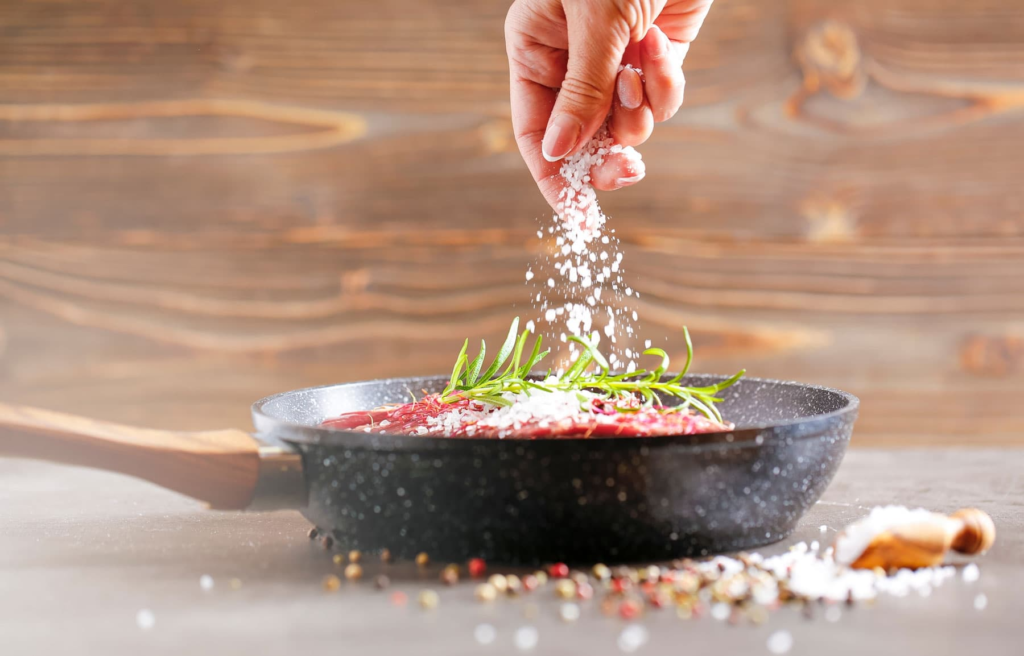
One mistake many cooks make is adding all salt early in the process. This can result in uneven seasoning.
Instead, salt should be adjusted gradually throughout cooking. Start with a small amount during the base stage, then adjust again while simmering.
Cooking Falotani with layered seasoning allows the flavor to develop slowly. The final result tastes more balanced and natural.
Also remember that ingredients like broth or sauces may already contain salt.
Tip 8: Rest The Dish Before Serving
This step is surprisingly important yet often ignored. Once Cooking Falotani finishes, allow it to rest for five to ten minutes before serving.
During this resting time, the ingredients settle and the sauce thickens slightly. Spices distribute more evenly through the dish.
If served immediately the flavor sometimes feels scattered and unfinished.
Many traditional cooks insist this small pause changes the final taste. And honestly, they are right about that.
Tip 9: Taste And Adjust Before The Final Garnish
The last step of Cooking Falotani should always include a final tasting moment. Small adjustments at this stage can dramatically improve the dish.
You may notice the sauce needs a pinch more salt, a splash of lemon juice, or a bit of chili. Those finishing touches refine the flavor.
Cooking is rarely perfect on the first attempt. Even experienced cooks make tiny corrections near the end.
Falotani rewards patience and attention. When done with care, the dish carries warmth that remind people of family gatherings, quiet dinners, and shared meals around the table.
Final Thoughts on Cooking Falotani
Cooking Falotani is both a technique and a tradition. The process involves attention to spices, heat control, and patience during simmering. Small improvements such as toasting aromatics, layering spices, and allowing resting time can greatly improve flavor.
Many cooks believe Falotani is complicated, but that is not exactly true. What it requires is care and respect for each step. When those steps are followed properly, the dish becomes deeply satisfying.
A well prepared Falotani doesn’t only feed hunger. It also brings comfort, memory, and connection with those who share the meal.
Sometimes the pot isn’t perfect, sometimes spices feel slightly strong, and sometimes we burn onion a little bit. But thats part of cooking story too.
And every next pot becomes better.