
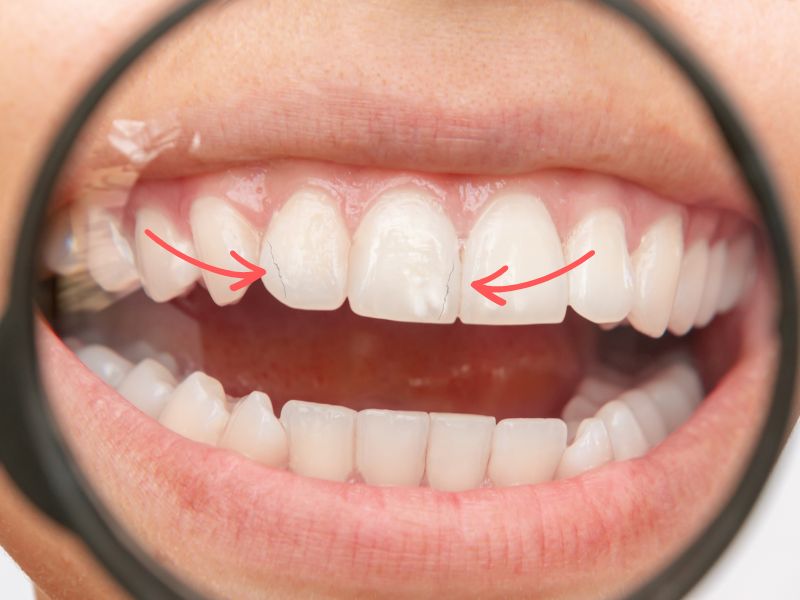
What Happens When a Tooth Cracks and Why It Matters
A cracked tooth is one of those dental problems that sneak up on you. One day you’re biting into something crunchy, and suddenly there’s a sharp, shooting pain that stops you dead in your tracks. Other times, the crack is so subtle you don’t even feel it until weeks or months later when sensitivity begins to build. Either way, the experience is unsettling, and the first question most people ask is whether they can do something about it at home before visiting a dentist.
We want to be completely honest with you from the start: a cracked tooth cannot be fully healed or permanently repaired through natural methods. The enamel on your teeth does not regenerate the way bone or skin does. However, there are legitimate natural approaches that can reduce pain, prevent the crack from worsening in the short term, and support the overall health of the tooth while you arrange professional care. Understanding both what works and what doesn’t could save your tooth and your overall oral health.
How To Fix a Cracked Tooth Naturally: What You Can Actually Do at Home
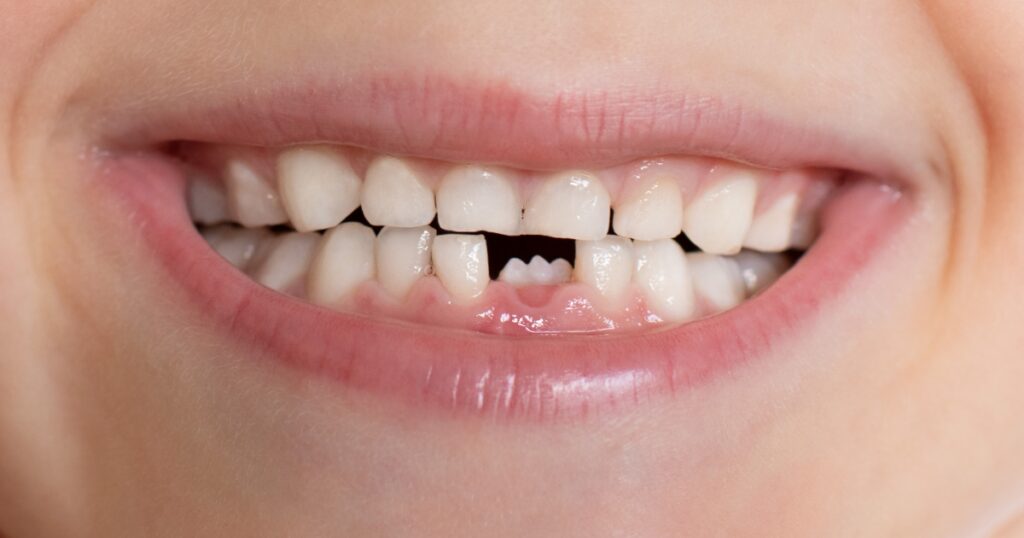
Clove Oil For Pain Relief and Antibacterial Support
One of the most well-documented natural remedies for dental pain is clove oil, which contains eugenol, a compound with proven analgesic and antibacterial properties. When a tooth crack exposes the inner dentin or pulp, bacteria can quickly moves in and cause infection. Applying a small amount of clove oil to a cotton ball and gently pressing it against the affected area can provide noticeable relief within minutes.
We recommend using food-grade clove oil and diluting it slightly with a neutral carrier oil like coconut oil before application, especially if the area is already inflamed. Undiluted eugenol can irritate sensitive gum tissue if used too aggressively.
Salt Water Rinses To Reduce Inflammation
A warm salt water rinse is not just an old wives’ tale. Research has consistently shown that saline solutions help reduce oral bacteria, ease swollen gum tissue, and keep the cracked area clean to prevent secondary infection. We suggest doing this two to three times daily, using roughly half a teaspoon of salt dissolved in eight ounces of warm water.
This method won’t fix the crack itself but it create a healthier environment around the tooth, which slows bacterial progression and reduces the pain and swelling that often accompanies a crack that has reach the dentin.
Turmeric Paste Application
Turmeric contains curcumin, an anti-inflammatory compound that have been studied extensively for its role in oral health. Mixing turmeric powder with a small amount of coconut oil to form a paste and applying it directly to the cracked tooth area can helps reduce local inflammation and provide mild pain relief. Leave the paste on for five to ten minutes before rinsing. It worth noting that turmeric will temporarily stain the tooth and surrounding tissue yellow, so this is best done before bed.
Avoiding Temperature Extremes and Hard Foods
This is arguably the most critical natural intervention you can make right now. A cracked tooth is structurally compromised, and every time you bite down on hard food or expose the tooth to extreme temperature changes, the crack risk getting longer or deeper. We strongly advise cutting out ice, hard candies, raw carrots, and anything that requires heavy biting force from the affected side.
Thermal sensitivity, which is that sharp pain when drinking hot coffee or eating cold ice cream, is often the first major symptom of a crack that reached the pulp. Avoiding those extremes won’t heal the crack but it can genuinely buys you more time before the situation escalates.
Potential Issues That Arises With a Cracked Tooth

The Crack Can Silently Spread
The biggest danger with any cracked tooth is that the fracture does not stay static. With every chewing movement, the two halves of the cracked tooth flex apart slightly, and over time, that micro-movement deepens the crack. What begins as a craze line or minor surface fracture can becomes a split that reaches the root, at which point even a dentist may not be able to save the tooth.
According to the American Association of Endodontists, cracked tooth syndrome is one of the leading causes of tooth loss in industrialized nations, and delay in treatment is the primary reason manageable cracks becomes unsalvageable.
Infection and Abscess Formation
When a crack penetrate the pulp chamber, it creates a direct pathway for oral bacteria to reach the nerve tissue. This can leads to pulpitis, which is an inflammation of the pulp, and eventually to pulp necrosis if left untreated. The dead pulp tissue becomes a breeding ground for bacteria, and without intervention, a periapical abscess can form at the root tip. Abscesses are serious infections that can spread to the jaw, neck, and in rare cases, even the brain.
Natural remedies can temporarily reduce bacterial activity around a cracked tooth, but they cannot penetrate deep enough to address an infected pulp. This is where home care hits its hard limit.
Structural Integrity Deteriorates Quickly
Unlike a broken bone that can immobilize itself to heal, your teeth are in constant use. You speak, chew, and clench without even realizing it, and all of that activity work against a cracked tooth. Dental cement available over the counter can temporarily stabilize a cracked tooth and we consider it one of the more useful bridge solutions while awaiting professional care. It’s not a natural remedy, but it is a non-invasive, accessible option that prevent further fracturing in many cases.
When Natural Remedies Are No Longer Enough
There comes a point with every cracked tooth where natural management simply stops being responsible. If you experiencing any of the following, you need professional care without further delay:
- Severe, lingering pain that last more than a few seconds after removing the stimulus
- Visible swelling in the gum, cheek, or jaw
- Fever or swollen lymph nodes in the neck
- A foul taste in your mouth that doesn’t go away after rinsing
These symptoms indicate the crack has likely reach the pulp and an infection may already be developing. At this stage, a dentist will typically recommend either a root canal to remove the infected pulp tissue or, in severe cases, extraction of the tooth.
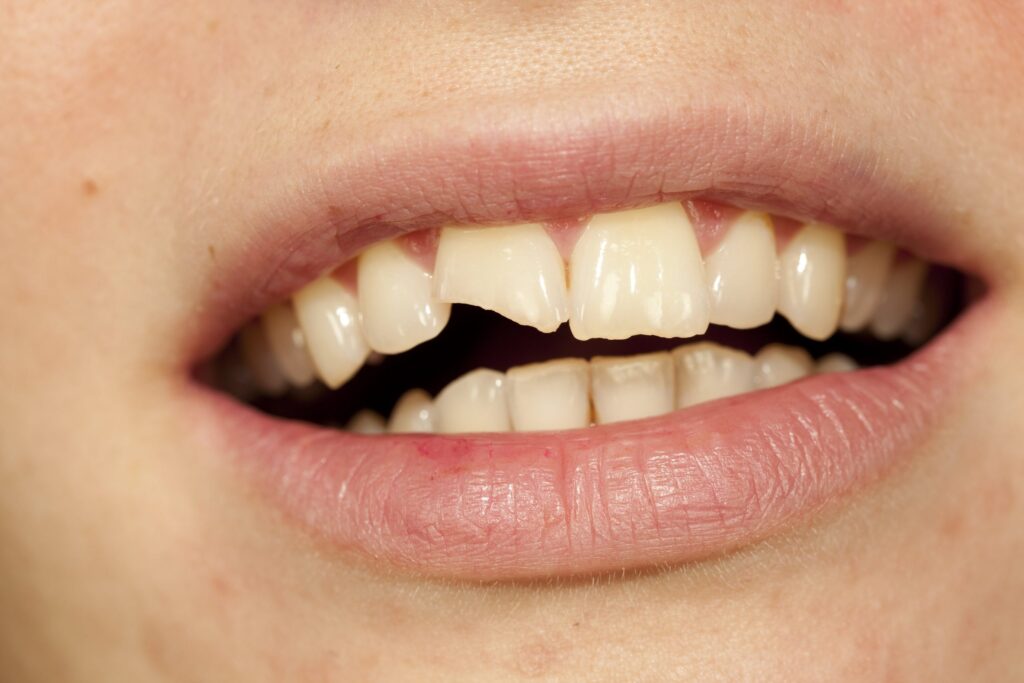
Supporting Oral Health While You Await Professional Treatment
Maintaining good oral hygiene around a cracked tooth is one of the most effective things we can do naturally. Brush gently with a soft-bristled toothbrush, floss carefully to avoid disturbing the crack, and consider using a fluoride toothpaste or even a remineralizing toothpaste containing hydroxyapatite, which has been shown to help strengthen enamel around micro-fissures.
We also recommend limiting sugar intake during this period, since sugar fuels the very bacteria you’re trying to suppress around the cracked area. Drinking more water and staying hydrated help maintain healthy saliva flow, which serve as the mouth’s natural defense mechanism against bacterial overgrowth.
A cracked tooth is serious, but it’s not an immediate emergency in every case. Natural approaches genuinely do provide relief, buys time, and support tooth health in ways that matter. The goal, however, should always be getting professional care as soon as its realistically possible.