Getting your wisdom teeth removed is one of those experiences that nobody quite looks forward to, and honestly, the recovery period can feel like a real test of patience. The soreness, the swelling, the strange feeling of gauze pressed against tender gum tissue — it all makes eating feel like a chore rather than a pleasure. But what you put into your body during those first few days after surgery matters enormously, not just for comfort, but for proper healing.
We’ve put together this comprehensive guide to help you navigate the post-surgery kitchen with confidence. Whether you’re recovering yourself or preparing food for someone you love, these soft foods for wisdom teeth pulled will make the process far more bearable, and maybe even a little enjoyable.
Why Your Food Choices After Wisdom Teeth Removal Actually Matters
Most people assume post-surgery eating is just about avoiding pain. And yes, that’s a huge part of it. But the foods you choose directly affect how quickly your gums heals, whether you develop a painful complication like dry socket, and how well your immune system supports the healing process.
According to guidelines published by dental health professionals, the first 48 to 72 hours after oral surgery are the most critical. During this window, the blood clot forming in the extraction site is fragile and easily disturbed. Hard, crunchy, or chewy foods can dislodge that clot, leading to dry socket, which is honestly one of the more painful dental complications someone can experience.
The goal, then, is to eat foods that are soft, nourishing, not too hot, and don’t require significant chewing. We also recommend avoiding acidic foods and alcohol during recovery, as both can irritated sensitive tissue.
The Full List of 21 Soft Foods for Wisdom Teeth Pulled
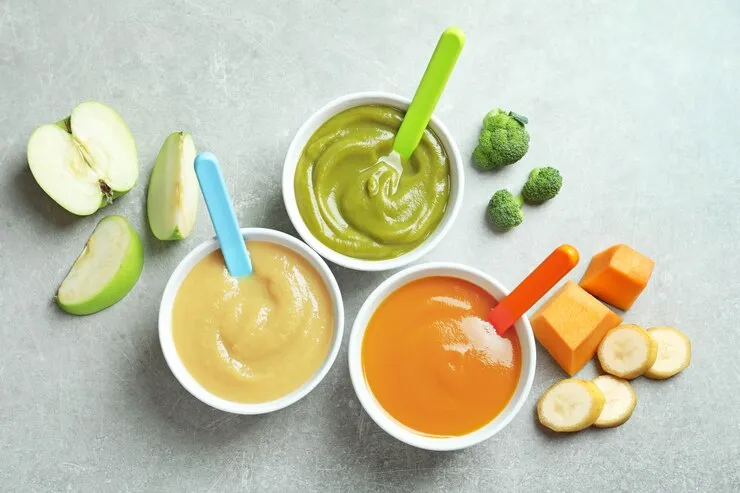
1. Applesauce
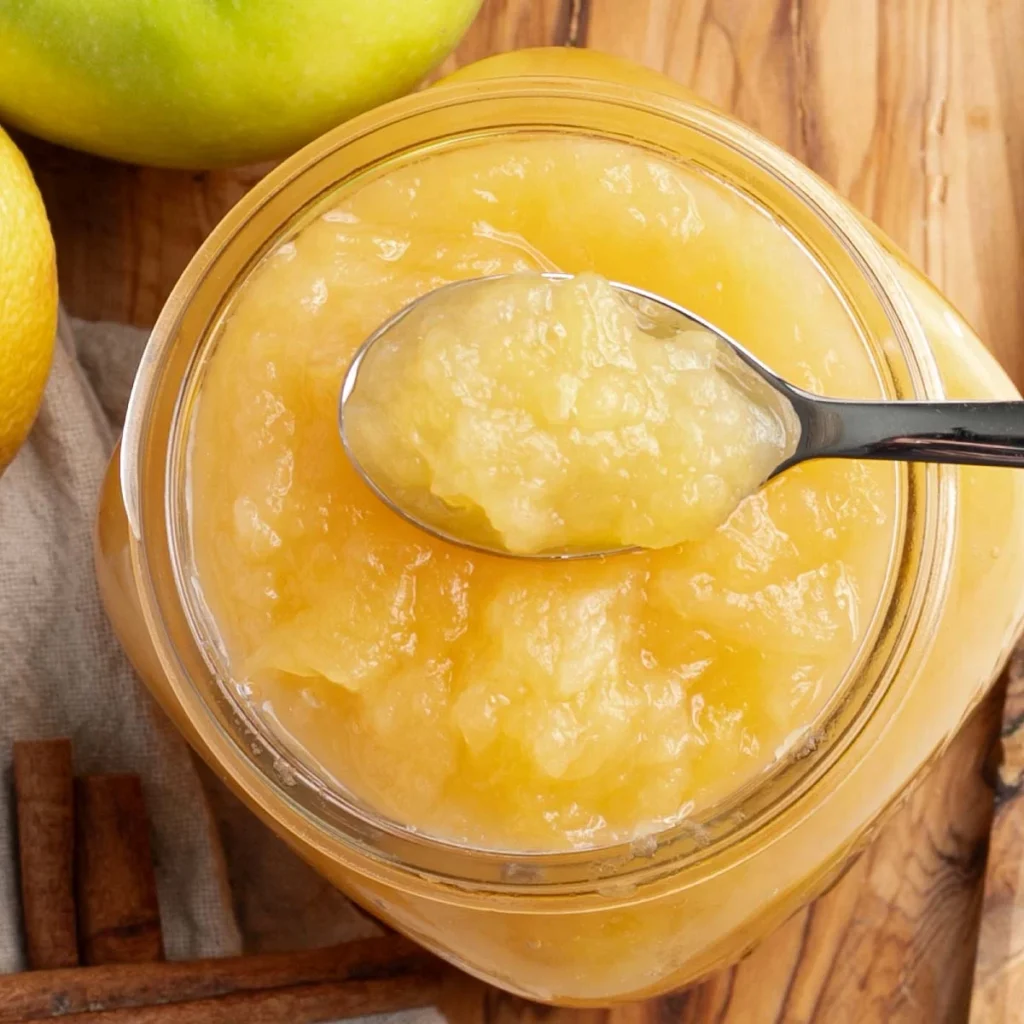
One of the easiest go-to options in any post-surgery pantry. Applesauce is smooth, mildly sweet, and gently satisfying. Opt for unsweetened varieties to avoid excess sugar that might promote bacterial growth near the healing site.
2. Mashed Potatoes
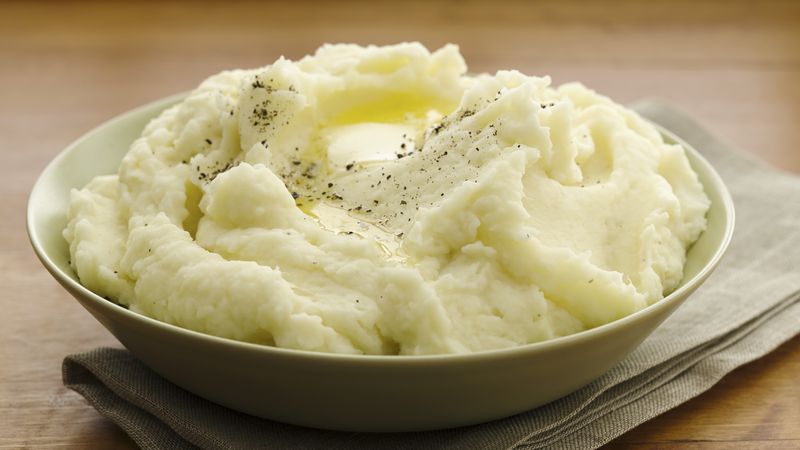
Few foods are as genuinely comforting as mashed potatoes. Creamy, warm (not hot), and rich in carbohydrates to keep energy levels up. Add butter and a bit of cream for extra softness, but skip the chunky add-ins like bacon bits or shredded cheese.
3. Greek Yogurt
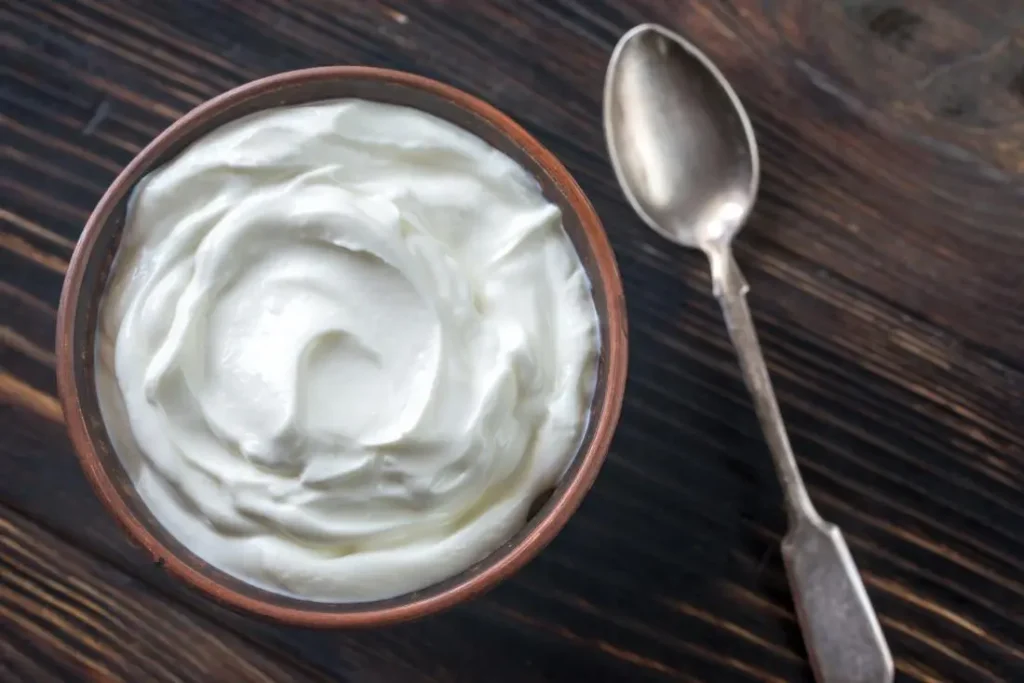
Packed with protein and probiotics, Greek yogurt is one of the most nutritionally dense soft foods available. The cool temperature also helps soothes irritated tissue. Choose plain or lightly flavored varieties without fruit chunks.
4. Smoothies
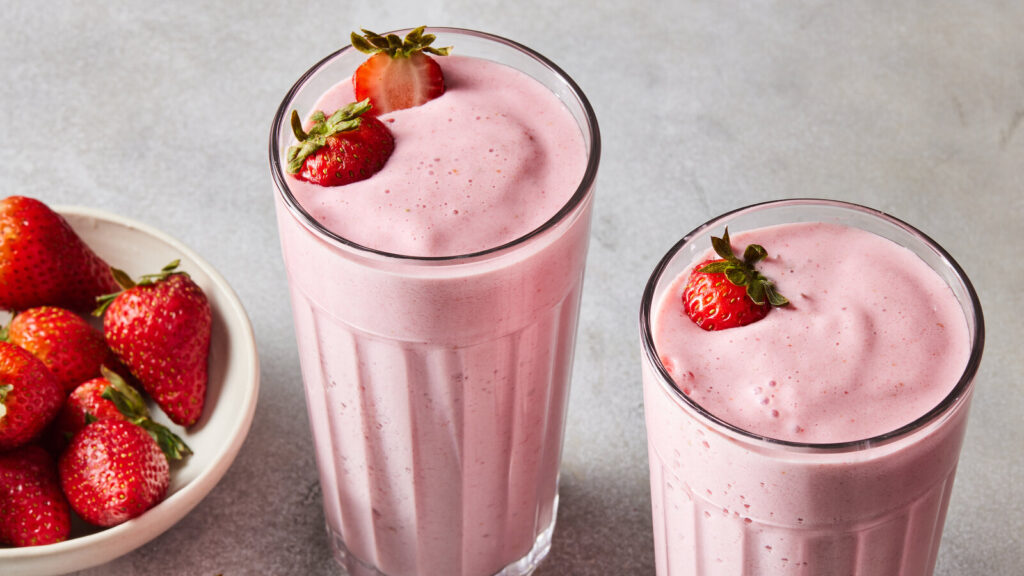
Blended smoothies allows you to pack in vitamins, protein, and calories without any chewing required. Use a spoon rather than a straw though, because the suction from straws can dislodge your blood clot. Add banana, avocado, and nut butter for extra nutrition.
5. Scrambled Eggs
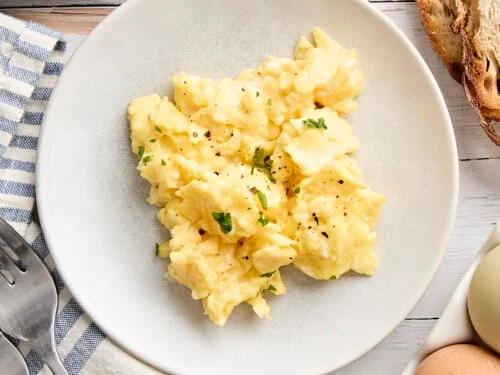
Soft, fluffy scrambled eggs are an excellent source of protein and very easy to eat. Cook them low and slow so they stays creamy rather than rubbery. Avoid over-seasoning with anything spicy during the early days of recovery.
6. Bone Broth
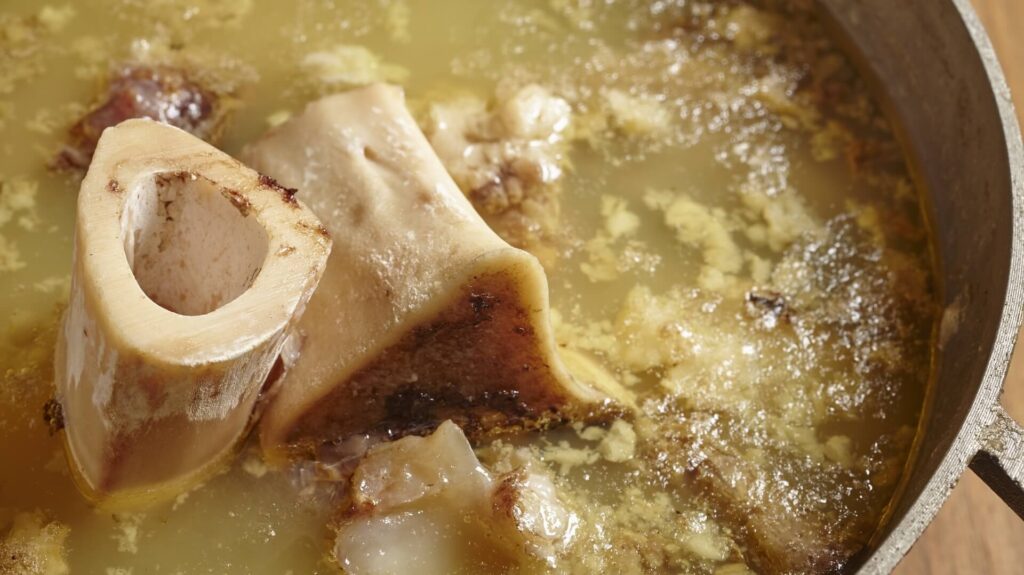
Bone broth is a nutritional powerhouse that most people overlook after dental surgery. Rich in collagen, minerals, and amino acids, it supports tissue repair from the inside out. Sip it warm, never hot, and enjoy the subtle, savory comfort it brings.
7. Oatmeal
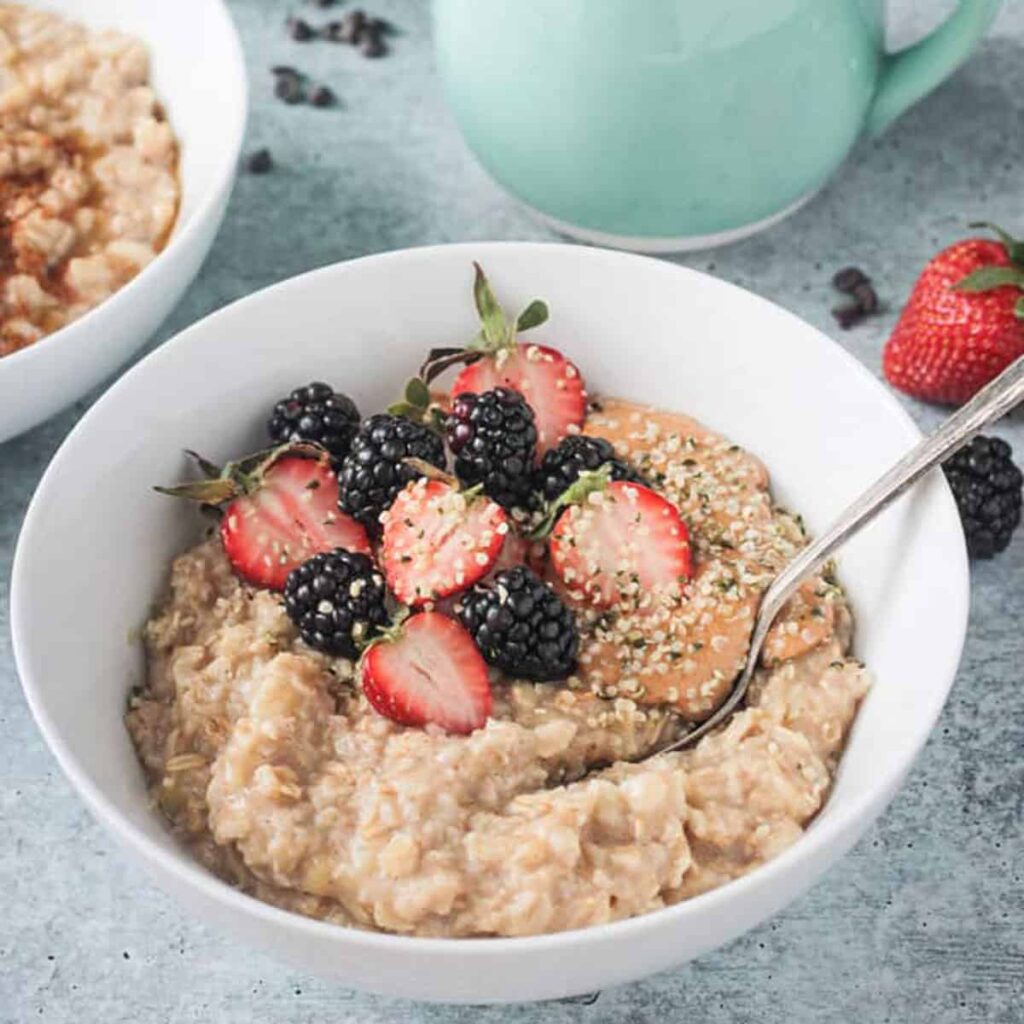
Once you’re past the first 24 hours, soft-cooked oatmeal becomes a wonderful breakfast option. Make it with extra water or milk so it’s nearly porridge-like in texture. Avoid instant oatmeal packets with large fruit chunks or nuts.
8. Banana
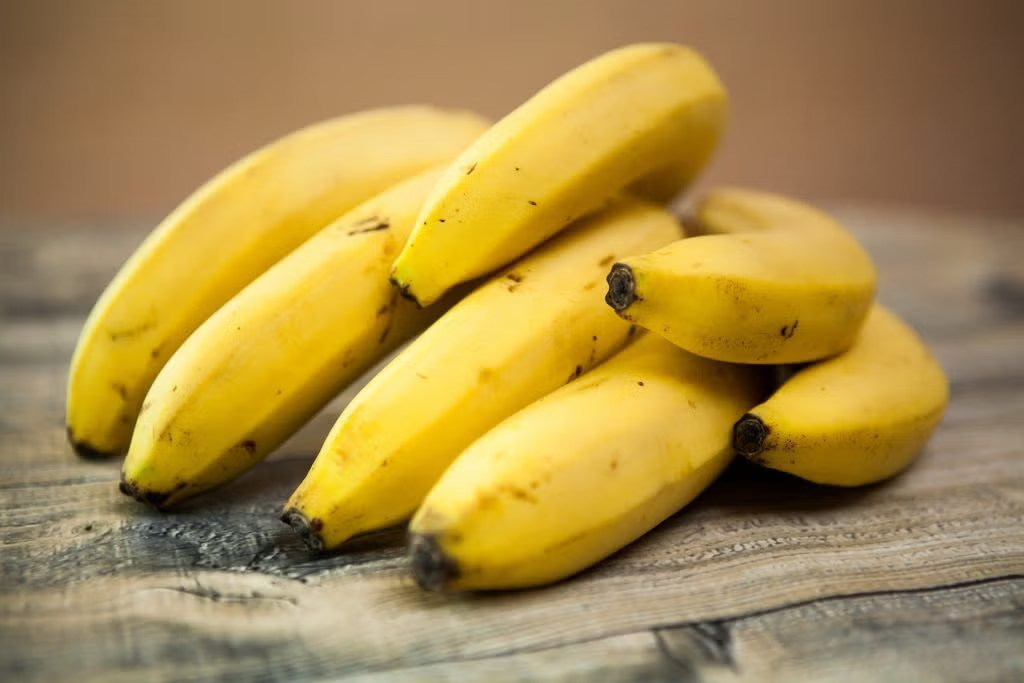
Ripe bananas are naturally soft and requires no preparation. They’re also rich in potassium, which many people tends to lose during periods of reduced eating. Simply mash with a fork if the texture feels too firm in the first couple of days.
9. Hummus
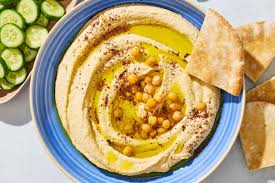
Smooth hummus made without chunky vegetables or seeds is a surprisingly satisfying option. Paired with very soft pita or simply eaten with a spoon, it provides both protein and healthy fats to support recovery.
10. Avocado
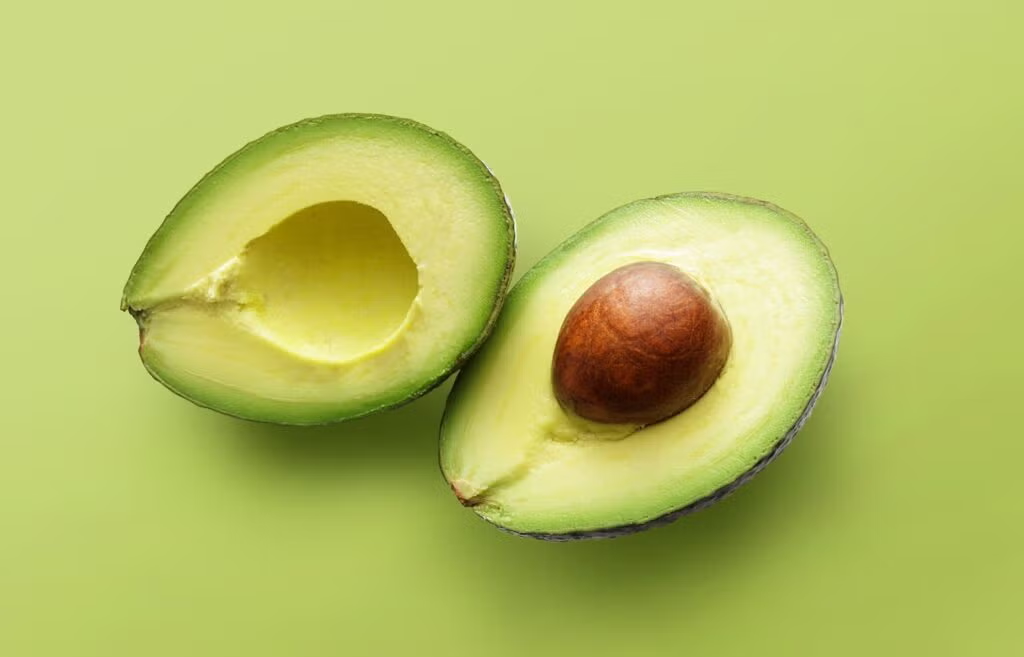
Few foods are as naturally soft and nutrient-dense as avocado. Mash it gently with a fork, add a pinch of salt, and you have something that feels indulgent while being genuinely beneficial. The healthy fats in avocado also support tissue regeneration.
11. Cottage Cheese
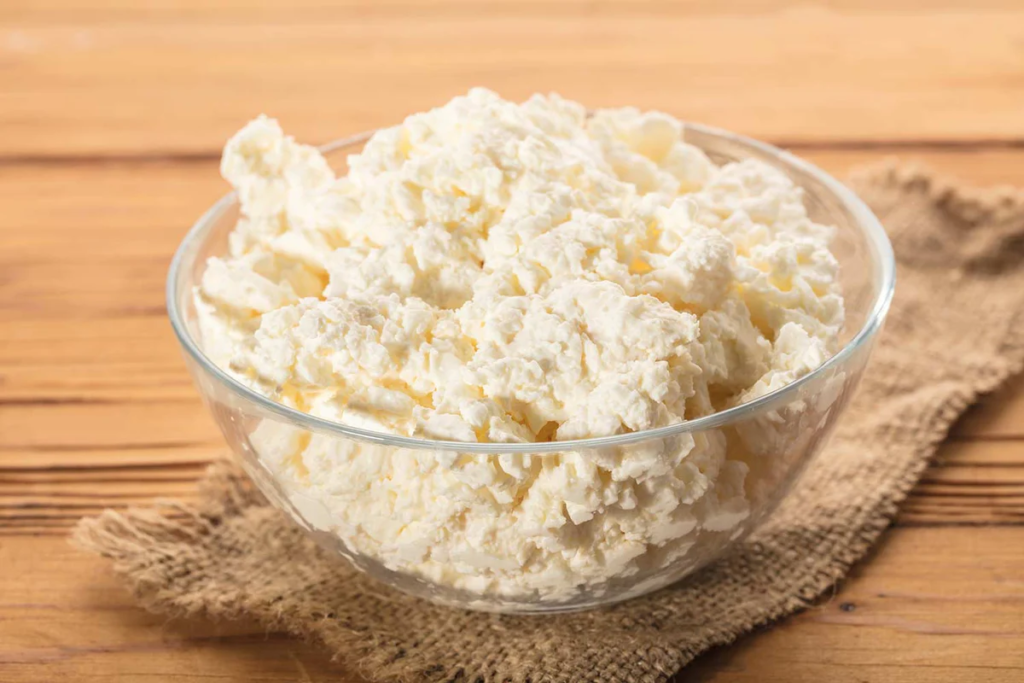
Soft and mild in flavor, cottage cheese is another excellent source of protein that requires zero chewing. It pairs well with mashed banana or a drizzle of honey if the plain flavor feels too bland.
12. Pudding and Gelatin
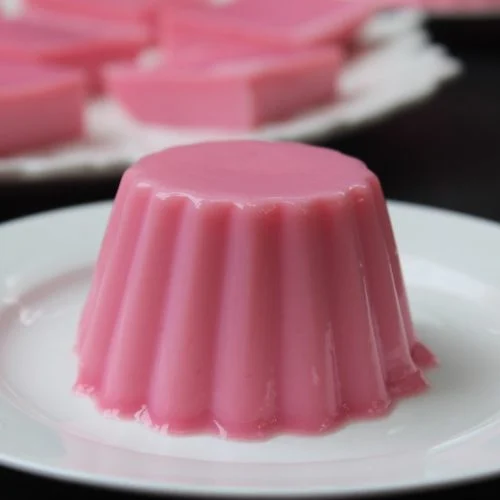
Classic, comforting, and completely chew-free. Pudding and gelatin (like Jell-O) doesn’t offer a ton of nutritional value, but during the first day or two when eating almost anything feels difficult, sometimes comfort is what the body need most.
13. Soft Tofu
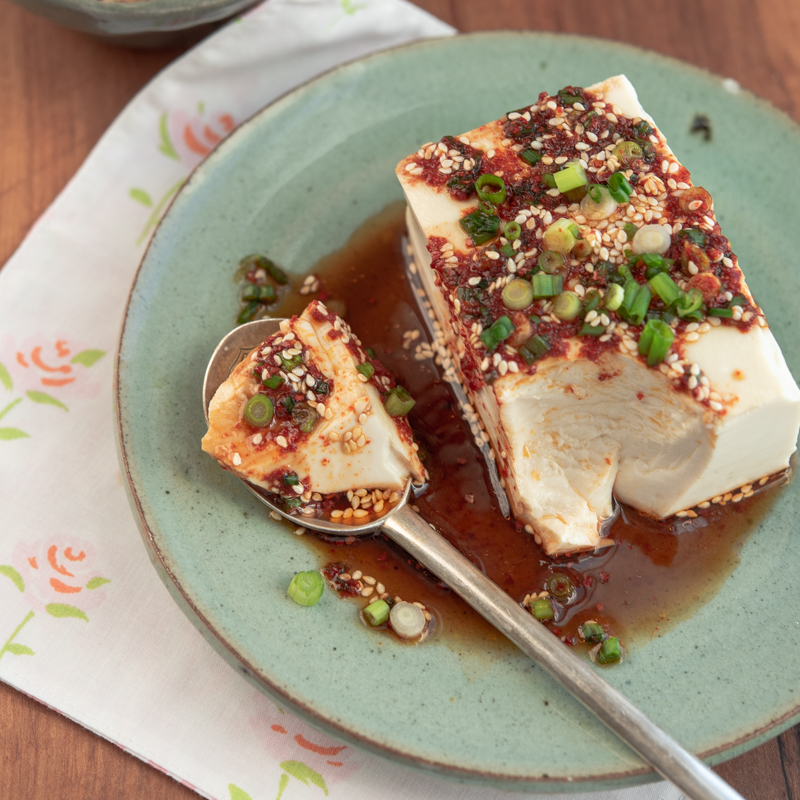
Silken tofu blends almost seamlessly into smoothies or can be eaten on its own with a light dressing. It’s an excellent plant-based protein source and the texture is completely smooth when handled properly.
14. Mashed Sweet Potatoes
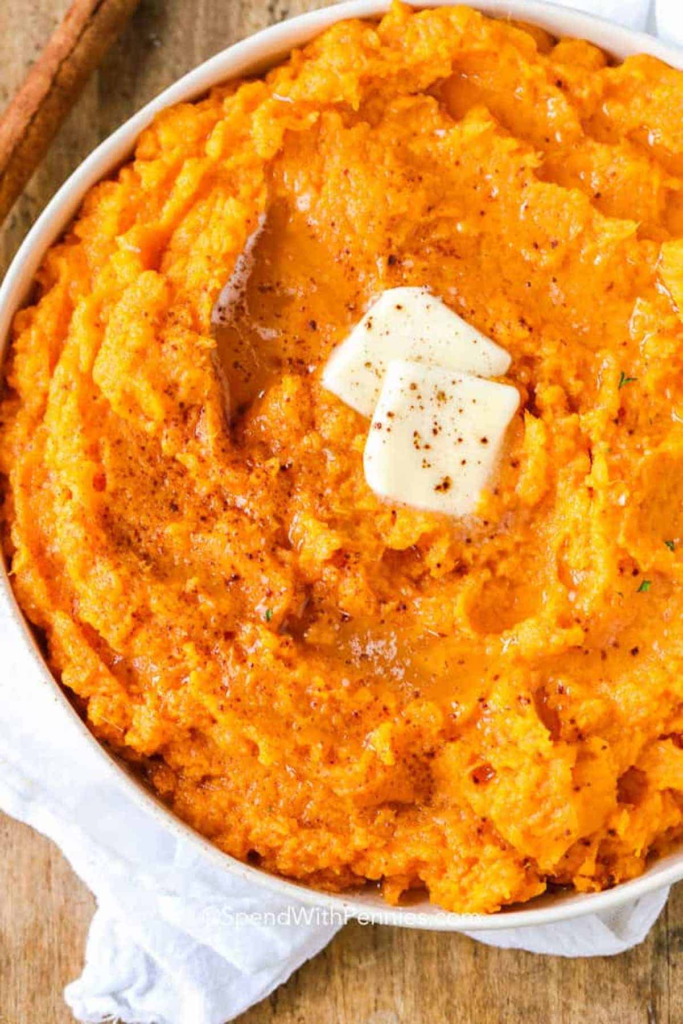
Similar to regular mashed potatoes but with the added benefit of beta-carotene and vitamin C, both of which plays a supportive role in immune function. Roast, peel, and mash with a little coconut oil or butter.
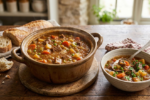
15. Soup (Pureed)
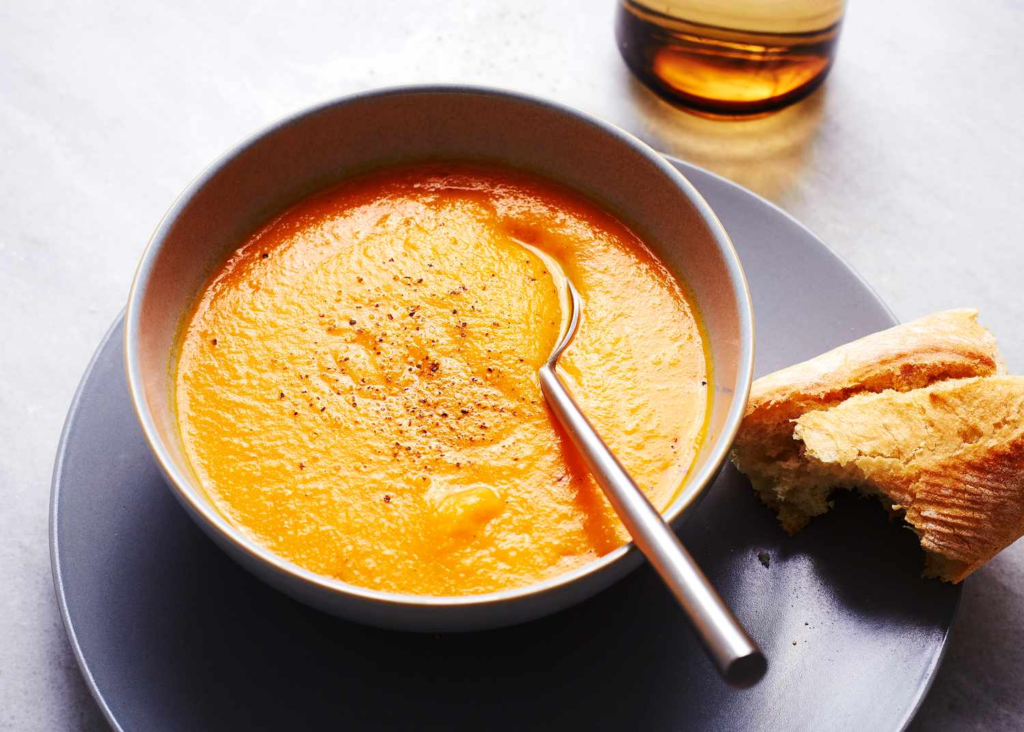
Pureed soups like butternut squash, tomato, or lentil are deeply nourishing and easy to consume. Ensure they are at a warm rather than hot temperature. According to nutritional guidance from Cleveland Clinic, liquid meals rich in nutrients help maintaining recovery energy without taxing the mouth.
16. Rice Pudding
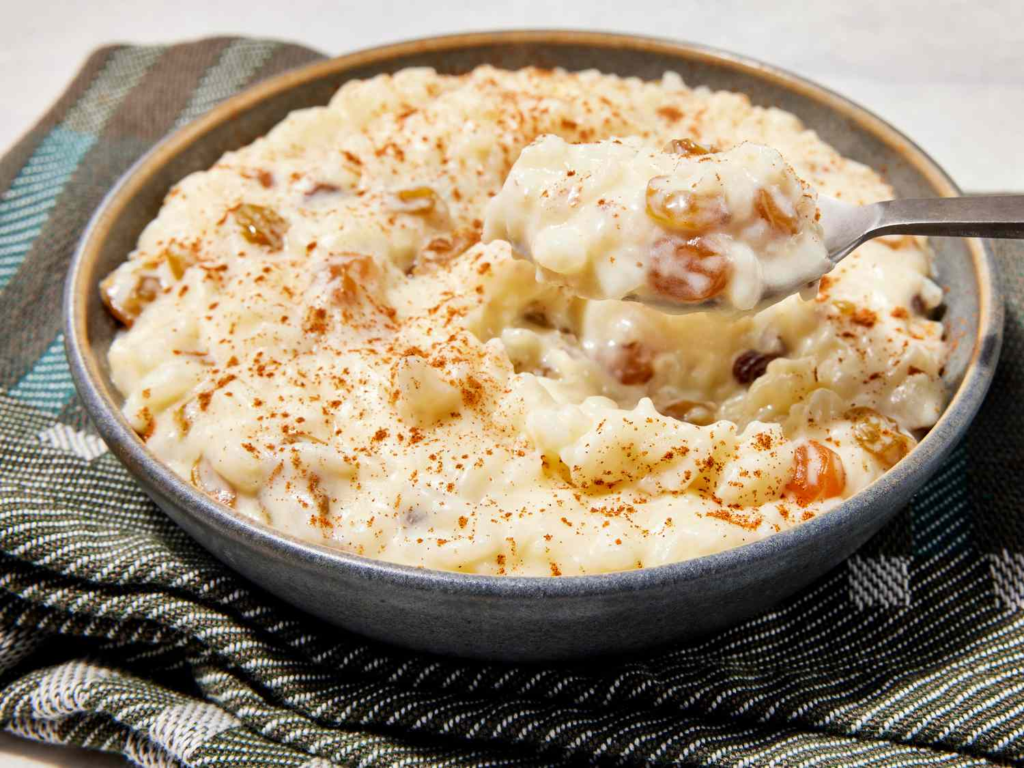
When cooked properly until creamy and thick, rice pudding is soft enough to eat comfortably within a few days of surgery. The soft rice grains are generally harmless as long as they aren’t packed into extraction sites.
17. Soft Cooked Fish
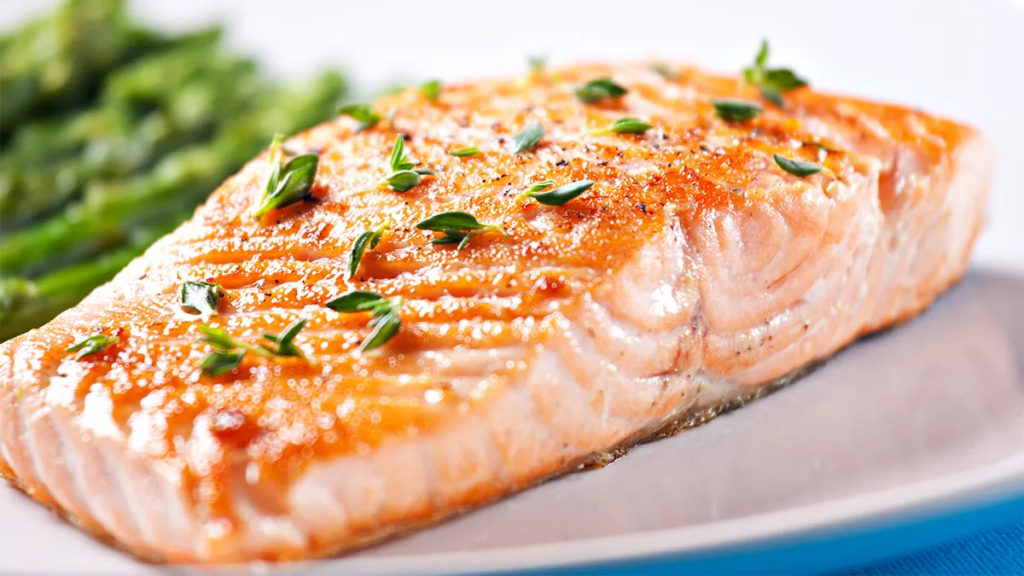
Fish like tilapia, cod, or salmon becomes very tender when baked or poached. Flaky fish requires almost no effort to eat and provides high-quality protein and omega-3 fatty acids that actively supports healing and reduces inflammation.
18. Blended Bean Soups
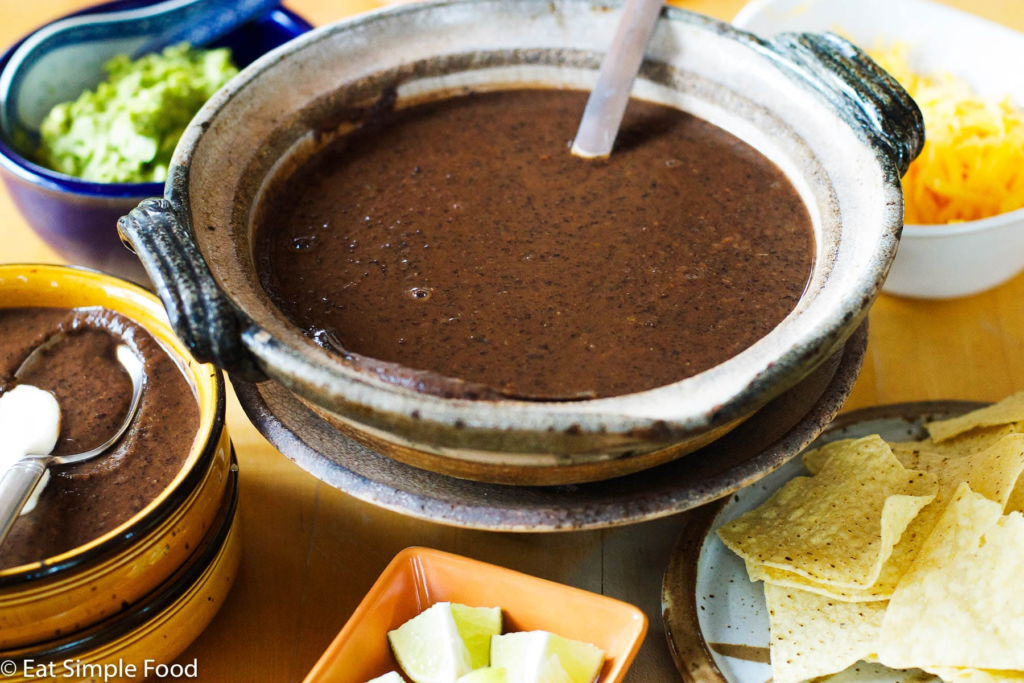
Beans puréed into a smooth soup offers an incredible amount of fiber and plant protein. Black bean soup, lentil bisque, or white bean purée are all excellent choices. Avoid any preparation that leaves large bean chunks in the bowl.
19. Soft Pancakes
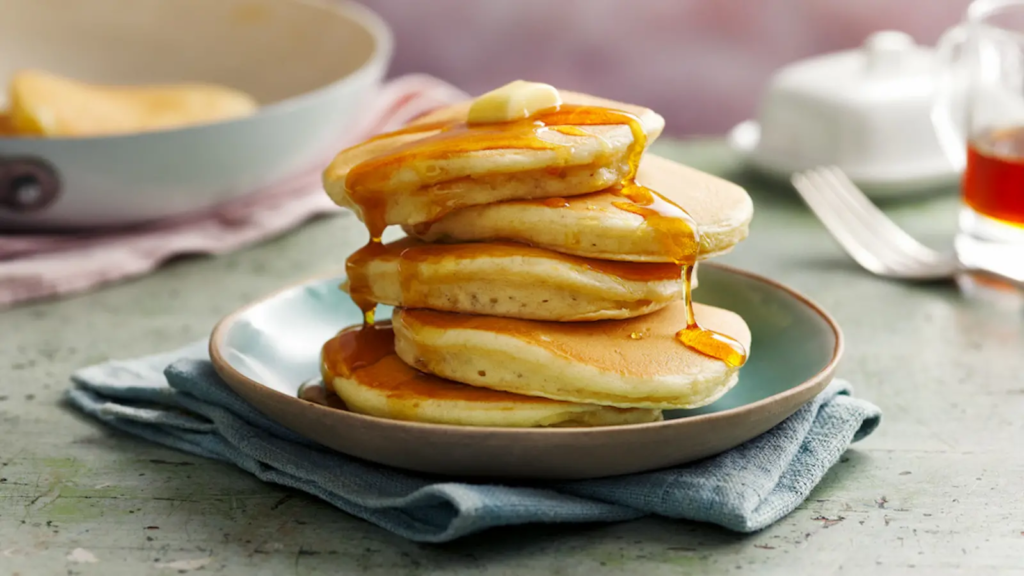
After the first couple of days, very soft, thin pancakes made with extra milk or a dairy-free alternative can be enjoyed carefully. Keep them plain and skip any crunchy mix-ins. Drizzle with honey rather than maple syrup for a bit of natural antibacterial benefit.
20. Ice Cream (Plain)
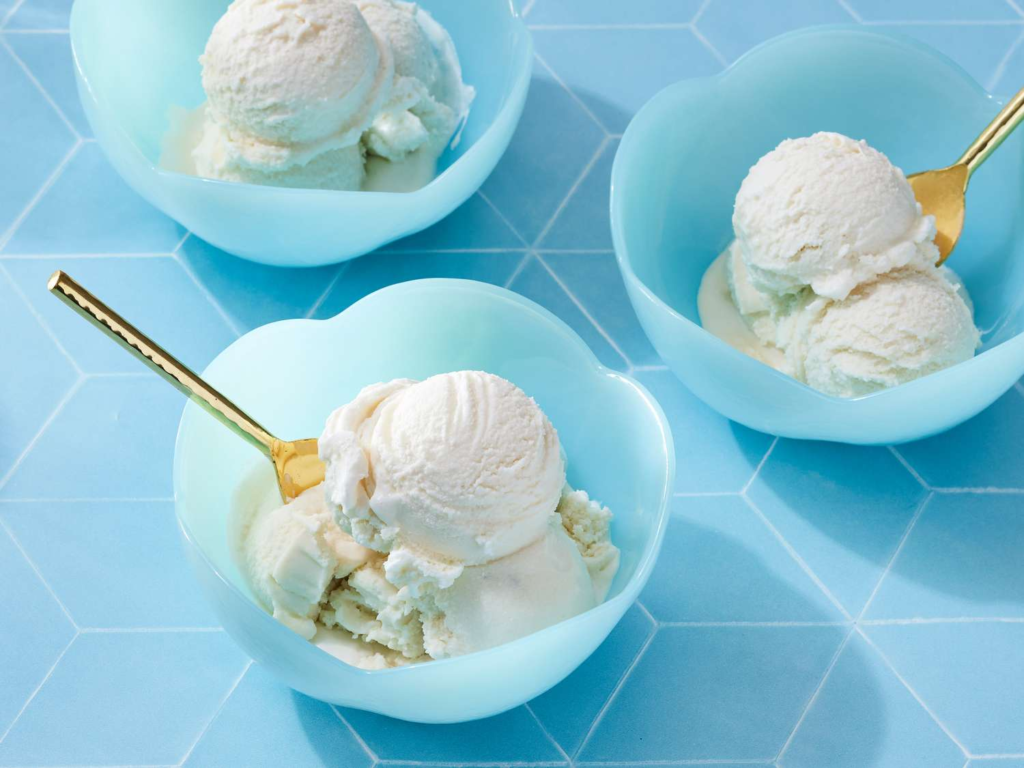
Yes, ice cream is generally acceptable and actually benefits from the cold temperature, which help reduce swelling. Stick to soft-serve or regular ice cream without chunky mix-ins, nuts, or hard candy pieces. Moderation is key, especially for patients monitoring sugar intake.
21. Refried Beans
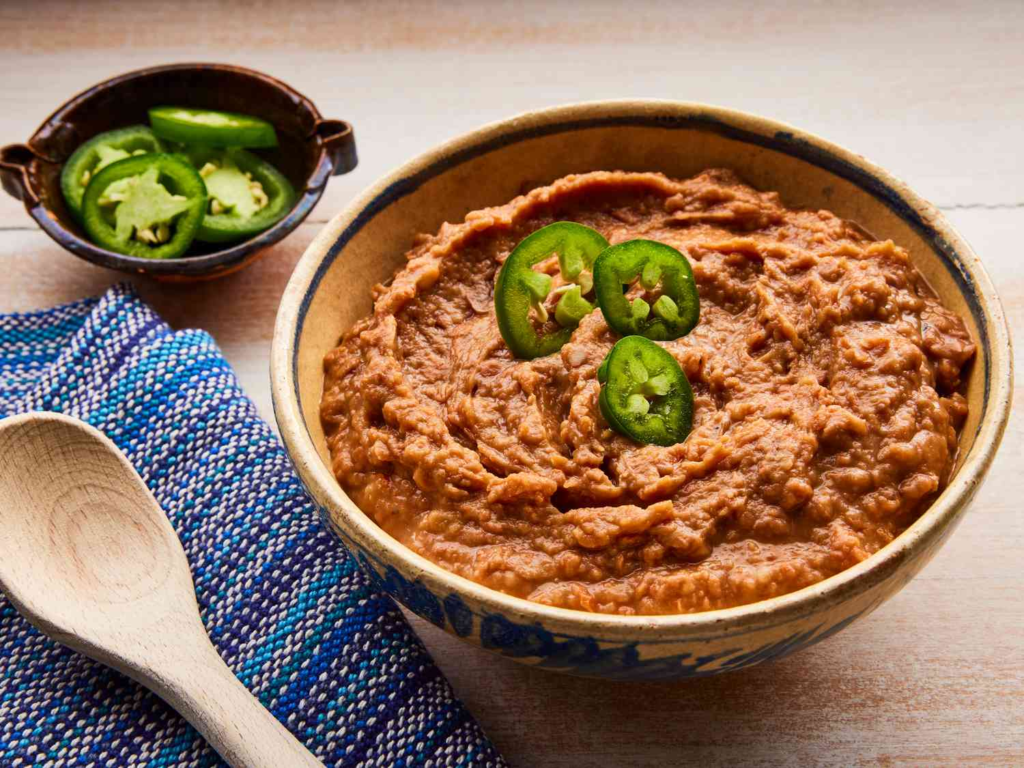
Smooth refried beans are one of the more underrated options on this list. They’re calorie-dense, protein-rich, and require no chewing at all. Season them lightly and eat at room temperature or slightly warm. They pair beautifully with a little shredded soft cheese stirred in once you’re further along in recovery.
Foods to Absolutely Avoid After Wisdom Teeth Removal
Knowing what to eat is only half the battle. Understanding what to avoid is equally critical. Stay far away from the following throughout the first week of recovery:
- Popcorn, chips, and crackers — tiny fragments easily get lodged in healing sockets
- Nuts and seeds — same problem, with added chewing pressure
- Spicy foods — can irritate healing tissue and delay recovery
- Alcohol — interfere with medication and increases bleeding risk
- Carbonated drinks — the bubbles creates suction-like pressure similar to straws
- Chewy candies or gum — pulls directly on healing tissue
The American Dental Association emphasize the importance of maintaining a clean, gentle oral environment after any extraction procedure.
Tips for Eating Comfortably During Wisdom Teeth Recovery
Beyond food choices, how you eat matters just as much. We recommend:
- Eating on the opposite side of your extraction sites for as long as possible
- Using a small spoon to control portion sizes and reduce mouth movement
- Rinsing gently with warm salt water after meals, starting 24 hours post-surgery
- Keeping foods at room temperature or slightly cool, particularly in the first 48 hours
- Eating frequent, smaller meals rather than large ones to maintain energy without taxing your jaw
Recovery doesn’t have to feels like punishment. With the right soft foods and a little preparation, the days after wisdom teeth removal can actually be a rare opportunity to slow down, rest, and nourish yourself with genuinely comforting meals.
A Note on Nutrition During Oral Surgery Recovery
Many patients makes the mistake of barely eating after wisdom teeth removal, assuming that less food means less risk. In reality, your body requires adequate nutrition to fuel the healing process. Protein is particularly important because it builds and repair tissue. Vitamins C and A support immune function and wound healing. And hydration is absolutely non-negotiable.
If you find swallowing difficult or eating remains painful beyond the fourth or fifth day, that is worth discussing with your oral surgeon. Complications like infection or dry socket sometimes requires additional treatment, and catching them early makes all the difference.