
Recovering from a tooth extraction is never fun. Your mouth is sore, your jaw feels tight, and the last thing you want to do is make a wrong food choice that sets you back. We know exactly how overwhelming it can feel to sit there wondering what can I eat after tooth extraction without causing pain, dryness, or that dreaded dry socket. This guide walks you through 15 genuinely comforting, healing-supportive foods that real patients have found helpful, along with the science behind why each one works.
Why Your Food Choices Matters So Much After Extraction
The days immediately following a tooth extraction are critical. Your body is working hard to form a blood clot in the socket, which acts as a protective layer over exposed bone and nerves. Disturbing this clot, through suction, heat, or rough textures, can leads to a painful complication known as dry socket. Beyond physical texture, the nutritional value of what you consume also plays a direct role in how quickly your tissue repairs itself.
According to the American Dental Association, maintaining proper nutrition after oral surgery support the immune response and reduces inflammation at the wound site. So your food choices aren’t just about comfort. They genuinely affect healing speed and complication risk.
What Can I Eat After Tooth Extraction: The 15 Best Options

1. Greek Yogurt
Greek yogurt is perhaps the single best post-extraction food available to most people. It is cold, smooth, protein-rich, and contains live bacterial cultures that support gut health during any antibiotic course you might be on. The coldness provides mild numbing relief, and the high protein content gives your body the raw material it need for tissue regeneration. Opt for plain varieties without fruit chunks or granola mixed in.
2. Applesauce
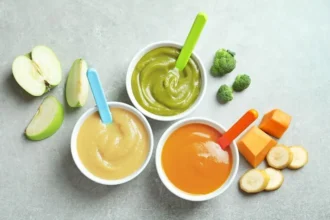
Store-bought or homemade, applesauce is an excellent way to get fiber and vitamins without requiring any chewing whatsoever. It slide down easily, causes no irritation to the extraction site, and the natural sugars provide a quick energy boost when eating feels difficult.
3. Mashed Potatoes
Mashed potatoes offers a heartier option for patients who find purely liquid foods unsatisfying. They’re warm (not hot), filling, and can be customized with butter or gravy for extra calories when your appetite is suppressed. Make sure the potatoes are completely smooth with no chunks that could irritate the socket.
4. Scrambled Eggs
Soft scrambled eggs are one of the most protein-dense foods you can eat in the early days of recovery. Cooked on low heat until they’re just barely set, scrambled eggs require almost no chewing and delivers a complete amino acid profile that your healing tissue actively craves. A light sprinkle of salt is fine but avoid heavily spiced preparations.
5. Avocado
Avocados are nutritionally exceptional, containing healthy monounsaturated fats, potassium, and vitamin K, all of which support vascular health and tissue repair. Mashed or eaten with a spoon, avocado has a creamy texture that requires zero chewing effort. Its caloric density is also a major advantage when eating larger volumes of food feels uncomfortable.
6. Banana
Ripe bananas are soft, easy to mash, and packed with potassium and vitamin B6. They require minimal chewing and can be combined with yogurt or blended into smoothies for a more substantial meal. Just make sure the banana is fully ripe since under-ripe bananas can be slightly firmer and starchy.
7. Smoothies
A well-constructed smoothie can delivers a significant nutritional punch without any chewing. Blend together Greek yogurt, ripe fruit, spinach, and a protein powder of your choice for a complete meal replacement. One important note: always drink smoothies with a spoon or sip gently from the cup’s edge. Using a straw creates suction that can dislodge the protective blood clot. This is among the most commonly misunderstood restrictions patients receives after extraction.
8. Broth-Based Soups
Bone broth and clear vegetable broths are warm, soothing, and rich in collagen, minerals, and electrolytes. They can be consumed carefully as long as they aren’t piping hot. Heat increases blood flow to the area and can actually disrupts clot formation. Let your broth cool to a warm, comfortable temperature before eating. Research published via the National Institutes of Health has explored the anti-inflammatory properties of collagen-based broths and their role in connective tissue recovery.
9. Cottage Cheese
Cottage cheese is soft, mildly flavored, high in protein, and easily tolerated by most patients. It can be eaten plain or blended with a small amount of honey for sweetness. The calcium content also supports bone healing around the extraction site, which matters more than most people realize.
10. Hummus
Smooth hummus, particularly varieties without whole chickpeas or chunky additions, is a surprisingly good recovery food. It contains healthy fats, plant protein, and complex carbohydrates. Pair it with very soft bread or simply eat it with a spoon in the first 48 hours.
11. Oatmeal
By day three or four, many patients feel ready for something slightly more textured. Oatmeal cooked to a very soft, creamy consistency offers fiber, iron, and sustained energy. Avoid crunchy toppings entirely. Soft-cooked oatmeal also holds warmth gently without reaching temperatures that damage healing tissue.
12. Pudding and Soft Desserts

Vanilla pudding, chocolate mousse, and similar soft desserts provides an easy calorie source during the first few days. While not nutritionally dense, they are psychologically comforting and easy to eat when pain suppresses appetite. Choose versions without hard candy pieces, nuts, or crunchy mix-ins.
13. Mashed Sweet Potatoes
Sweet potatoes offer a superior nutritional profile compared to regular white potatoes. They’re loaded with beta-carotene, vitamin C, and manganese, all nutrients that play a direct role in wound healing. Mashed smooth and served at a lukewarm temperature, they’re both satisfying and therapeutic for a recovering patient.
14. Gelatin and Jell-O
Plain gelatin desserts are surprisingly useful post-extraction foods. They require no chewing, are served cold, and the gelatin protein itself, while minimal, contribute to the structural repair of soft tissue. Avoid fruit-embedded versions that may contain hard pieces.
15. Ice Cream (Without Mix-ins)
Plain ice cream in soft, creamy flavors is one of the oldest folk remedies for dental discomfort, and there’s actually merit to it. The cold reduces local swelling, provides easy calories, and gives patients something genuinely enjoyable during an uncomfortable recovery period. Stick to plain flavors without nuts, cookies, or candies mixed in.
Foods You Must Completely Avoid After Tooth Extraction
Equally important to knowing what to eat is understanding what to avoid. Crunchy, hard, or spicy foods can fractures the blood clot or introduce bacteria to the wound. Alcohol interacts poorly with pain medications and slows healing. Carbonated beverages create micro-bubbles that may disturb the socket. Straws, as mentioned, generates suction. Extremely hot foods and drinks increase bleeding risk by dilating blood vessels near the wound.
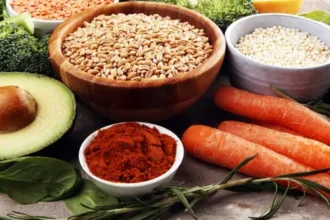
Sticky foods like caramel or gummy candies can physically pulls at sutures or clot material. Grains like rice or sesame seeds can lodge deep in the socket and become a bacterial breeding ground.
Nutritional Recovery: A Broader Perspective

Many patients focus so heavily on avoiding discomfort that they undereat during recovery, which is a genuine mistake. Caloric restriction slows cell turnover and weakens immune defenses. We strongly recommend tracking your intake loosely during the first three days and ensuring you’re meeting at least 70 percent of your daily caloric needs through the soft foods listed above.
Adequate hydration is equally non-negotiable. Water keeps tissue moist, flushes bacteria from the oral cavity, and supports every metabolic process involved in healing. Drink consistently throughout the day, gently, without straws.
Final Thoughts on Post-Extraction Eating
Understanding what can I eat after tooth extraction isn’t just a matter of finding something that doesn’t hurt. It’s about choosing foods that actively support your body’s natural recovery process while keeping the extraction site clean, protected, and free from irritants. Every item on this list has been selected for a specific reason, and together they represent a practical, well-rounded recovery diet for the first week after surgery.
If you experience worsening pain, unusual swelling, or suspect dry socket, contact your oral surgeon promptly. Food choices matter, but professional guidance matters more.