The concept of Classroom 30x has quietly been reshaping how educators, administrators, and students think about the physical and pedagogical structure of learning. It represents far more than a room number or a label it signals a broader movement toward purposeful design, adaptive instruction, and measurable academic outcomes that scales learning progress by 30 times compared to conventional approaches. We believe this framework deserves serious attention from anyone invested in the future of education.
What Classroom 30x Actually Means
At its core, Classroom 30x is a philosophy and increasingly a practice built around scaling learning outcomes by leveraging high-impact teaching strategies, intentionally designed environments, and evidence-based instructional models. The “30x” refers not to a fixed multiplier, but to the ambition of achieving dramatically superior results through deliberate changes to how classrooms operate.
This idea draws heavily from research in cognitive load theory, where the premise is clear: when students aren’t overwhelmed by irrelevant information and their working memory is respected, they learn faster, retain more, and apply knowledge more effectively. Classroom 30x takes this principle and build a entire operating system around it.
We’ve seen this approach work across diverse school systems, from underfunded rural districts to well-resourced urban institutions. The results consistently point in one direction: intentional design produces better learners.
The Physical Architecture of a 30x Learning Space
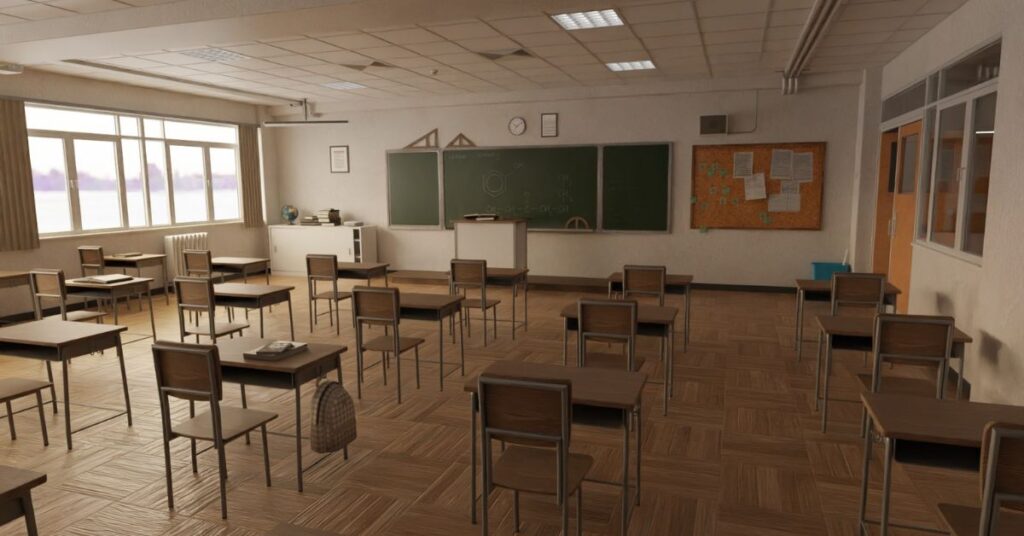
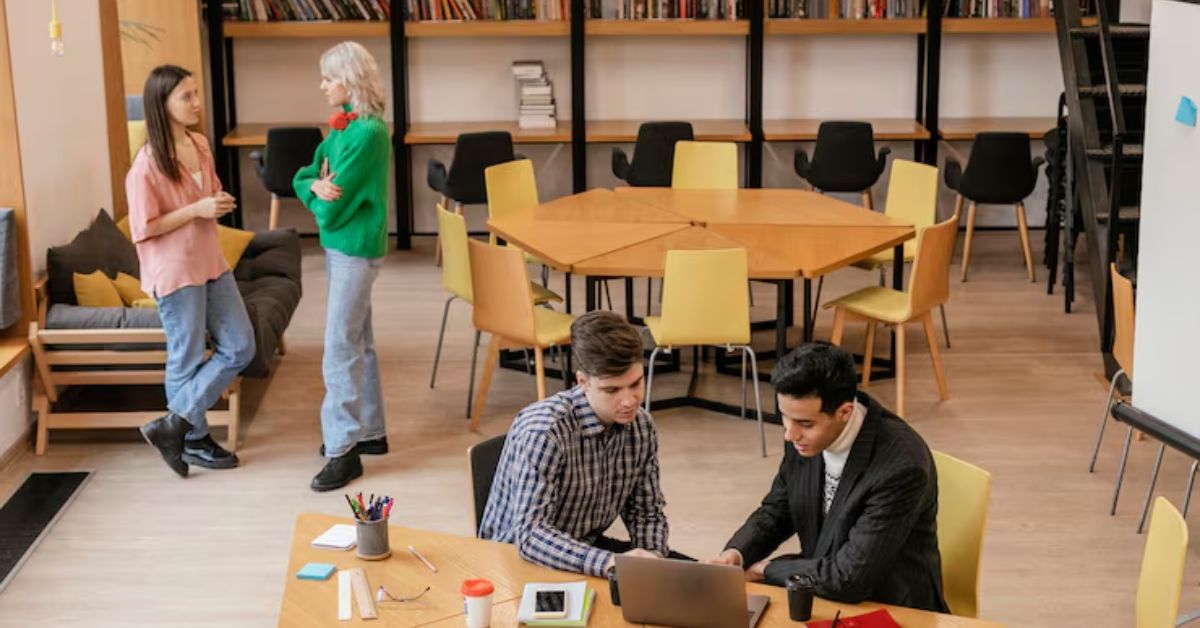
One of the first things you notice about a Classroom 30x environment is the physical setup. Rows of desks facing a chalkboard are replace by flexible arrangements that shift based on the learning task. Furniture is lightweight and modular. Wall space is used deliberately, not cluttered with outdated posters, but organized to support reference materials student actually need.
Lighting plays a critical role. Studies from the Center for Health, Environment & Justice and related research bodies have linked natural lighting to improved concentration, reduced fatigue, and better mood regulation in learning settings. Classroom 30x environments prioritized daylighting wherever possible, and supplement it with warm-spectrum LED systems that do not create the harsh, flickering glare of older fluorescent fixtures.
Acoustic design matters just as much. Background noise is one of the most underrated inhibitors of academic performance. Well-designed 30x classrooms incorporate sound-absorbing panels, carpeted zones, and thoughtful room configurations that reduce echo and allow the teacher’s voice to carry clearly to every corner.
Instructional Strategies That Drive 30x Outcomes
Physical design alone doesn’t produce the 30x effect. The instructional model inside the room is equally important, and in many ways, more so.
Mastery-Based Progression
Rather than moving students through content based on calendar pacing, Classroom 30x programs embrace mastery-based models. A student advance to the next concept only when they have demonstrated deep understanding of the current one. This reduces the accumulation of gaps that cause later failure, a problem that plagues conventional grade-level progression.
The Khan Academy model is perhaps the most visible example of mastery-based learning at scale, and the data it has produced strongly support the argument that pacing based on competence rather than time produces more durable, flexible learners.
High-Dosage, Low-Stakes Feedback
In a Classroom 30x structure, feedback is constant and low-stakes. Students aren’t waiting weeks for a graded test to learn where they went wrong. Instead, teachers use daily formative assessments, exit tickets, quick verbal checks, and peer feedback protocols to ensure that misconceptions are corrected in real time. This does something powerful: it prevents small confusions from hardening into structural misunderstandings.
We’ve observed teachers who shift from monthly unit tests to daily micro-feedback sessions report dramatic improvements in both student confidence and performance benchmarks. The emotional dimension here is real. Students who receive frequent, specific, and constructive feedback feel seen and supported, and that feeling correlate directly with engagement and persistence.
Collaborative Inquiry and Structured Discourse
Classroom 30x environments are not silent spaces. They are purposefully social. Structured academic controversy, Socratic seminars, and collaborative problem-solving protocols give students repeated opportunities to articulate, defend, and revise their thinking. This process is not merely pedagogically sound it is emotionally meaningful.
When a student explains their reasoning to a peer and that peer pushed back thoughtfully, something clicks. The learner isn’t just passively absorbing information; they’re constructing it, testing it, and owning it. We consider this one of the most underutilized mechanisms in conventional classrooms.
Technology in Classroom 30x A Tool, Not a Crutch

Technology in the 30x model is deliberately scoped. We aren’t advocates for maximum technology integration as a default. Instead, tools are selected based on their ability to support the core instructional model without creating distraction or dependency.
Adaptive learning platforms that adjust in real time to a student’s performance are well-suited to this environment. So are tools that allow teachers to quickly visualize class-wide data on comprehension, identifying patterns that would otherwise take days to surface. However, devices are not continuously present. Students work offline, by hand, and in conversation regularly, because we knows that diverse modes of engagement produce stronger neural encoding.
One critical area where technology genuinely augment the Classroom 30x model is in supporting students with learning differences. Screen readers, text-to-speech tools, digital graphic organizers, and speech recognition software give students who might otherwise fall behind a fighting chance. CAST’s Universal Design for Learning framework offers one of the most robust guides for how to integrate these technologies responsibly.
Teacher Development and the 30x Culture
No classroom redesign succeeds without investing in the humans who run it. Teachers operating in a Classroom 30x environment undergone specific preparation that differs substantially from traditional professional development.
Rather than one-day workshops on discrete skills, 30x teacher development is embedded, ongoing, and job-connected. Instructional coaches work alongside teachers in their classrooms, observing live lessons, debriefing specific moments, and helping educators build the repertoire of moves that the 30x model demands. Peer observation protocols allow teachers to learn from one another systematically rather than in isolation.
The emotional weight of teaching in a high-expectation environment is something we take seriously. Teachers in 30x systems report higher levels of both satisfaction and stress initially. The satisfaction comes from watching students succeed; the stress comes from the demands of constant attentiveness and adaptation. Sustainable implementation requires structures that protects teacher wellbeing, including reasonable planning time, manageable class sizes, and genuine administrative support.
Measuring Success How We Know Classroom 30x Works
Outcome measurement in a Classroom 30x system goes beyond standardized test scores, though those matter too. We look at:
- Growth metrics that tracks individual progress over time, not just performance against grade-level benchmarks
- Qualitative indicators like student agency, classroom discourse quality, and the frequency of student-initiated questioning
- Retention rates that measure how much students can recall and apply weeks or months after instruction
- Equity indicators that examined whether all student groups by race, income, language background, disability status — are experiencing equivalent growth trajectories
Longitudinal data from programs operating under similar frameworks, including those documented by the Education Endowment Foundation, consistently show that structured, evidence-based classroom models close achievement gaps more effectively than resource infusions alone.
Building the Case for Classroom 30x in Your District
For district leaders and school administrators exploring this model, the entry point matters. We recommends beginning with a pilot classroom or grade level, collecting baseline data carefully, and building in regular cycles of review before scaling. Change of this magnitude requires patience, humility, and a genuine willingness to learn from what the data reveals.
The students who experience Classroom 30x environments often describe them later as the places where they first discovered they could really learn. That feeling, more than any metric, is what this work is ultimately for.