
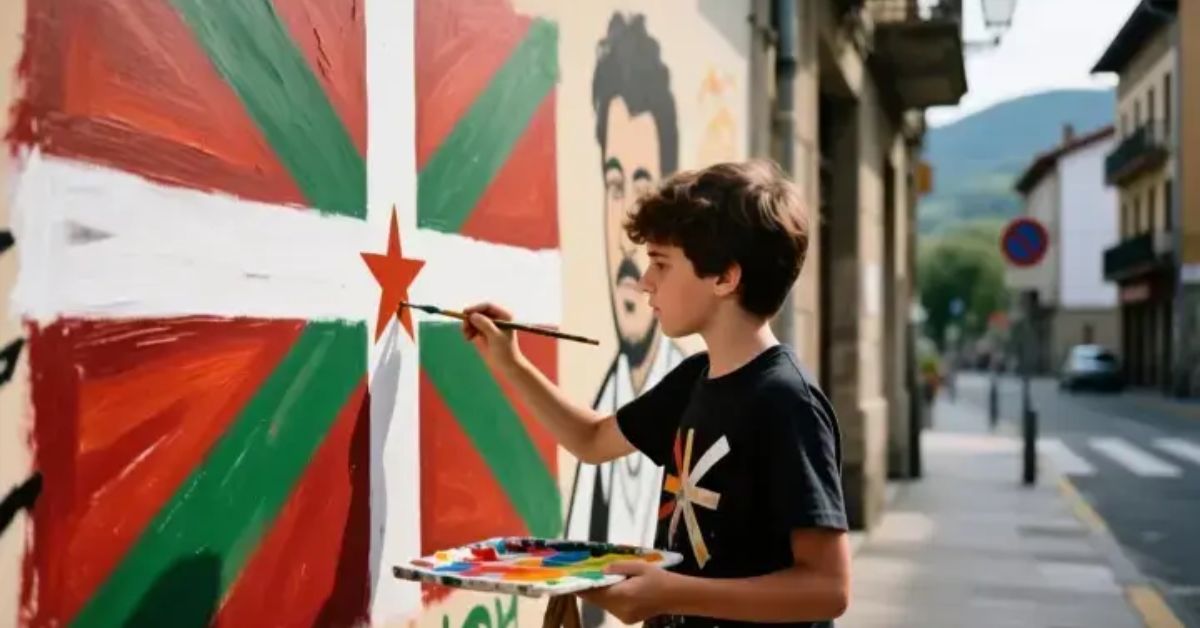
Basqueserpartists emerged from a region with a layered cultural memory, where the mountains meet the sea and communities built their identity carefully over centuries. We speak about a group of artists and artistic traditions that carry a powerful sense of belonging, loss, celebration, and sheer persistence. The word basqueserpartists itself may feel unfamiliar, yet it reflects how art in Basque territories ties to identity in ways that few other European cultures have manage.
Basque Art Through History and Cultural Survival
Basque artistic expression stretches back thousands of years, with prehistoric cave paintings in Ekain and Santimamiñe revealing how early inhabitants recorded animals, rituals and feelings. We see not only visual documentation but emotional instincts about environment and fear. As time moved forward, medieval craftsmanship and early religious art shaped monasteries and civic spaces, while maritime trades influenced iconography. We note that many basqueserpartists were working under pressures that tried to erase or reshape their identity.
There is also a significant era during the late nineteenth and early twentieth centuries where Basque sculptors and painters sought recognition beyond their homeland. These creators developed their voice while navigating political fractures and linguistic suppression. The Basque language was banned in many public spaces in the twentieth century, and artists responded through symbolism, abstraction and stubborn beauty. This period feels filled with heaviness and longing, and we feel that every brushstroke held quiet rebellion.
Cultural Identity and the Emotional Weight of Basqueserpartists

We often speak of identity as static, but for basqueserpartists it has been dynamic, reactive and deeply personal. Their works show nostalgia for rural life, storms over the Bay of Biscay, fishermen battling waves, dancers in village celebrations and the solemn architecture of farmhouses. The cultural imagery sparks empathy because it reflect what many Basques feared losing.
There is a cultural ache that runs through many paintings and sculptures from exiled creators. Families separated during conflicts, language prohibited in classrooms, cultural ceremonies dismissed as backwards. We read their sculptures of rough stone that communicates a sense of hardness in life. We are moved by portraits with intense eyes that look like they are resisting erasure. When art carries such burdens, the grammar of creativity becomes raw and imperfect, and that imperfection resonates.
Major Figures Who Shaped the Basque Artistic Landscape
Several well known figures laid foundations for modern Basque art. Jorge Oteiza became famous for his sculptural experiments with voids and volumes. He believed emptiness was not lack but presence. Eduardo Chillida worked with steel and iron, bending heavy industrial materials into forms that felt organic. Their work carry emotions that words struggle to express.
Painters such as Ignacio Zuloaga portrayed rural Basque landscapes and characters with dignity but sometimes harsh realism. Others moved toward abstraction after the trauma of war. Some basqueserpartists relocated to Latin America or France, creating diaspora communities that preserved traditions far from home. We observe that artistic migration added both sadness and expansion. It was a wound but also a thread connecting continents.
Euskara, Symbolism, and Shared Imagery
The Basque language, Euskara, influences artistic symbolism as well. Titles of paintings or sculptures often preserve dialect forms. Language becomes visual, not just spoken. The Basque flag appears in modern street art, traditional wood carving and digital design. Mythical creatures from Basque folklore also appear in art: Mari, the powerful earth deity; the lamia water spirits; and giants that inhabit forests.
This shared imagery helps viewers feel part of a narrative that is older than current borders. The heart and stomach respond to these images because they awake childhood stories told by grandparents. We feel belonging even if we do not speak Euskara fluently. These details help basqueserpartists stand out among European art scenes that sometimes feel detached from lived culture.
Public Art, Museums, and Community Memory
The twentieth century saw more institutional recognition. Museums in Bilbao, San Sebastian, Vitoria-Gasteiz and Biarritz curated exhibitions that spoke directly about Basque artistic autonomy. The Guggenheim Bilbao galvanized international curiosity toward the region. Yet local community spaces also play a role. Village festivals commission murals. Fishermen associations preserve hand carved ship figureheads. Schools teach carving and weaving to younger generations so traditions do not disappear.
Public art installations in coastal cities feel like collective memory made visible. When heavy winds hit the promenade sculptures, we see defiance and tenderness together. People gather near these monuments during storms because they reflect the stubborn spirit of the region.
Basqueserpartists in the Modern and Digital Age
Digital media created new possibilities for contemporary basqueserpartists. Photographers document protests for environmental protection. Illustrators reinterpret legends with neon colors. Street artists stencil Euskara phrases onto train tunnels. Some creators collaborate with video game studios to integrate folklore into fantasy landscapes. This mixture of heritage and technology feels risky and exciting.
We note that many emerging artists grapple with tourism and gentrification. Their work comment on losing neighborhoods, economic anxiety and cultural commercialization. Emotions of frustration and grief color the canvas. Yet they also show humor, as satire posters mock political hypocrisies and identity debates.
Today, academic platforms and cultural organizations support research on Basque aesthetics. International art students travel to the region to explore how minoritized cultures reinvent themselves through creativity. Articles and galleries online help spread knowledge beyond local boundaries. For further exploration on global art histories readers sometimes visit resource pages like the one on the Metropolitan Museum of Art which offers open access essays on European movements: https://www.metmuseum.org/toah/. Likewise, context on minority languages can be found via Endangered Languages Project resources at https://endangeredlanguages.com/. For historical conflict timelines, Britannica provides structured reference at https://www.britannica.com/.
The Emotional Dimension of Cultural Resilience
What sets basqueserpartists apart is not merely visual style but emotional range. Resilience here is not a slogan but a lived response to political exile, banned language, cultural ridicule, migration and industrialization. We feel the pulse of community choirs, the sound of txalaparta drums, the rhythm of village dances, and that sonic memory appears inside visual artwork as well. It is strange but real how images can recall sound.
Generations carry unspoken trauma in their bodies. Art sometimes becomes therapy and testimony. Museums and street art alike help people process collective pain. We see spectators cry quietly in front of photographs from the 1930s bombings. We see children smile at sculptures that look like friendly giants guarding the harbor. Those are emotional dialogs that bind community across time.
Basque cultural resilience has always been tied to agency. Even when laws tried to silence voices, artists kept creating. They painted on fabric scraps, carved wood in barns, whispered songs at family tables. Today their descendants display works proudly in galleries, proving that cultural identity may bend but does not vanish.
Conclusion
Basqueserpartists represent a lineage of creators who fuse heritage, language, struggle and imagination. Their works move between past and present, carrying sorrow but also fierce pride. As long as Basque communities cherish their stories and languages, this artistic tradition will continue evolving with honesty. We watch as new artists step forward with digital brushes and iron tools, confident that creativity remains a vessel for memory and solidarity. The Basque artistic journey feels unfinished, like a sculpture still taking shape, and that unfinishedness feels strangely comforting because it promises more life.