

The term Adacanpm has been appearing across discussions, forums, and niche communities where efficiency and smarter workflows matter. Many people see the name, yet very few actually know how to make the most of it. We spent a lot of time testing practical uses, small tricks, and strategies that actually help everyday users get more value from Adacanpm.
Some of these techniques look simple at first glance, but once applied consistently they make a surprising difference. A few of them even changed how our own team works day to day, though honestly we didnt expected that result at first.
Below are seven powerful Adacanpm hacks that most users overlook, even though they are easy to implement.
Why Adacanpm Is Gaining Attention
Before exploring the hacks, it helps to recognize why Adacanpm has started appearing in more digital spaces.
Users appreciate systems that simplify tasks without requiring complicated setups. Adacanpm falls right into that category. It allows people to organize processes, monitor actions, and reduce repetitive work in ways that feel surprisingly natural. Many communities that discuss workflow improvement often highlight tools and frameworks that reduce friction in everyday operations.
For example, resources like the Harvard Business Review productivity research explain how structured systems can significantly improve task completion and decision making. Adacanpm follows a similar philosophy, though many users fail to exploit its full potential.
The good news is that most improvements dont require advanced technical skills. They simply require a better strategy.
Hack #1: Build a Micro Workflow Instead of One Large System
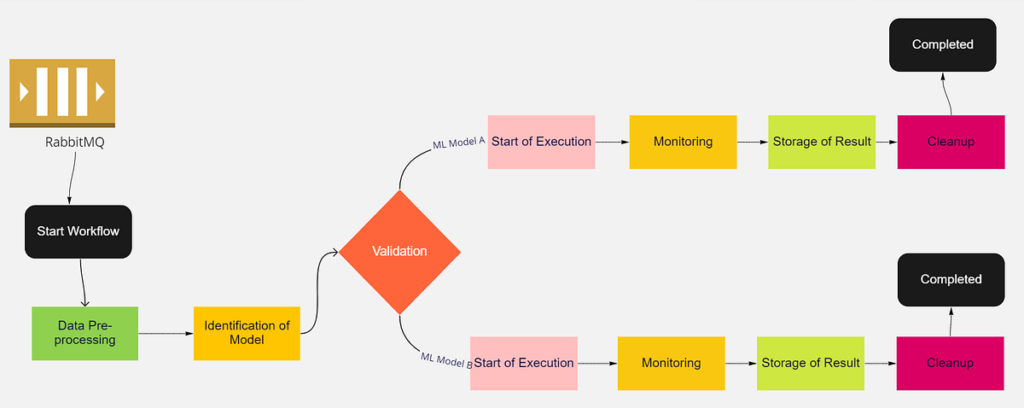
Many users try to run everything through one big structure. That approach usually fails.
A better strategy is creating small modular workflows inside Adacanpm. Each workflow should handle only one category of task. When everything sits inside one massive pipeline, confusion builds up quickly and people stop trusting the system.
A micro workflow approach allows teams to adapt quickly when things change. If one process breaks, the entire system doesnt collapse.
We discovered that teams who structure their Adacanpm environments in small sections tend to complete tasks faster. It sounds simple, but most people skip it and then wonder why their system feel messy.
Hack #2: Turn Repeating Tasks Into Automated Triggers
Repetition drains attention and focus. Adacanpm can remove a lot of that mental load.
Instead of manually running identical tasks every day, users can create automated triggers that execute when certain conditions appear. This works especially well for recurring administrative processes.
Research on automation and productivity from McKinsey & Company shows that even partial automation dramatically reduces operational fatigue.
Many people only automate obvious actions, but deeper automation brings bigger gains. For example:
- Automatically generating reports
- Triggering reminders when deadlines approach
- Updating task states after completion
Once these triggers are configured correctly, the system almost runs itself. Though sometimes the first setup feels confusing and people quit too early.
Hack #3: Use Priority Weighting for Smarter Task Sorting
Not every task deserves equal attention. Yet most people treat them exactly the same.
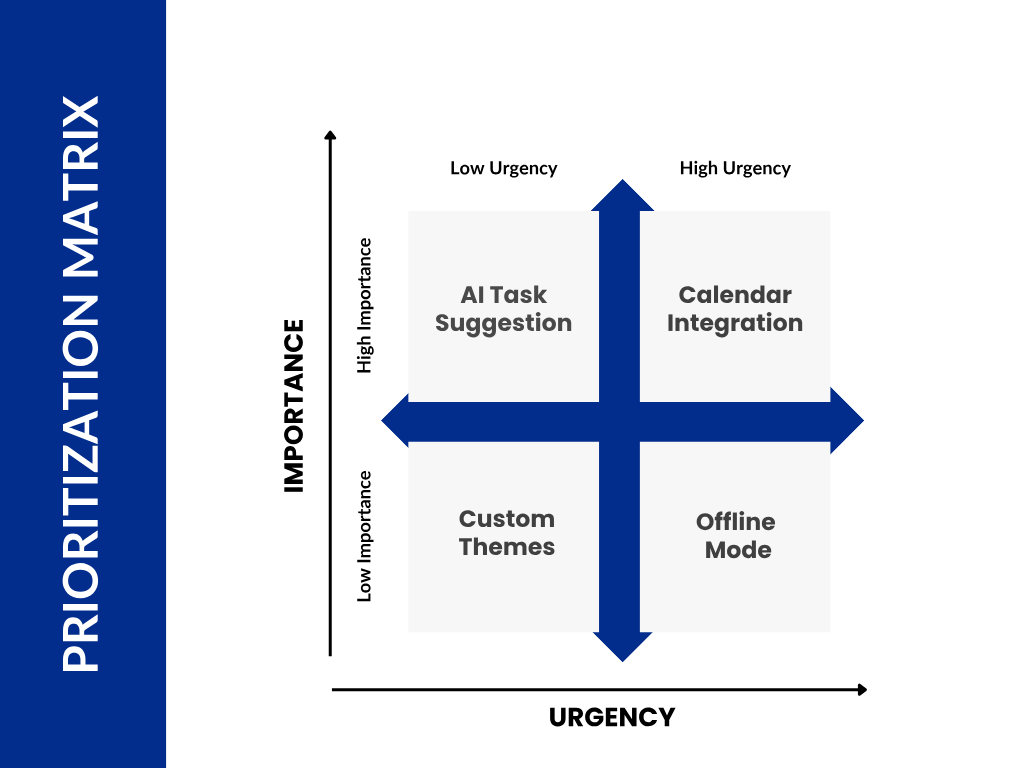
Inside Adacanpm, tasks can be assigned priority weighting rather than simple labels. This creates a hierarchy that helps users decide what should happen first. When teams ignore prioritization, productivity quickly drops.
A framework similar to this method is discussed in the Eisenhower Matrix productivity model, which categorizes work by urgency and importance.
Applying this logic inside Adacanpm makes decision making much faster. Instead of asking “what should we do now”, the system already suggests the next move.
Sometimes teams argue about priorities though, and thats normal. The key is keeping the structure consistent.
Hack #4: Track Behavior Patterns Inside Your Workflow
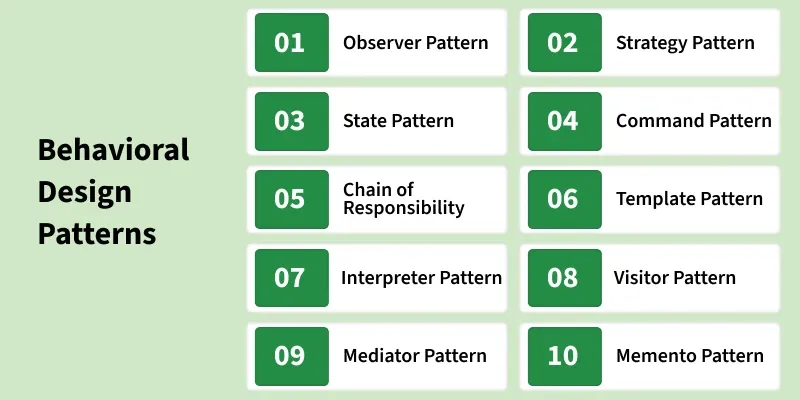
One overlooked feature of Adacanpm is behavioral tracking. Most users only focus on tasks, but the patterns behind the tasks matter just as much.
By monitoring how tasks move through the system, teams start noticing interesting habits. For example:
- Certain tasks always stall at the same stage
- Deadlines often shift during the same time of week
- Some team members handle specific processes much faster
Once these patterns appear, improvements become easier to plan.
Studies from behavioral science research by the American Psychological Association highlight how behavioral observation often reveals productivity barriers that traditional metrics miss.
We noticed the same thing. The system didnt change, but our understanding of work improved.
Hack #5: Create Decision Templates for Frequent Choices
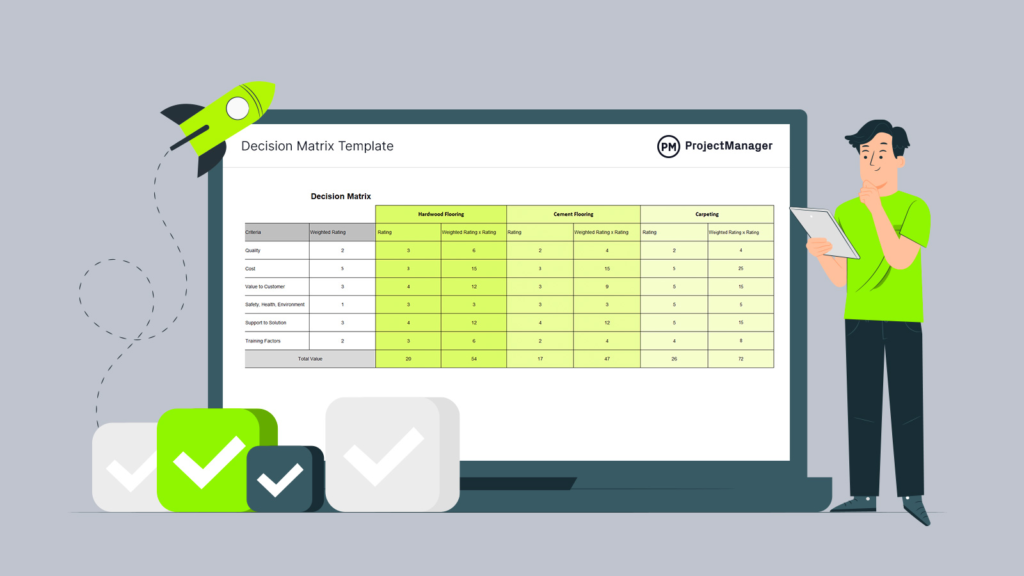
Teams waste huge amounts of time making the same decisions again and again.
Adacanpm works much better when common choices are stored as decision templates. These templates act like pre-approved instructions that guide users toward consistent actions.
Examples include:
- approval steps
- project kickoff procedures
- review checkpoints
When someone faces a familiar situation, the template already provides direction. It removes hesitation and confusion.
At first some people resist templates because they feel restrictive. But after a few weeks they realize it actually reduce stress a lot.
Hack #6: Combine Adacanpm With External Knowledge Sources
Adacanpm becomes significantly more useful when paired with external learning resources. Many users limit themselves to internal data only.
Linking knowledge from credible platforms allows teams to make more informed decisions. For example, integrating research insights from project management skill frameworks helps teams align workflows with proven methodologies.
The system then becomes not just a task manager but also a knowledge hub.
Some teams even attach documentation, training guides, and performance notes inside the workflow environment. That way new members can learn faster without constantly asking questions.
Hack #7: Schedule Weekly Workflow Audits
Even the best system eventually drifts into chaos if nobody reviews it.
A weekly Adacanpm audit prevents that problem. During this review, teams should examine:
- unfinished tasks
- outdated triggers
- redundant workflows
- shifting priorities
These audits dont need to be long. Sometimes 20 minutes is enough.
Still, skipping these reviews slowly breaks the structure. Tasks accumulate, confusion grows, and people begin ignoring the system. When that happens, the original purpose of Adacanpm disappears.
Our own team once skipped audits for a month and the workspace became messy real quick. Cleaning it later took way more time than expected.
Final Thoughts on Using Adacanpm More Effectively
Many users assume that tools alone improve productivity. In reality, the strategy behind the tool matters more.
Adacanpm works best when people treat it as a living workflow rather than a static platform. Small adjustments, behavioral tracking, automation, and consistent audits keep the system useful over time.
The hacks above may look modest individually, yet together they create a structured environment where work flows more smoothly. When applied correctly, Adacanpm becomes less about managing tasks and more about guiding smarter decisions.
And honestly, once these habits form, going back to chaotic workflows feels almost impossible.