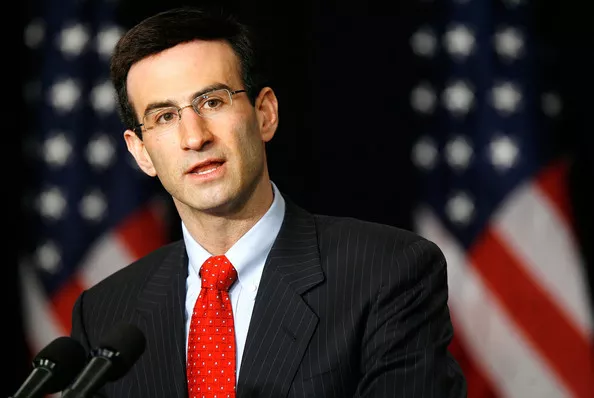
Public figures rarely expect their hairstyle to become a cultural conversation. Yet Peter Orszag Hair has turned into a surprisingly persistent topic across political commentary, media discussions, and social platforms. The former U.S. Office of Management and Budget director and current financial executive has spent decades influencing fiscal policy and economic debate. However, an unusual detail keeps resurfacing whenever his name appears in headlines: that famously distinctive hair.
People analyze leadership in strange ways sometimes. Appearance, posture, even small quirks can turn into symbolic traits. With Orszag, the hair has almost become a recognizable signature. Many observers talk about it with humor, curiosity, and sometimes admiration.
This article examines the background, public reactions, cultural symbolism, and why Peter Orszag Hair keeps generating attention in 2026.
Peter Orszag Hair and the Rise of an Unexpected Public Curiosity
Peter Orszag built his reputation through economics, not style. Educated at Princeton and the London School of Economics, he quickly became known for policy analysis and fiscal strategy. During the Obama administration, his role leading the Office of Management and Budget placed him in front of cameras frequently.
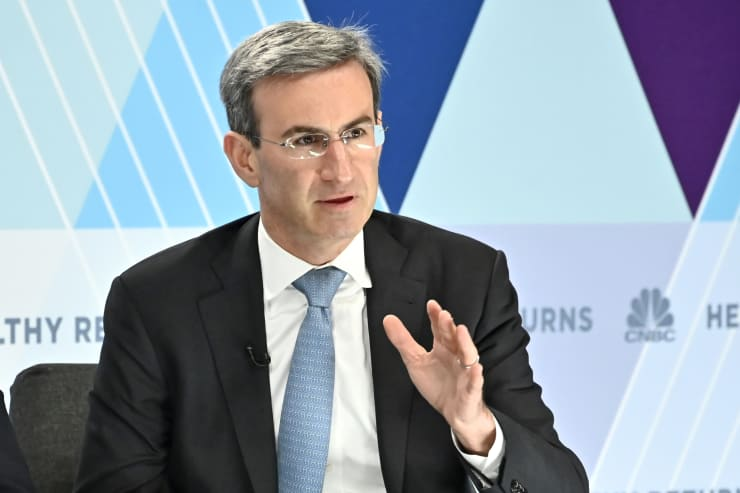
When someone appears on television often, audiences begin noticing small details. In Orszag’s case, his hair stood out almost immediately. It carried a slightly unruly wave and a texture that refused to sit perfectly flat. Viewers started mentioning it in online discussions, sometimes joking that the hair seemed as busy as the economic debates he was involved in.
Political analysts rarely expected that hairstyle discussions would appear beside topics like healthcare reform or budget deficits. But media culture works in unpredictable ways. Commentators noticed it, bloggers wrote about it, and gradually the phrase Peter Orszag Hair began circulating across search engines.
Why Peter Orszag Hair Became a Recognizable Public Image
A Style That Never Looked Overly Polished
One reason the hairstyle attracted attention is its natural look. Many political figures maintain very controlled grooming. Hair rarely moves, every strand seem placed carefully.
Orszag did not follow that pattern exactly. His hair appeared slightly windblown at times, occasionally fuller than expected under studio lights. That small imperfection made him appear approachable to many viewers. Some even felt it signaled authenticity. Others simply thought it looked amusing.
Either way, people kept noticing it again and again.
A number of discussions on political image management even referenced hairstyle perception in leadership roles. Research about appearance and public trust is frequently explored in academic fields like political psychology. Readers curious about how visual cues affect credibility can review studies published through the American Psychological Association at https://www.apa.org.
Television Amplifies Small Visual Traits
Frequent media appearances often amplify subtle features. Lighting, high definition cameras, and repeated broadcasts make every detail more visible. When Orszag appeared on major networks discussing fiscal policy, his hairstyle remained consistent.
Consistency builds recognition. Over time audiences subconsciously associated the look with his analytical presence on television.
The hair became almost a visual shorthand. Viewers saw it and immediately recognized the economist speaking about federal budgets or financial regulation.
Cultural Reactions to Peter Orszag Hair
Social Media Humor and Commentary
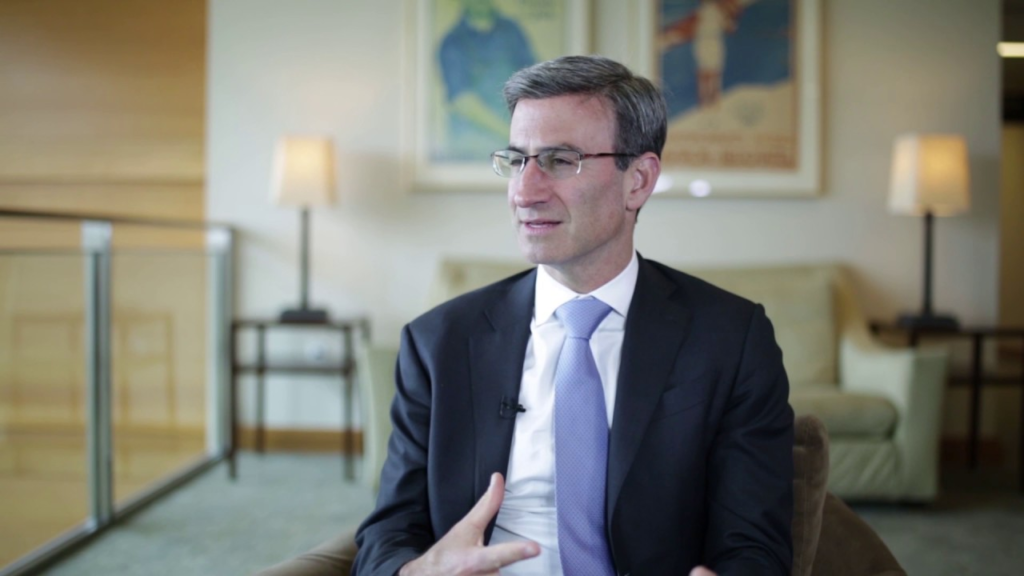
Social media has played a massive role in spreading commentary around Peter Orszag Hair. Platforms like Twitter, Reddit, and political forums often highlight visual quirks of public figures.
Sometimes the posts are playful. Users compare the hairstyle to windswept academic professors or late night policy debates that lasted too long. Occasionally memes appear, though most remain relatively harmless.
Internet humor tends to amplify unusual characteristics. Once the conversation began, it did not really stop.
Media Profiles Occasionally Mention It
Some long form profiles about Orszag mention his appearance as a small detail describing his personality. Journalists often include visual cues to make interviews feel vivid for readers.
Articles discussing political leadership style frequently analyze personal presentation. Publications covering policy leadership and economics occasionally note how public figures carry themselves during high pressure discussions.
Readers who want broader context about political leadership trends can explore resources provided by the Brookings Institution, a respected think tank analyzing public policy. Their research can be found at https://www.brookings.edu.
Peter Orszag Hair and the Psychology of Public Attention
Why People Notice Hair So Easily
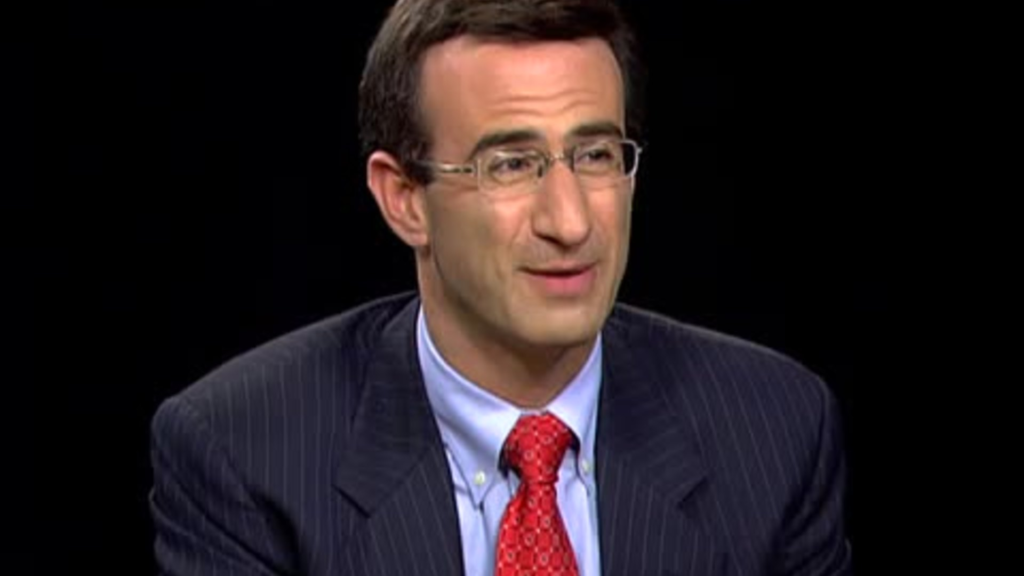
Hair is one of the first physical traits people observe when meeting someone. Psychologists often describe it as a framing feature for the face. Slight changes in hairstyle can alter how individuals appear to audiences.
Public figures therefore become subjects of intense visual scrutiny. Politicians, economists, and television analysts all experience this phenomenon.
When the hairstyle remains distinctive, audiences remember it. That recognition helps create personal branding, even if unintentionally.
Academic discussions on visual identity often reference broader research about appearance perception. For readers exploring this topic further, materials available through Harvard University’s social science research library provide interesting background studies: https://library.harvard.edu.
Authenticity Versus Perfect Image
There is also an emotional component involved. Perfectly styled public figures sometimes feel distant to viewers. Slightly imperfect presentation can produce the opposite reaction.
Some commentators argue that Peter Orszag Hair contributed to a sense of intellectual authenticity. The look suggested someone focused more on complex spreadsheets than hair gel.
Of course this interpretation is subjective. Different viewers see different signals in the same visual cue.
Has Peter Orszag Ever Commented on His Hair?
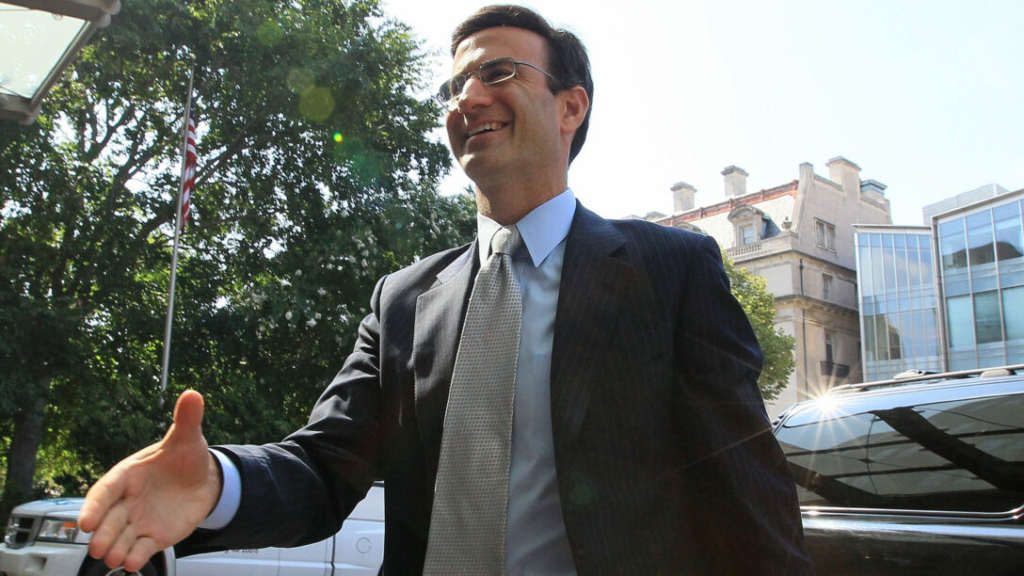
Public statements directly addressing the hairstyle are rare. Orszag generally focuses on economic topics during interviews and panel discussions. Budget projections, financial markets, and regulatory policy dominate the conversation.
However, journalists occasionally ask lighthearted questions. When that happens, he tends to respond with humor or simply move back to policy discussion.
This response itself may explain why the topic continues circulating. The absence of a dramatic reaction leaves space for public curiosity to grow.
Those interested in his professional career can explore detailed profiles published by organizations like Bloomberg, where Orszag has held leadership roles in financial advisory services: https://www.bloomberg.com.
Peter Orszag Hair in 2026: Why The Conversation Continues
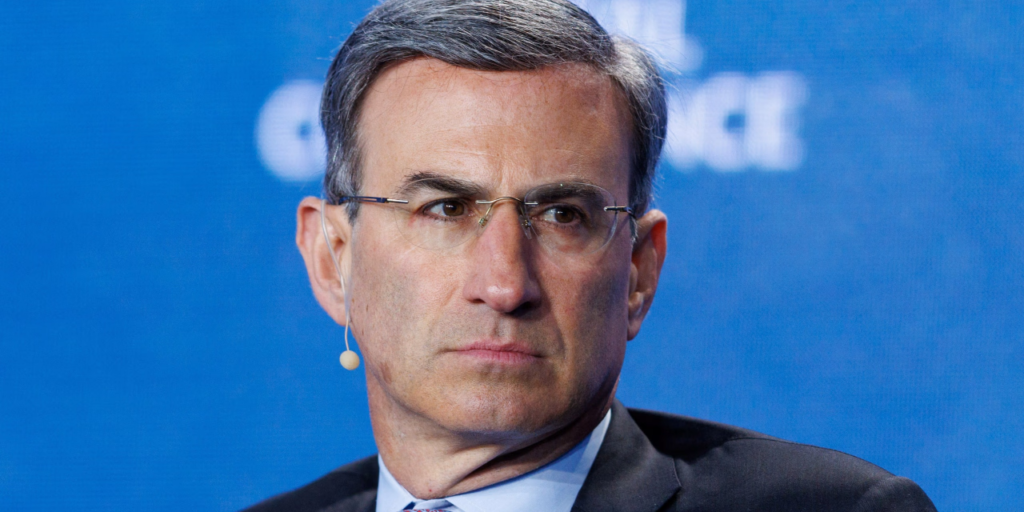
Several factors explain why the phrase Peter Orszag Hair still trends in searches today.
First, nostalgia plays a role. People remember figures from the Obama administration era and revisit stories about them.
Second, visual identity matters in digital culture. Memes, screenshots, and television clips circulate widely across platforms.
Third, human curiosity never disappears. When a distinctive feature becomes associated with a well known figure, discussion tends to continue for years.
Some conversations are serious, others clearly playful. Yet they all point to a larger truth about media culture: even small details can become lasting parts of a public persona.
Final Thoughts on Peter Orszag Hair and Public Perception
Political careers usually revolve around policy debates, economic forecasts, and difficult negotiations. Still, public attention often drifts toward human details that feel relatable.
Peter Orszag Hair stands as a strange but interesting example. It shows how visual identity, media exposure, and internet humor can intersect in unexpected ways. What began as a simple hairstyle seen on television gradually became a recognizable cultural talking point.
And honestly, people will probably keep talking about it. Not because hair truly matters in economic policy discussions, but because humans enjoy noticing little details about the people shaping big decisions. Sometimes those details stick around longer than anyone expected.
There are plenty of economists with impressive credentials, but very few whose hairstyle became a searchable topic across the internet. That alone makes the story oddly memorable.