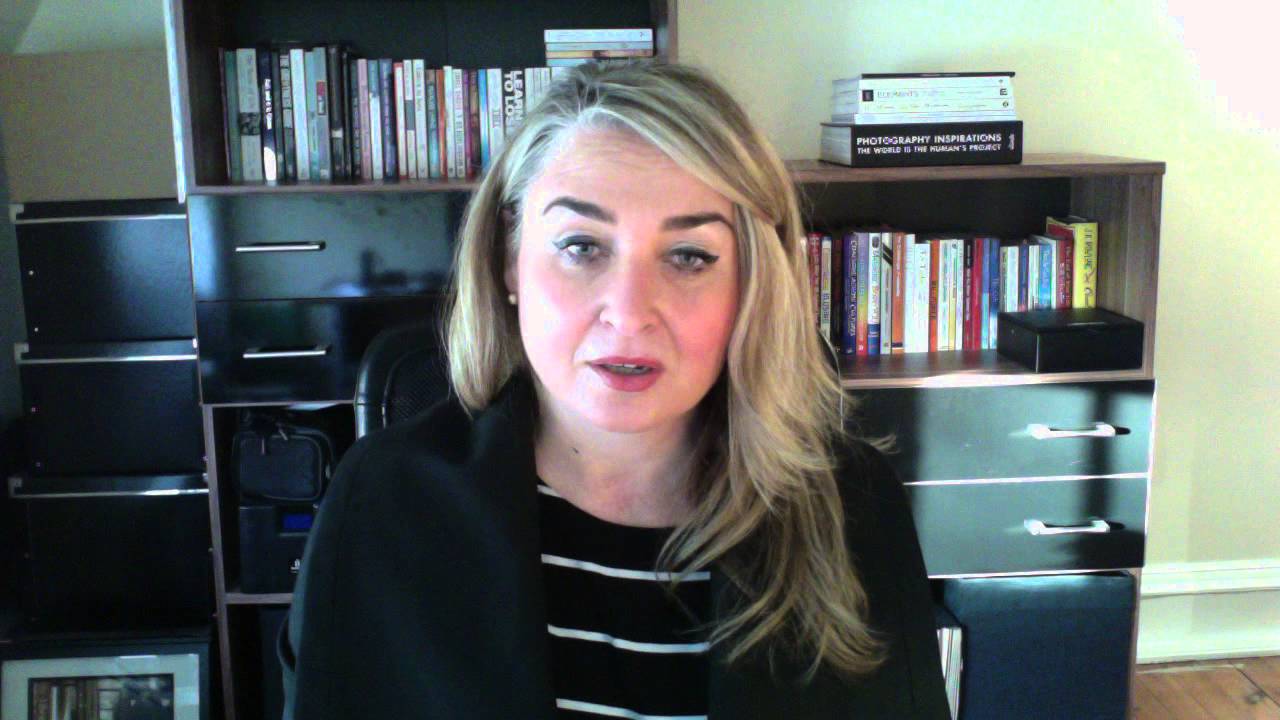
Public curiosity surrounding Gillian Brown Disability has grown steadily in recent years. As viewers watch familiar faces deliver forecasts each morning, they often feel a sense of personal connection. When questions arise about a presenter’s health, those questions rarely come from malice. They come from concern, empathy, and sometimes confusion fueled by online speculation.
We have carefully examined verified information, public statements, and credible sources to present a clear, factual perspective on the discussion around Gillian Brown’s health and whether any confirmed disability exists.
Who Is Gillian Brown?
Gillian Brown is widely recognized as a respected weather presenter associated with the BBC. Her role within BBC Weather has positioned her as a trusted figure for audiences seeking accurate forecasts and reliable climate reporting.
Over the years, her calm delivery and professional presence has made her a familiar face across UK households. Many viewers feels a sense of daily routine tied to her broadcasts. That connection often sparks curiosity about her personal life, including her health.
Public broadcasters in the United Kingdom operate under strict editorial standards. The BBC Editorial Guidelines, available at
https://www.bbc.com/editorialguidelines, outlines clear expectations regarding privacy and personal information. These standards makes it unlikely that unverified claims would be formally addressed without reason.
Is There Any Verified Information About Gillian Brown Disability?
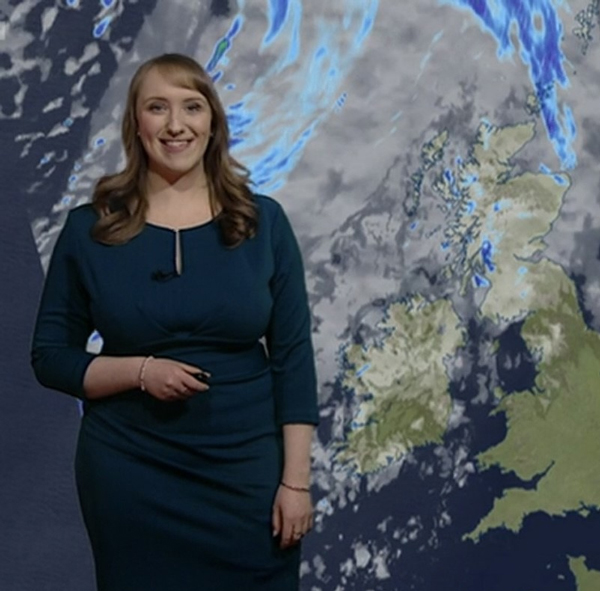
At present, there is no official statement or verified report confirming that Gillian Brown has a disability. No credible news outlet has published evidence supporting claims of a medical condition.
Speculation online sometimes arise from minor observations such as posture, vocal tone, or physical movement on camera. However, these observations are not medical diagnosis. They are assumptions, and assumptions can spread very fast in digital spaces.
Health privacy laws in the UK protects individuals from unwanted disclosure of personal medical details. Information about medical privacy can be reviewed through the UK Information Commissioner’s Office at
https://ico.org.uk/for-the-public
Without confirmation from the presenter herself or from verified media reports, any claims about Gillian Brown Disability remains unsubstantiated.
Why Do Disability Rumors About Public Figures Spread?
Visibility Creates Speculation
Television presenters operate under constant scrutiny. High definition cameras capture every detail. Audiences may notice subtle differences in movement or expression that would go unnoticed in everyday interactions.
Sometimes viewers misinterpret normal physical traits as signs of illness. A slight limp, a hand gesture, or even fatigue after long shifts can be wrongly labeled as evidence of a disability. That interpretation often lacks context.
Social Media Amplification
Online platforms accelerates rumor distribution. A single comment can be reposted, shared, and repeated thousands of times before facts are checked. According to research discussed by the Pew Research Center at
https://www.pewresearch.org/internet/2018/09/10/news-use-across-social-media-platforms-2018/
Digital rumor cycles often outpace traditional journalism. This creates environment where speculation feels like truth even when it is not verified.
Respecting Privacy and Disability Conversations

Disability is a deeply personal matter. Many individuals choose to disclose medical conditions publicly as part of advocacy. Others prefer to keep such matters private. Both choices deserves respect.
The Equality Act 2010 in the UK protects individuals from discrimination based on disability. Detailed guidance can be found on the UK Government website at
https://www.gov.uk/definition-of-disability-under-equality-act-2010
When discussing Gillian Brown Disability, we must recognize that labeling someone without confirmation can be harmful. It can reinforce stereotypes. It can also create unnecessary stress for the person involved.
Viewers sometimes forget that presenters are human beings with families, emotions, and private struggles. Curiosity should never override compassion. It is easy to talk online, but words carries weight.
Has Gillian Brown Addressed Any Health Issues?
There is no publicly documented interview or statement where Gillian Brown has confirmed living with a disability. No official BBC announcement has referenced such matter.
If at any point she chooses to speak openly about her health, that disclosure would deserve thoughtful attention and respectful dialogue. Until then, the responsible position is neutrality based on available evidence.
Many broadcasters who have disclosed medical conditions, such as hearing loss or chronic illness, have done so voluntarily in interviews or awareness campaigns. Those disclosures are usually covered by established media outlets. In this case, that pattern has not occurred.
The Broader Conversation About Media Representation and Disability
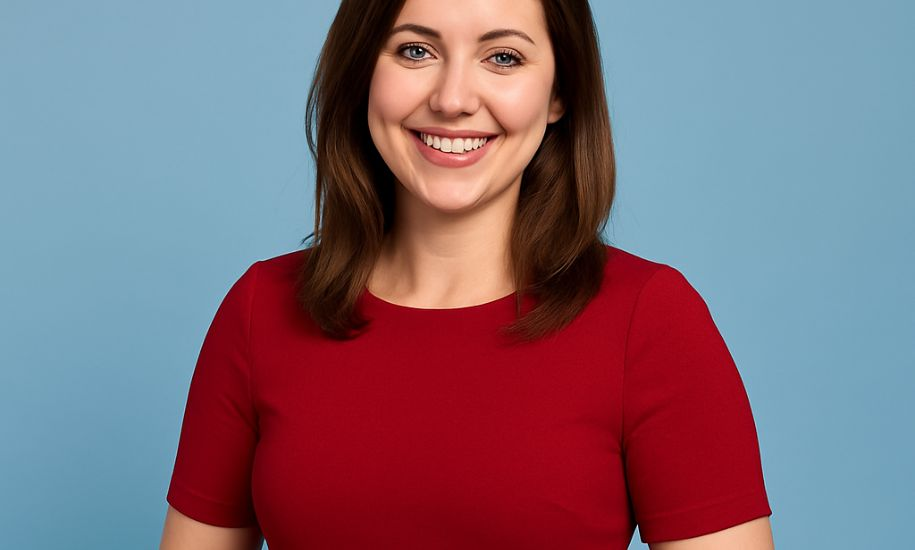
While there is no confirmation regarding Gillian Brown Disability, the public interest in the topic highlights a larger cultural conversation. Representation of people with disabilities in broadcast media remains limited.
Research by organizations such as Scope, a UK disability equality charity at
https://www.scope.org.uk/media/disability-facts-figures/
shows that disabled individuals are underrepresented on screen. When audiences believe a presenter may have a disability, some viewers respond with increased admiration and solidarity. Others may react with intrusive questioning. Both reactions reflects society’s ongoing struggle with disability awareness.
Greater inclusion in media is valuable. But assumptions about someone’s health is not the path toward progress. Authentic representation begins with consent and open dialogue.
Emotional Impact of Public Health Speculation
There is something deeply human about wanting to know the stories behind the faces we see daily. We form attachments. We notice changes. We worry when someone appears different.
Yet, speculation can wound. Imagine having strangers debate your body language or posture across forums and comment sections. That kind of scrutiny can be exhausting, even when intentions are kind.
Journalists and presenters dedicate years to their careers. They wakes up early, studies weather systems, prepares scripts, and maintains professional composure under pressure. Reducing that dedication to rumors about a potential disability overshadows the substance of their work.
Empathy requires restraint. Not every curiosity needs to be satisfied. Not every question demands public answer.
What We Know and What We Do Not Know
What we know:
- Gillian Brown is a respected weather presenter associated with the BBC.
- There is no official confirmation of any disability.
- No credible news outlet has reported verified medical information.
What we do not know:
- Any private medical history.
- Any undisclosed health conditions.
- Any personal decisions regarding public disclosure.
The difference between knowledge and speculation matters greatly. Facts builds trust. Rumors erodes it.
Final Thoughts on Gillian Brown Disability
The phrase Gillian Brown Disability continues to appear in search engines, often fueled by curiosity rather than evidence. After thorough review, we find no substantiated information confirming that she lives with a disability.
Public figures deserves dignity. Medical details belongs to the individual, not to online rumor cycles. If evidence ever emerges through verified statements, responsible reporting would reflect that update accurately.
Until then, the most ethical approach is to focus on professional contributions rather than unconfirmed assumptions. Weather forecasting requires expertise, consistency, and resilience. Those qualities define Gillian Brown’s public presence far more than any speculation ever could.