We approach the story of Alexis Maas with a mix of curiosity and tenderness because her journey touches themes of love, privacy, and legacy. Many readers only know her name through the late Johnny Carson but there is deeper narratives within the quiet spaces of her life. Our aim is to present this complex picture with context, data, and a little heart, while accepting that life seldom fit neatly in bullet points and people has contradictions.
Early Years and Background of Alexis Maas
Alexis Maas was born in Pittsburgh in 1952. Facts about her childhood are fairly limited and this lack of public detail already shaped her later persona. Some biographical fragments hint at a middle class upbringing with values centered around education, polite manners and low drama. These traits would later align with the discreet lifestyle she chose after marrying a major public figure. We often think fame follows anyone near television royalty, yet Alexis showed that privacy can hold strong if one really insists.
During her younger adulthood Maas worked in finance related roles in California. It is believed she held positions in corporate offices where accuracy mattered more than fame. This period made her tough but also humble. A former coworker reportedly described her as smart but shy, a detail that helps us understand why she rarely sought cameras or interviews later. Many public spouses enjoy luxury spotlight, but she behaved oddly opposite, and this make her surprisingly relatable for many of us who value quietness.
Meeting Johnny Carson and Building a Relationship
Alexis Maas met Johnny Carson in the 1980s after his third divorce. Carson was already a legend of late night television and his public life felt massive compared to hers. Their meeting created an unusual pairing between household name and private citizen. Still their bond grew slowly instead of typical celebrity whirlwind. Such pacing suggest trust and gentle affection. We do not have detailed play-by-play of early dates or first conversations and maybe that mystery is part of the charm.
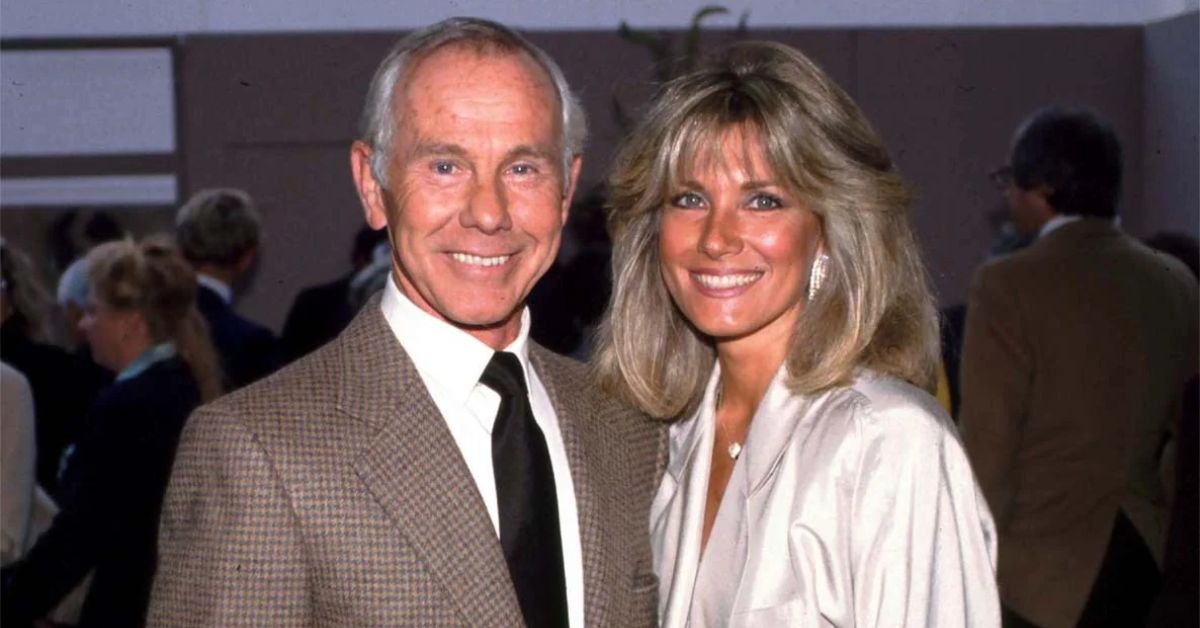
Friends close to Carson reported that Maas provided comfort during a stage when Carson was tired of show business pressures. This emotional support mattered deeply for him. Carson was famous for humor, but friends said he also battled loneliness. With Maas he found stability. The couple married in 1987 in Malibu in an understated ceremony with few guests. This decision reveal how they valued intimacy over spectacle. Some tabloids were mildly frustrated because there were little gossip material to print.
Life as Carson’s Wife and Role in His Final Years
After marriage, Alexis Maas accompanied Carson in his social and professional circles though she kept communication with press to a bare minimum. Hollywood observers noticed she never used the relationship for personal publicity. We find this admirable because media temptation can be intoxicating. Instead she acted as partner, not accessory. She attended events, traveled with Carson on yachting trips and vacation spending quiet hours on the water. People who saw the couple during these escapes recall subtle gestures of warmth. Those memories holds emotional weight because they capture reality behind stiff photographs.
Carson retired from The Tonight Show in 1992. During this transition Maas played steady companion while Carson adjusted to private life. Retirement from such a historic show is not simple. It involve identity shifts, new routines, maybe even anxiety. Maas apparently helped him explore new hobbies and time with friends. Observers noticed Carson looked more peaceful in those years. This calm atmosphere had Maas fingerprints all over it.
Widowhood and the Years After Carson
Johnny Carson passed away in 2005 from emphysema. For Alexis Maas the loss was enormous both personally and structurally. When someone loses a spouse who shaped decades of their life, they face layers of grief. Sources close to the family indicated that Maas handled matters quietly and withdrew even further from public view. She avoided interviews and maintained private residence without pushing memoirs or documentaries. This behavior may feel unusual in entertainment culture where many spouses pursue limelight afterward.
Carson left a considerable estate, and part of it went to charitable foundations focused on education and oceanographic research. The rest was managed through legal channels involving inheritance and taxes. Readers curious about such processes might check resources that explain estate planning for better context. Maas reportedly managed her inheritance with care and respect toward Carson’s wishes. Her approach here reflects loyalty that continued even after his passing.
Rumors periodically surfaced regarding her whereabouts or dating life but none held strong evidence. Gossip publications occasionally printed speculation without credible sourcing. This shows how public sometimes refuses to accept that a person might simply seek privacy. We think there is something touching about such refusal to perform for public even when given huge opportunity.
Cultural Impact of Alexis Maas and Why She Still Interests Readers
Alexis Maas did not host television shows or publish books, yet people remain curious. Part of this is the magnetism of Carson himself because he shaped American late night format and left cultural footprint that scholars still analyze at places like TV history archives. But part of the interest stems from Maas being a counterpoint to celebrity norms. In a culture often obsessed with exposure she represented discretion. This makes her story emotionally resonant for readers who tire of constant publicity.
We also suspect readers find comfort in relationships that feel genuine. Maas and Carson had twenty years together. Couples with age gaps and mismatched public profiles often face rumors about motives. Yet people around them described true care. Such sincerity rarely generate headlines because warmth does not sell newspapers, but it stays in memory of people close to them. We sense that human affection deserves more attention than scandals.
Another angle involves the ongoing fascination with spouses of iconic entertainers. Biographies of Marilyn Monroe, Frank Sinatra or Lucille Ball often mention the partners who supported them behind curtains. If readers search for broader context, they might explore other celebrity biographies to see patterns in how spouses navigate visibility and privacy. While Maas never pursued media career, her role adds nuance to Carson’s legacy and to public perception of celebrity relationships.
Present Status and Life Away from Headlines
Reports suggest that Alexis Maas remains out of public view, avoiding interviews and celebrity events. She likely continues private living with no desire to shape public narratives. We respect that choice because no one owes audience a performance. She became part of television history by proximity, yet she did not let that define her entire identity. There is humility and dignity in such stance.
Some fans occasionally hope she might speak about Carson’s final years or their marriage, but given decades of silence, such expectations feel unrealistic. It would also clash with her consistent behavior. Individuals who build life on privacy rarely pivot to publicity without strong reason. In many ways, this factor makes her presence even more intriguing. The absence of noise sometimes speak louder than interviews filled with rehearsed anecdotes.
We wonder how she reflect upon those intense years. Grief, love, companionship and withdraw from spotlight are heavy elements in any human life. If she spends time reading, traveling, or staying near friends, we imagine these activities bring comfort. Ordinary routines can heal layers of sorrow. Anyone who has lost a spouse might understand that ache. That emotional reality makes Maas story relatable beyond celebrity context.
Final Thoughts on Alexis Maas and Her Legacy
Alexis Maas stands as understated figure connected to powerful chapter in American entertainment history. She shared life with a cultural titan yet did not seek attention. Her reserved personality, combined with affection she gave Carson, produced a narrative where loyalty and privacy take center stage. We see her not as ghost in tabloids but as human being with hopes, grief, courage, and choices. For readers exploring stories of famous personalities, Maas offers rare perspective that sometimes the quietest people carry the deepest roles.