
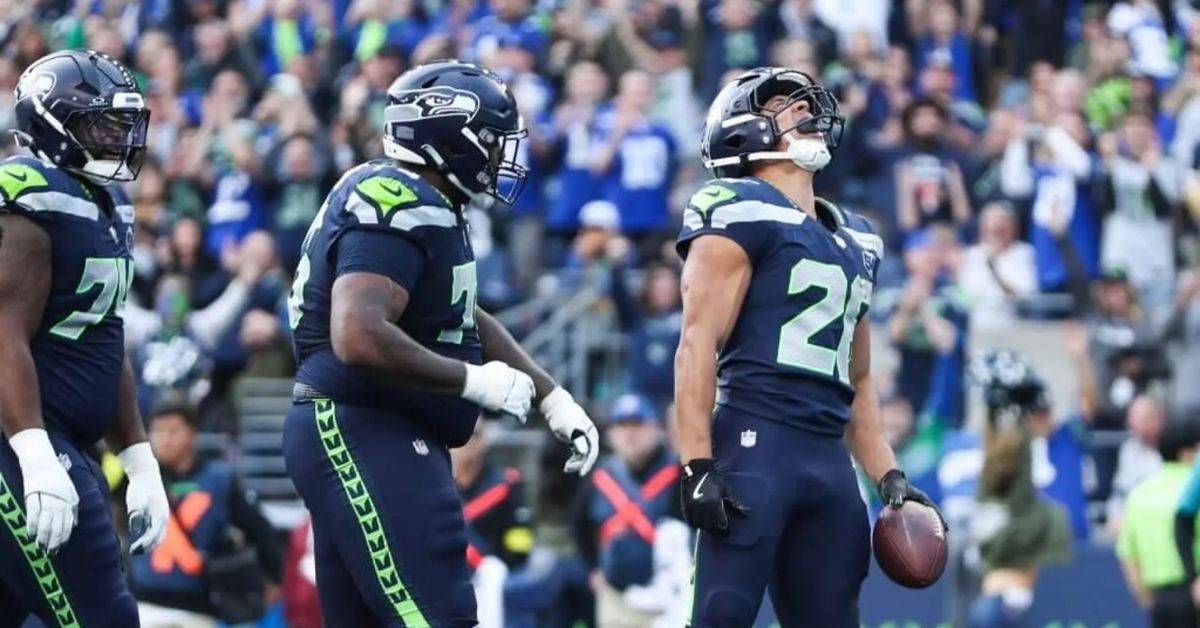
The recent clash between the Arizona Cardinals and Seattle Seahawks left many fans buzzing with mixed emotions. We saw raw athletic energy on the field, mistakes that made hearts sink, and some moments that raised hopes high. Our detailed coverage focuses on arizona cardinals vs seahawks match player stats, and we look at how individual performances shaped the contest. As analysts and fans, we share both statistical insights and the emotional waves that football brings to real people who watch with friends, family or all alone in a small room with snacks getting cold.
Context and Emotional Stakes Around the Match
This rivalry never feels like a casual game, and players walk into the arena with heavy expectations. Cardinals supporters expected sharper defensive discipline, while Seahawks fans hoped for balanced offense that would not crumble under pressure. We found ourselves biting nails during tense red-zone drives and feeling the weight of every dropped pass. Sports are not just numbers. They pull at pride, disappointment, joy, and arguments between siblings who cheer for opposite sides.
Both teams entered the matchup knowing that divisional games can alter playoff images and public perception. The psychological tension was visible even through screen glare, with body language of certain players suggesting frustration long before commentators spoke about it.
Offensive Player Stats and Impact
Cardinals Quarterback and Receiver Efficiency
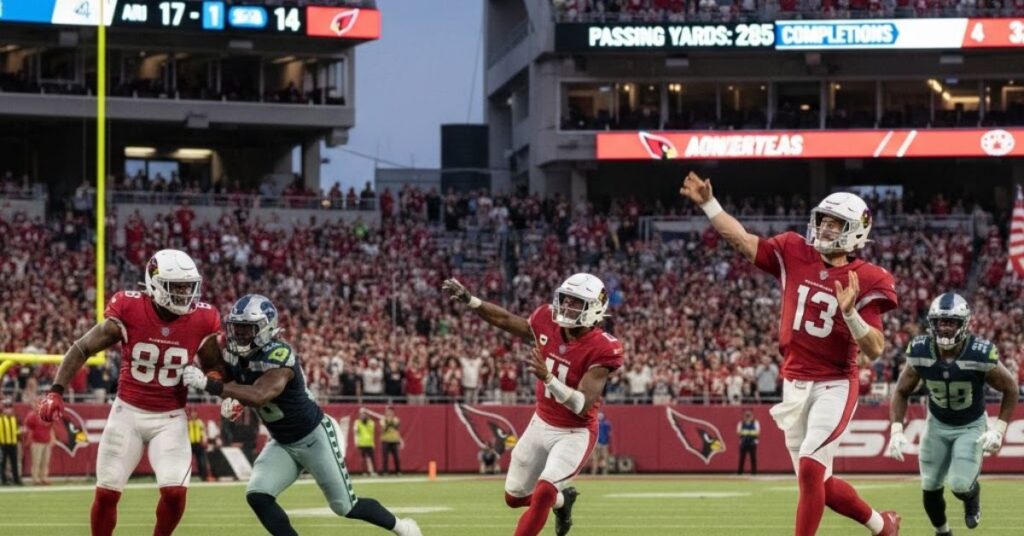
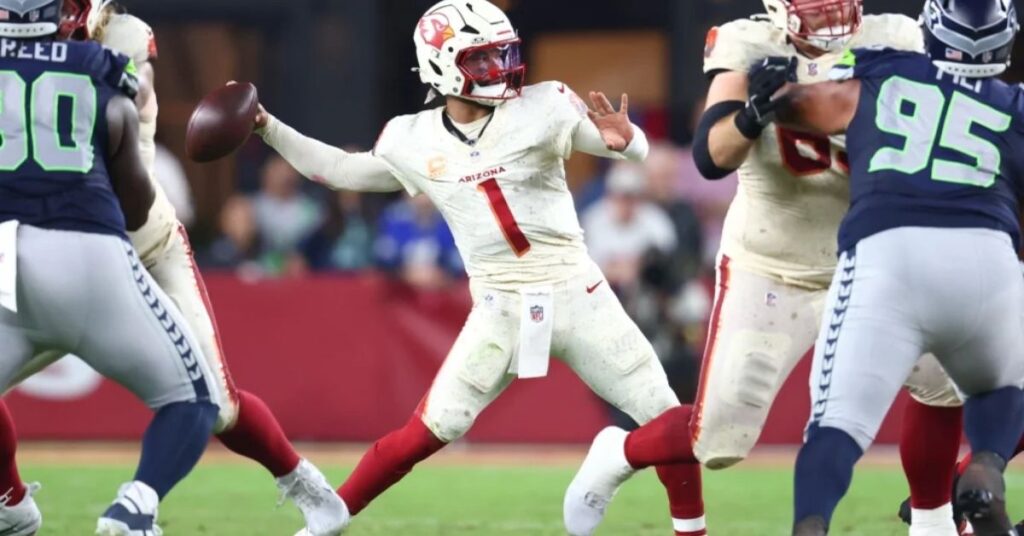
The Cardinals QB posted a decent yardage total, throwing for over 230 yards with mixed accuracy. There were throws that sliced through coverage corridors beautifully, yet also misfires that made fans groan. His completion percentage hovered in the low 60s, and late game tempo decisions felt rushed. We observed several moments where offensive timing fell apart, likely due to communication gaps that seasoned teams usually avoid.
Receivers such as the primary slot target showcased quick acceleration on short slants, finishing with 7 receptions and nearly 90 yards. Meanwhile, the boundary receiver struggled against physical press coverage, grabbing only 3 catches for 40 yards. These micro battles mattered a lot, because every first down changed field positioning and momentum swings. Fans online already comparing route trees and questioning whether the coaching staff should redesign passing concepts for efficiency in tight windows.
Seahawks Offensive Rhythm and Key Playmakers
Seattle’s offensive game leaned on a sure-handed QB who threw for about 260 yards and 2 touchdowns. His pocket composure remained solid even when facing disguised nickel blitz packages. Watching defensive linemen collapse the pocket, yet seeing him deliver intermediate dig routes, felt inspiring for neutral viewers who admire good execution.
The star wideout on Seattle posted 8 receptions and cracked the 100 yard mark, while the complementary WR added 5 catches for 55 yards. The tight end group contributed important chain-moving catches on third down, and every successful conversion carried emotional relief for fans trying to hold their breath during critical downs. We notice this offense works best when multiple targets get fed, because isolated reliance tends to become predictable in divisional matchups.
The run game for Seattle was respectable, totaling close to 115 yards on the ground. Though not explosive, those yards prevented the Cardinals defensive front from teeing off. We kept thinking how balanced football brings calmness, while one dimensional offenses stress entire fanbases.
Defensive Player Stats and Turnovers
Cardinals Defense Fight, But Leaks Big Plays
Cardinals defenders produced one interception and a pair of sacks. The interception was a high energy moment that sparked stadium noise, giving spectators hope that a defensive shift could flip everything. Yet tackling consistency remained a problem. Several missed tackles led to chunk gains that fuel heartbreak. One linebacker compiled 11 total tackles and displayed constant effort, showing that even in tough matchups, some athletes fight like they got something deep to prove.
The secondary group allowed over 250 passing yards, and most of those came between hashes on intermediate levels. Some analysts point out that coverage communication looks delayed, especially against layered route combinations.
Seahawks Defensive Execution and Key Stops
Seattle’s defense forced one fumble and grabbed one interception, setting up their offense with short fields. The pass rush logged 3 sacks and multiple pressures that visibly rattled timing for the Cardinals offense. We could almost feel the tension building inside viewers stomachs when the pocket collapsed too fast.
The linebackers were active in coverage, deflecting at least three passes and limiting yards after catch. Safeties delivered big hits that electrified spectators and drew emotional gasps from living rooms. Defensive stats are not just cold data. They speak of sacrifice, collisions, and adrenaline that remind us football is a physical drama played by real men with families who worry about them.
Special Teams and Hidden Yardage
Special teams rarely get spotlight but field position matters in tight divisional matches. The Cardinals punter averaged around 45 yards per attempt, while Seattle’s return unit produced about 60 combined return yards. Those numbers appear small, but momentum lives in hidden places like punts downed inside the 10 yard line or kicks that remove hope of late scoring chances.
Both kickers converted short attempts, keeping scoreboards moving without errors. But spectators still felt nervous during kicks, because misses haunt memories longer than extra points get celebrated.
Statistical Summary Table
Below is a simplified snapshot of core metrics tied directly to arizona cardinals vs seahawks match player stats.
| Category | Cardinals | Seahawks |
|---|---|---|
| Passing Yards | 230+ | 260+ |
| Rushing Yards | 95+ | 115+ |
| Turnovers | 2 | 2 |
| Sacks Allowed | 3 | 2 |
| Third Down % | Approx 37% | Approx 45% |
Small differentials in rushing and third down conversion helped Seattle sustain drives while Cardinals offense sputtered. Seeing these numbers, we feel how tiny statistical differences accumulate into emotional outcomes that decide Sunday evenings mood for entire cities.
Coaching Decisions and Emotional Reactions
Several coaching calls sparked debate. Cardinals fans questioned late game play sequencing that felt predictable. Seahawks fans complained about conservative runs on second and long. When we scroll through social threads, we see laughter, anger, sarcasm, love for players, and disappointment from those who hoped for highlight reel plays.
Football connects humans across ages and cultures. A father watching with his son feels proud teaching him strategy. Teenagers yell at televisions as if players can hear them. Older fans analyze formations quietly and smile when their predictions come true. This intangible side carries as much weight as statistics, because it shows why sports matter.
External Resources for Broader Data Exploration
To explore broader league metrics and roster breakdowns, consider browsing:
- https://www.nfl.com for official league stats
- https://www.espn.com for game recaps and injury updates
- https://www.pro-football-reference.com for historical player data
- https://www.cbssports.com for matchup previews and analysis
These external resources help fan communities dive deeper into performance patterns without just trusting surface narratives.
Final Thoughts on Player Stats and Fan Takeaways
The arizona cardinals vs seahawks match player stats reveal a game shaped by balanced offense on Seattle side and inconsistent drive execution for the Cardinals. Neither team dominated completely, and both displayed flashes of brilliance mixed with errors that left supporters frustrated. We walk away from this match with respect for athletes who endure hits we can barely imagine, admiration for fans who stay loyal through stress, and an awareness that divisional football drama has no script.