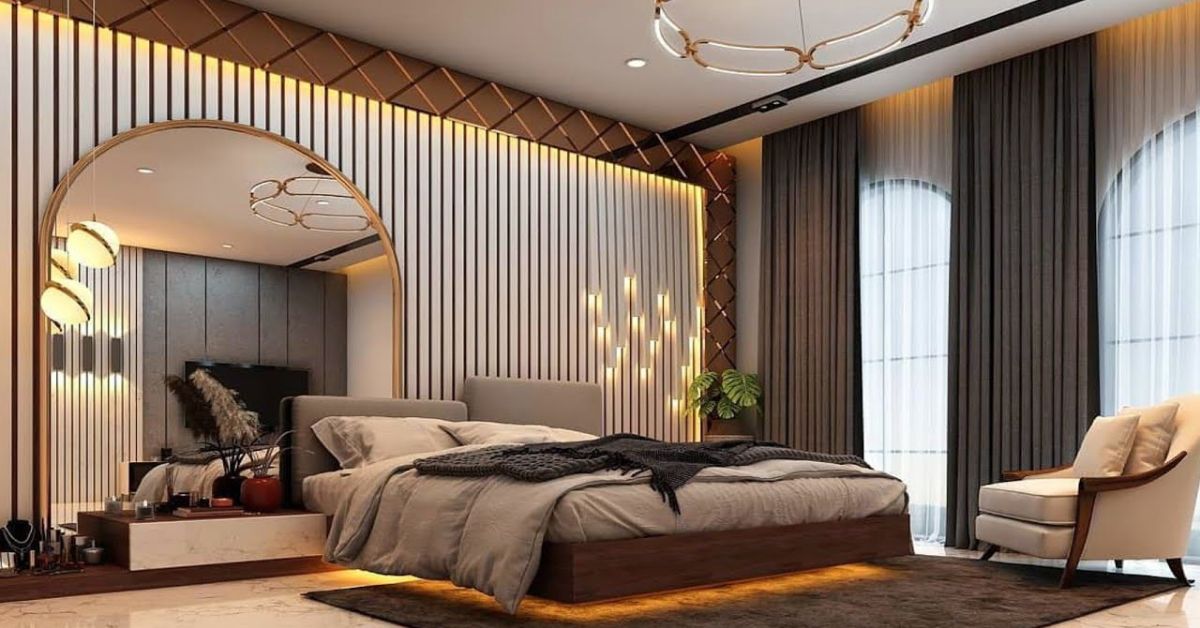
Interior design holds a quiet power over daily life, shaping moods, routines, and memories without asking for attention. At Mintpaldecor, we see design as a thoughtful practice rooted in human behavior, cultural respect, and practical beauty. This article explains Why Interior Design Is Interesting Mintpaldecor, not as trend chasing, but as a discipline that touches emotion, function, and identity in ways many people feel but rarely articulate.
The Human Connection Behind Interior Design Choices
Spaces influence how people feel, think, and interact. We observe how a kitchen becomes a meeting point for family talks, or how a bedroom quietly supports rest after exhausting days. Interior design is interesting because it is deeply personal, yet widely shared. Every choice carries intention, even when users dont notice it at first.
Design decisions often reflect background and belief. Color preferences differ across regions, lighting expectations shift by climate, and furniture layouts respond to lifestyle. We see interiors as silent storytellers, speaking about who lives there and what matters to them. That is why interior design never feels finished, it evolves as life changes, sometimes faster than expected.
Research into spatial psychology shows how environments affect stress levels and focus. Studies shared by Psychology Today show clear links between surroundings and emotional health, reinforcing why thoughtful interiors carry lasting impact.
Why Interior Design Is Interesting Mintpaldecor From a Creative Lens
Creativity in interior design does not mean excess decoration. It means restraint, balance, and knowing when to stop. At Mintpaldecor, we value creative thinking grounded in logic. A room must work before it looks appealing. When creativity ignores function, frustration grows, users feel it everyday.
Interior design draws from art, architecture, sociology, and even anthropology. Designers borrow proportions from classical buildings, textures from nature, and patterns from history. This mix keeps the field alive. No two projects ever feel same, even when budgets or layouts repeat.
Designers also solve invisible problems. Poor acoustics, awkward circulation, and lack of storage often get fixed quietly. Clients may never know why their home feels calmer, yet that calm was carefully planned. This hidden problem solving is why many professionals stay deeply committed to the craft, even when deadlines press hard.
Cultural Memory and Identity Inside Spaces
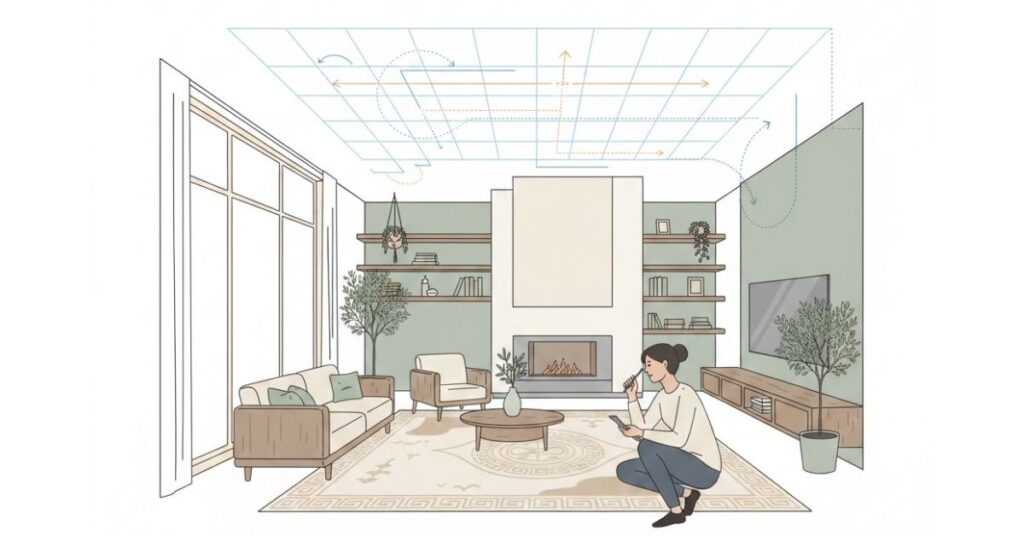
Interior design preserves cultural memory. Materials, motifs, and layouts often echo traditions passed down through generations. We notice this in homes that prioritize floor seating, prayer spaces, or communal dining. These choices are not trends, they are reflections of heritage.
Museums and archives recognize interiors as cultural records. The Smithsonian Institution documents design history because rooms reveal how societies lived, worked, and valued beauty. Mintpaldecor respects this role, ensuring modern design does not erase cultural signals.
When people feel represented in their spaces, comfort grows naturally. A space that ignores identity feels cold, no matter how polished it looks. That emotional disconnect is one reason poorly planned interiors fail, even when expensive materials are used.
Practical Function Meets Daily Comfort
Interior design becomes interesting when it solves real problems. Storage that reduce clutter, lighting that reduce eye strain, layouts that support movement for all ages. These details matter more than surface beauty. We design with the awareness that people live real lives, with mess, noise, and constant change.
Functional planning supports health and safety. Air quality, material toxicity, and natural light all affect wellbeing. Resources from the Environmental Protection Agency highlight how indoor environments influence respiratory health, reinforcing the responsibility designers carry.
Mintpaldecor places importance on durability. Furniture that wears badly or finishes that chip quickly create stress. Good design lasts, not because it looks fashionable, but because it continues working year after year.
Why Interior Design Is Interesting Mintpaldecor In Modern Living
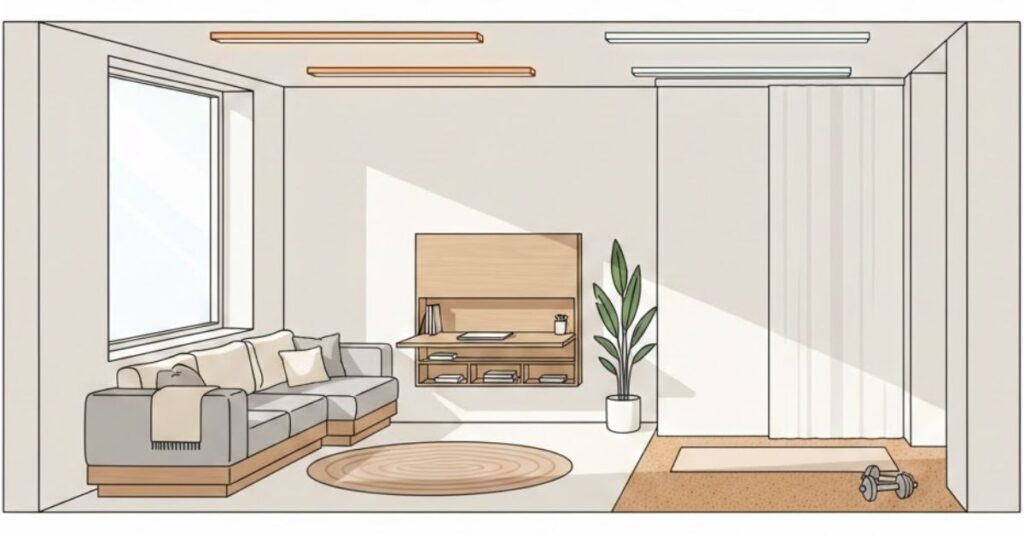
Modern life compresses work, rest, and leisure into fewer spaces. Homes now serve as offices, gyms, and sanctuaries. This shift makes interior design more complex and more interesting than before. A single room may need to support multiple moods, sometimes within same hour.
We approach this complexity with layered planning. Flexible furniture, adjustable lighting, and thoughtful zoning allow spaces to shift purpose without chaos. The challenge is subtle, making transitions feel natural, not forced.
Platforms like Architectural Digest showcase high profile projects, yet the same principles apply to modest homes. Scale changes, but thinking stays same. Good design does not depend on luxury budgets, it depends on clarity and care.
Emotional Depth and Everyday Experience
People often describe interiors using emotional words. Cozy, calm, heavy, open. These reactions are immediate and honest. Interior design is interesting because it communicates directly with feeling, bypassing logic. A room can feel right before anyone explains why.
We see clients relax when spaces finally reflect their needs. That moment carries weight. Design then becomes less about objects and more about relief. Relief from noise, clutter, confusion. This emotional payoff keeps our work meaningful, even when projects become demanding.
Interior design also teaches patience. Rushed decisions lead to regret. Materials need time, planning need reflection. This slower pace contrasts sharply with digital life, offering a grounded experience many people miss, even if they cant explain it clearly.
Why Interior Design Is Interesting Mintpaldecor As a Long Term Investment
Design impacts property value, but more importantly, it affects daily satisfaction. A well planned interior reduces maintenance costs, supports energy efficiency, and adapts to changing needs. These benefits accumulate quietly over time.
We encourage clients to think beyond visual appeal. Layout flexibility, material sourcing, and future usability matter deeply. Design that only looks good at installation quickly disappoints, leaving users tired of their own space.
Resources such as Houzz show how homeowners increasingly prioritize livability over display. This shift aligns with Mintpaldecor philosophy, where comfort and purpose guide every decision.
Closing Perspective on Interior Design Value
Interior design remains interesting because it stays close to life itself. It responds to change, reflects identity, and supports wellbeing without demanding attention. At Mintpaldecor, we see each project as shared responsibility, balancing creativity with care.
Design is never neutral. It either supports people or distract them. When done with thought, interiors quietly improve daily experience, creating spaces people trust and return to with ease. That quiet success is what keeps interior design endlessly compelling.