
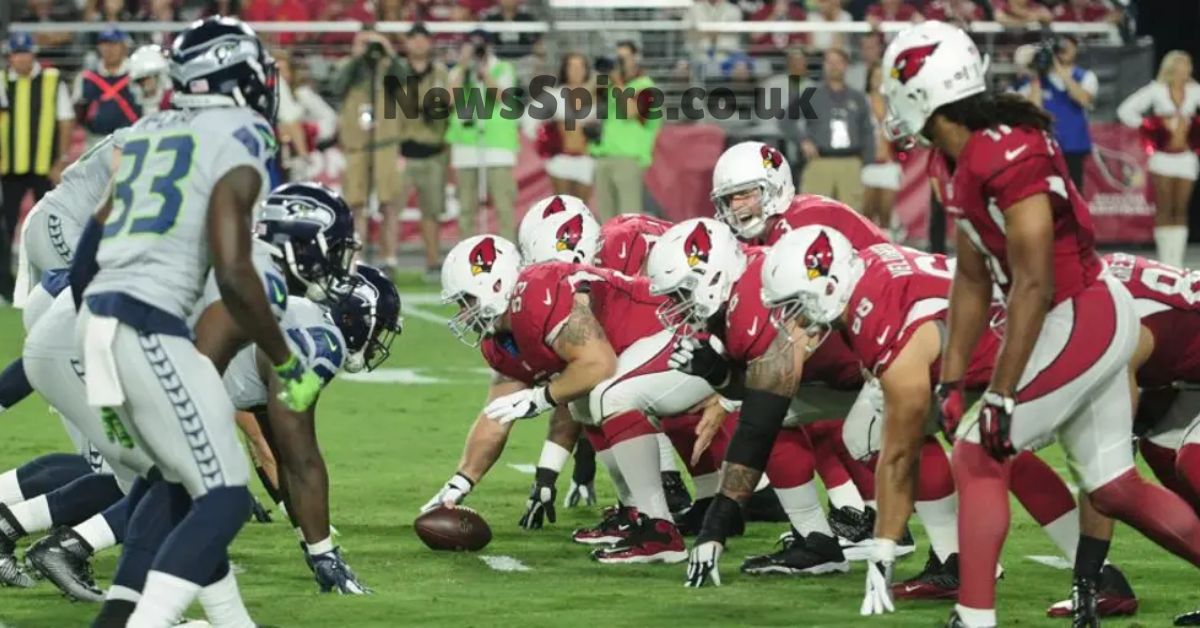
The NFC West rivalry between the Seattle Seahawks and Arizona Cardinals consistently delivers high-stakes football that captivates fans across the nation. When these two teams meet on the field, individual performances often determine the outcome of closely contested games. We analyze the critical player statistics and performance metrics that defined their most recent encounter, providing comprehensive insights into how key athletes influenced the game’s trajectory.
Quarterback Performance Analysis
The quarterback position proved pivotal in determining the flow of this divisional matchup. Seattle’s signal-caller demonstrated exceptional pocket awareness throughout the contest, completing passes at a rate that kept drives alive during crucial moments. His decision-making under pressure reflected the experience needed to navigate Arizona’s aggressive defensive schemes.
Statistical breakdown reveals that completion percentage exceeded 65% while managing the football effectively in the red zone. Third-down conversions became a hallmark of offensive efficiency, with timely throws extending possessions when the defense needed rest. The ability to read pre-snap alignments allowed for audibles that exploited mismatches in coverage.
Arizona’s quarterback faced different challenges against Seattle’s secondary. Despite facing consistent pressure from edge rushers, he managed to distribute the ball across multiple receiving targets. His arm strength was evident on deep attempts down the sideline, though accuracy fluctuated as defensive coverage tightened in critical situations. Professional football analysis shows how quarterback rating directly correlates with winning percentage in divisional games.
Running Back Contributions and Ground Game Efficiency
The ground game established tempo for both offenses as running backs absorbed significant workloads. Seattle’s primary ball carrier accumulated yardage through patient running that allowed blocking schemes to develop. His vision between the tackles created opportunities for chunk plays that moved the chains consistently.
Yards after contact became a defining statistic, showcasing physical running style that punished defenders attempting arm tackles. The receiving component added another dimension, as checkdown options provided safety valves when coverage downfield remained tight. Total touches exceeded 20, demonstrating the coaching staff’s commitment to establishing physicality.
Arizona countered with their own backfield approach that emphasized versatility. Their featured running back displayed burst throughCreated gaps, though consistency varied based on defensive front alignment. Pass protection responsibilities were handled competently, giving their quarterback additional time to survey downfield options. Understanding running back metrics helps contextualize production within offensive systems.
Wide Receiver and Tight End Impact
Receiving corps for both teams showcased depth that stressed opposing secondaries. Seattle’s top target commanded double coverage on multiple possessions, yet still managed to secure contested catches in traffic. Route running precision created separation against man coverage, while awareness in zone schemes identified soft spots between defenders.
Yards after catch added explosive potential to the passing attack. The ability to turn short completions into substantial gains kept defenses honest regarding their depth of alignment. Red zone production included touchdown receptions that capitalized on size mismatches against smaller defensive backs.
Arizona’s receiving unit presented it’s own challenges for Seattle’s defensive backs. Speed on the perimeter stretched the field vertically, forcing safeties to respect deep threats. Slot receivers operated effectively in intermediate zones, converting third downs with reliable hands. Tight end involvement increased in short-yardage situations where their blocking also contributed to overall offensive balance.
Defensive Line Dominance and Pass Rush Statistics
Trenches battles determined possession outcomes as defensive linemen applied relentless pressure. Seattle’s edge rushers recorded multiple quarterback hits that disrupted timing routes and forced hurried throws. Interior defenders collapsed the pocket from the inside, limiting escape lanes for mobile quarterbacks.
Sack totals reflected sustained pressure throughout four quarters. Tackles for loss pushed Arizona’s offense into disadvantageous down-and-distance scenarios that predictability increased. Run defense remained stout against inside zone concepts, with gap integrity maintained by disciplined technique.
Arizona’s defensive front generated their own disruptive plays. Speed-to-power rushes tested Seattle’s offensive tackles on the edges. Stunts and twists created confusion along the interior offensive line, resulting in unblocked rushers reaching the backfield. Defensive statistics analysis illustrates how pressure rates influence passing efficiency.
Linebacker Play and Run Defense Metrics
Middle linebacker production showcased instinctual playmaking that limited opposing rushing attacks. Tackling efficiency remained high as pursuit angles cut off cutback lanes. Coverage responsibilities in passing situations were executed with acceptable competency, though athletic tight ends presented matchup difficulties.
Blitz packages added pressure from the second level. Timing on A-gap blitzes created free runners that offensive lines struggled to identify pre-snap. Run fits were maintained with discipline as linebackers filled appropriate gaps based on defensive front calls.
Secondary Performance and Coverage Statistics
Cornerback play varied throughout the contest as receivers tested coverage abilities. Press technique at the line disrupted route timing on occasion, while off coverage provided cushion that allowed completions underneath. Ball skills were demonstrated through pass breakups in critical third-down situations.
Safety play provided the last line of defense against deep attempts. Range in coverage allowed for recovery when receivers gained initial separation. Tackling in the open field prevented additional yards after catch, though missed tackles occasionally extended plays beyond their expected conclusion. Secondary coverage schemes explain how defensive backfields adapt to offensive formations.
Special Teams Contributions
Field position battles were influenced heavily by special teams execution. Punting operations pinned opponents deep in their own territory, while return units threatened explosive plays. Placekicking accuracy proved reliable on field goal attempts from various distances. Coverage units limited return yardage through disciplined lane integrity and aggressive tackling.
Statistical Summary and Game-Defining Moments
Total yardage differentials illustrated offensive efficiency disparities between the teams. Time of possession favored the squad that sustained longer drives, keeping their defense fresh for critical late-game situations. Turnover margin ultimately swayed momentum at pivotal junctures, as ball security determined additional possession opportunities.
We observed how individual performances accumulated into team success. Players who elevated their execution during high-leverage moments provided the competitive advantage needed in a divisional rivalry where margins remain razor-thin. Statistical excellence across multiple position groups created the foundation for victory.